
Separation anxiety in dogs is a common and distressing condition that affects both pets and their owners. Fortunately, with the right approach, Dog Crate Training For Separation Anxiety can be a highly effective solution. This method not only helps to alleviate your dog’s distress when left alone but also provides them with a safe, den-like space that can become their sanctuary. This comprehensive guide will walk you through the essential steps, tips, and considerations for successfully implementing crate training to combat separation anxiety.
Understanding Separation Anxiety in Dogs
Before diving into crate training, it’s crucial to understand what separation anxiety is and how it manifests. Dogs experiencing this condition often exhibit behaviors such as excessive barking, howling, destructive chewing, pacing, house soiling, and attempts to escape when left alone, even for short periods. These behaviors stem from a genuine fear and panic associated with being separated from their primary attachment figure. It’s important to distinguish separation anxiety from boredom or lack of training, though these can sometimes co-occur. The core issue is a deep-seated distress, not a lack of discipline.
The Role of Crate Training in Alleviating Anxiety
A crate, when introduced correctly, can serve as a safe haven for your dog. It mimics a natural den, a place where dogs instinctively feel secure. For dogs with separation anxiety, the crate can provide a predictable and confined space that reduces their overall feeling of vulnerability. The goal of dog crate training for separation anxiety is not to confine your dog indefinitely but to teach them that the crate is a positive, secure space they can retreat to when feeling overwhelmed, especially when you’re not around. This process requires patience and a gradual introduction to ensure the crate becomes associated with comfort, not confinement or punishment.
Benefits of Crate Training for Separation Anxiety
- Provides a Safe Space: The crate offers a secure den for your dog, reducing their exposure to anxiety-provoking stimuli.
- Helps Prevent Destructive Behaviors: By confining destructive urges to the crate, you can protect your home and prevent your dog from hurting themselves.
- Aids in House Training: Dogs are naturally reluctant to soil their sleeping area, making crates invaluable for house training.
- Manages Escapism: For dogs who try to escape when left alone, a properly sized and introduced crate can prevent dangerous attempts.
- Builds Independence: When done correctly, crate training encourages a dog to self-soothe and feel comfortable alone, which is foundational to overcoming separation anxiety.
Step-by-Step Guide to Dog Crate Training for Separation Anxiety
The key to success with dog crate training for separation anxiety is a slow, positive, and gradual approach. Rushing the process can backfire and exacerbate your dog’s anxiety.
Step 1: Choosing the Right Crate
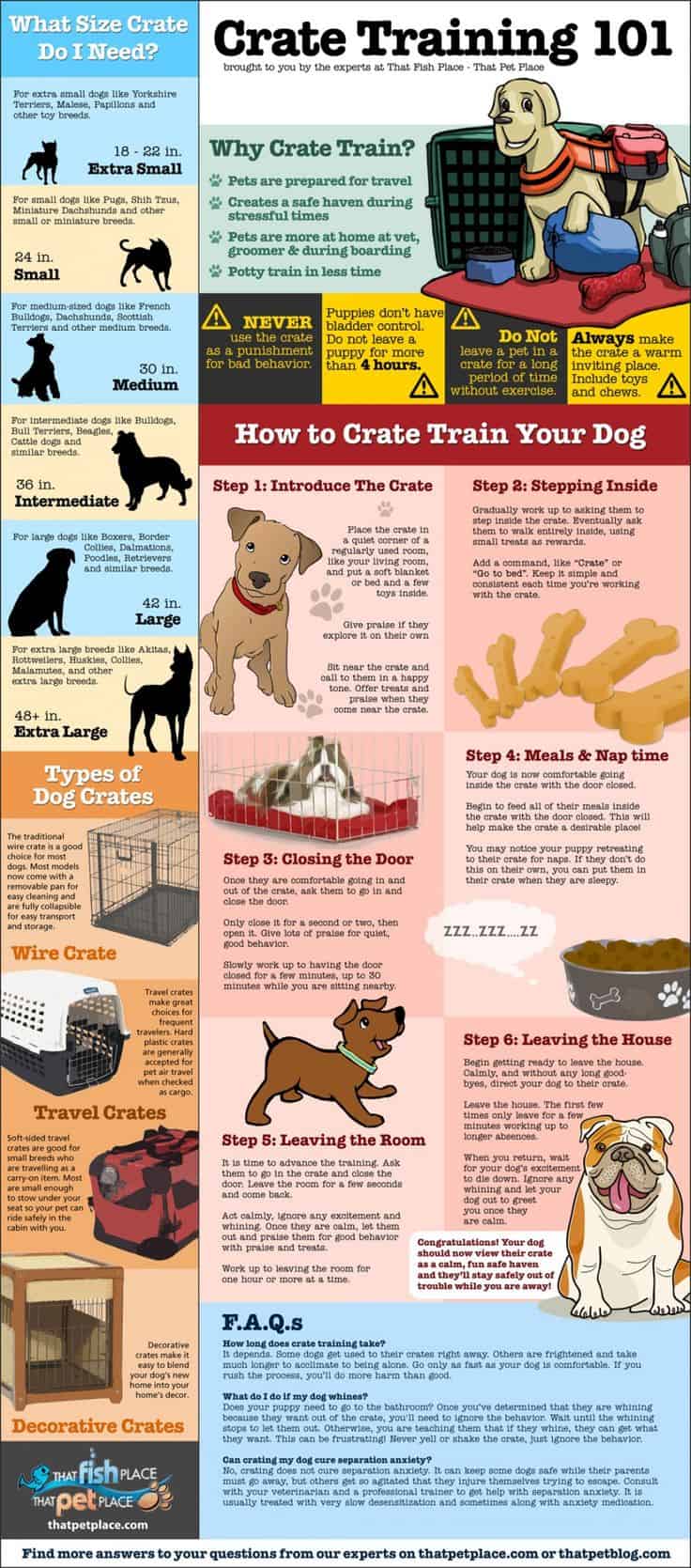
- Size Matters: The crate should be large enough for your dog to stand up, turn around, and lie down comfortably. However, it shouldn’t be so large that they can use one end as a bathroom and sleep in the other. Many crates come with dividers to adjust the size as your dog grows.
- Type of Crate: Wire crates offer good ventilation and visibility, while plastic or molded crates can feel more den-like. Some dogs may prefer one over the other. Ensure the crate has no sharp edges or hazards.
Step 2: Making the Crate Inviting
- Positive Association: Never use the crate as punishment. It should always be associated with positive experiences.
- Comfort: Place a soft, comfortable bed or blanket inside. Some dogs like a familiar-smelling piece of your clothing.
- Toys and Treats: Scatter a few high-value treats or a safe, long-lasting chew toy inside the crate. This encourages exploration and positive association.
Step 3: Introducing the Crate Gradually
- Open Door Policy: Leave the crate door open and allow your dog to explore it at their own pace. Don’t force them inside.
- Feeding Time: Start feeding your dog their meals near or inside the crate. Gradually move the food bowl further inside until they are comfortable eating completely within the crate.
- Short Stays: Once your dog is comfortable entering the crate, start by closing the door for very short periods (a few seconds to a minute) while you are still present. Reward them with praise and a treat immediately when you open the door.
- Gradually Increase Time: Slowly increase the duration of these short stays, always ending on a positive note before your dog becomes anxious.
Step 4: Building Up to Longer Departures
- Practice Departures: Once your dog is comfortable with you closing the door for several minutes while you are home, begin practicing short departures. Start by leaving the house for just a minute or two. Return before your dog shows signs of distress.
- Return Calmly: When you return, greet your dog calmly. Avoid overly enthusiastic greetings, which can heighten their excitement and anxiety. Wait until they have settled down before giving them attention.
- Increase Duration Slowly: Gradually increase the time you are away. This process can take weeks or even months. Go at your dog’s pace. If they show signs of anxiety (whining, barking, destructive behavior), you’ve progressed too quickly and need to step back to a shorter duration.
Step 5: Managing Anxiety When You’re Away
- Desensitization to Departure Cues: Dogs often associate your pre-departure actions (picking up keys, putting on shoes, grabbing a bag) with your absence, triggering anxiety. Practice these actions randomly throughout the day without actually leaving.
- Enrichment: Provide puzzle toys or stuffed Kongs (filled with dog-safe treats and frozen) inside the crate to keep your dog occupied and mentally stimulated. This provides a positive focus.
- Calming Aids: Consider using dog-appeasing pheromone diffusers or sprays, calming treats, or a ThunderShirt. Consult your veterinarian about these options.
- Background Noise: Leaving a radio or TV on at a low volume can provide a sense of company and mask outside noises that might trigger anxiety.
Addressing Common Challenges in Dog Crate Training for Separation Anxiety
- Barking/Howling in Crate: This is a sign of distress. Ensure the crate is comfortable and positively associated. Never punish barking. Instead, try to desensitize your dog to being alone for shorter periods. If barking is excessive, consider consulting a professional trainer or behaviorist.
- Destructive Behavior in Crate: This can occur if the dog is panicking and trying to escape. Ensure the crate is safe and the dog isn’t left for too long too soon. Remove any items that could be dangerous if chewed. For extreme cases, consult a professional.
- House Soiling in Crate: This usually means the crate is too large, or the dog is being left for too long and can’t hold it. Ensure the crate is appropriately sized and gradually increase time alone. Clean soiled crates thoroughly with an enzymatic cleaner to eliminate odors.
- Dog Refuses to Enter Crate: Revisit the positive association steps. Use high-value treats and praise generously. Make it a game. Never force the dog inside.
When to Seek Professional Help
If your dog’s separation anxiety is severe, or if you’re struggling to make progress with crate training, it’s essential to seek professional guidance. A certified professional dog trainer (CPDT-KA or CPDT-KSA) or a veterinary behaviorist can provide a tailored plan for your dog’s specific needs. They can help assess the severity of the anxiety and implement more advanced desensitization and counter-conditioning techniques. Remember, consistent and patient training is key.
Professional Support Resources:
- Veterinary Behaviorist: For diagnosis and potentially medication, alongside behavioral modification.
- Certified Professional Dog Trainer (CPDT-KA/KSA): Specializing in behavior modification and positive reinforcement.
- Online Resources: Many reputable organizations offer advice and support for separation anxiety.
Conclusion: Building Trust and Independence
Dog crate training for separation anxiety is a journey that requires immense patience, consistency, and a deep understanding of your dog’s emotional state. By creating a positive and secure environment within the crate and gradually accustoming your dog to being alone, you can help them overcome their fear and build confidence. The ultimate goal is to foster a sense of independence and security, ensuring your dog can thrive whether you’re home or away. Remember that every dog is an individual, and progress may vary. Celebrate small victories and remain committed to the process. Through careful training and unwavering support, you can transform your dog’s experience of being alone from one of panic to one of peace.
