
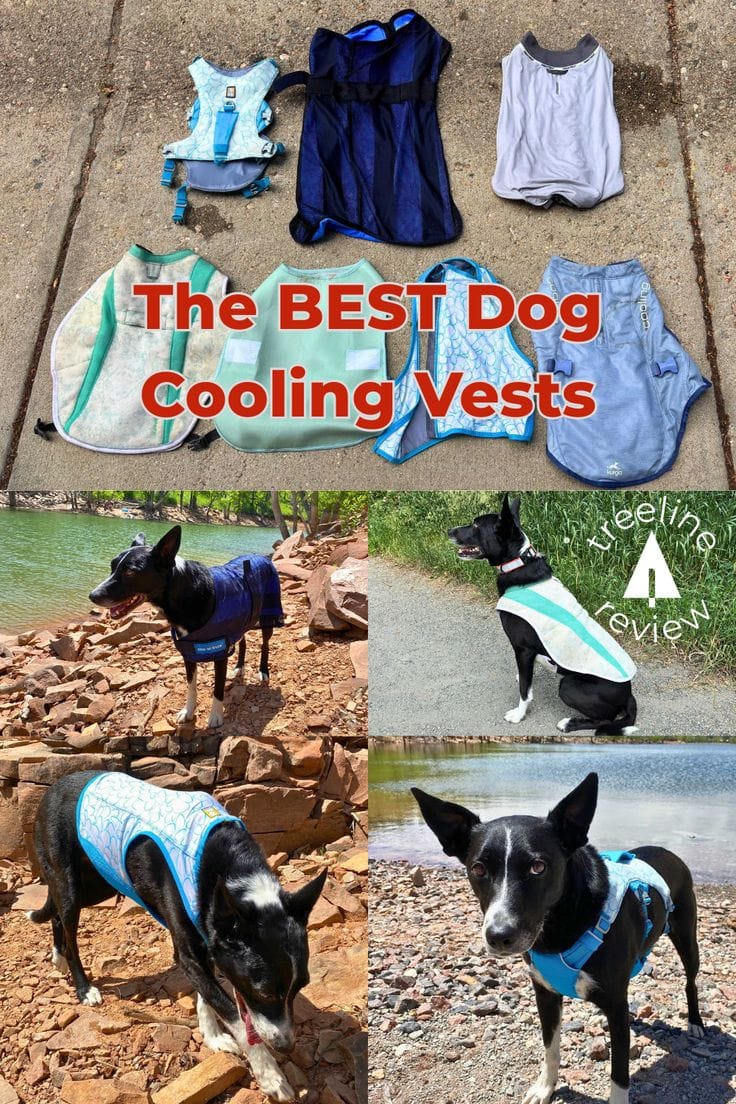
Welcoming a new dog into your home is an exciting time, and ensuring their comfort, especially during warmer months, is paramount for their health and happiness. For many dog owners, particularly those with breeds prone to overheating or living in hot climates, a cooling vest can be an invaluable tool. But with a variety of options on the market, how do you choose the best one? This article details our rigorous testing process to help you find the most effective cooling vest for your canine companion. We evaluated each vest through a combination of real-world scenarios and controlled lab-style tests to assess their cooling capabilities, ease of use, and durability.
Our Testing Methodology
To provide a comprehensive assessment, each cooling vest was subjected to a variety of conditions, mimicking the diverse environments where your dog might need extra cooling. These included multiple hikes, neighborhood walks, and extended periods in direct sunlight, such as during paddle boarding or kayaking. Our testing environment ranged from mild 70-degree days with partial cloud cover to intense 90-degree-plus sunny conditions. To ensure the accuracy and comparability of our results, all vests were tested on the same days and under identical weather conditions.
It’s important to note that humidity plays a significant role in the effectiveness of evaporative cooling. Our testing took place in conditions with 5%-30% humidity. In areas with 50% or higher humidity, the air is too moist for effective evaporative cooling, which is the primary mechanism behind most cooling vests.
Canine Testers
We utilized two of our own dogs to rigorously test the cooling vests: Miso, a black, short-haired Border Collie mix known to overheat quickly in the sun, and Dashi, a Rough Collie whose naturally dense, long coat typically offers good protection but can also trap heat.
While Dashi’s thick coat usually provides insulation, she was in the process of shedding her undercoat for the summer during our testing. This allowed us to assess the vests’ effectiveness for double-coated breeds even when they have lost some of their insulating layer.
Ease of Use Evaluation
A crucial aspect of any dog product is its user-friendliness. We evaluated the ease of putting on and taking off each vest multiple times, assigning a rating from easiest to most difficult. This practical assessment helps identify vests that are quick and hassle-free for busy pet parents.
Lab-Style Cooling Tests
To quantify the cooling performance of each vest, we conducted two specialized lab-style tests.
Direct Sunlight Temperature Measurement
In the first test, we placed a dog in direct sunlight and used an infrared temperature gun to measure their body temperature on both their back and chest after three minutes. This was particularly illuminating with Miso, our black dog, as even short exposure to direct sun in high temperatures significantly increased her fur temperature. For instance, after just three minutes on a 90-degree day, Miso’s back temperature could reach as high as 172 degrees Fahrenheit, while her chest registered around 113.5 degrees.
Following this initial measurement, we fitted the dog with a soaked and well-wrung-out cooling vest. We then re-measured their chest and back temperatures after another three minutes. The most effective vests were able to significantly reduce Miso’s temperature, bringing her back temperature down by an impressive 70-80 degrees and her chest temperature by approximately 20 degrees. In one instance, after being in the shade (where her back and chest temperatures were around 88 degrees), direct sunlight exposure raised these to critical levels. With a cooling vest applied, her temperature subsequently dropped to a much safer 91.5 degrees for both her back and chest. It’s worth noting that a portion of this cooling effect is also due to the sun protection the vest provides, in addition to the evaporative cooling.
Drying Speed Test
The second lab-style test focused on how quickly each vest dried. The drying speed is directly linked to the cooling process, but finding the right balance is key. If a vest dries too slowly, it may not provide sufficient evaporative cooling. Conversely, if it dries too quickly, it necessitates frequent rewetting, which can be inconvenient.
To assess this, we soaked each vest in water of the same temperature, wrung them out uniformly, and laid them out on a sunlit sidewalk. We carefully noted which vests dried the fastest and slowest. This test also provided valuable insights into which vests absorbed more water than others, indicating whether pet parents might need to wring them out more thoroughly before use.
Conclusion: Choosing the Right Cooling Vest
Our comprehensive testing methodology, combining real-world application with controlled measurements, allows us to provide reliable recommendations for cooling vests. By evaluating ease of use, cooling effectiveness, and drying times, we aim to help you make an informed decision to keep your dog comfortable and safe during hot weather. Remember to consider your dog’s breed, coat type, and your local climate when selecting a cooling vest. For more advice on pet care and product recommendations, explore our other articles.
