
Dog common skin disease is a significant concern for pet owners everywhere. The bond shared between humans and dogs often thrives on companionship, love, and mutual respect. However, several health issues can disrupt this bond, with skin diseases frequently topping the list of worries for dog lovers. Much like humans experience various dermatological concerns—ranging from eczema to psoriasis—dogs too suffer from skin ailments that can lead to discomfort, frustration, and sometimes even behavioral changes.
Skin conditions in dogs are not merely cosmetic; they can severely affect their well-being and quality of life. Thus, a thorough understanding of the landscape of canine skin disorders becomes crucial for pet owners. From recognizing the signs of allergic dermatitis to understanding the implications of hormonal imbalances, pet owners need to become informed advocates for their furry friends’ health.
Exploring Skin Allergies in Dogs

As we delve into the world of dog skin diseases, one major category stands out: allergies and sensitivities. These conditions have become increasingly prevalent among our furry companions, manifesting through various triggers that could be environmental or dietary in origin. Recognizing and addressing these allergies plays a vital role in improving a dog’s quality of life.
Dog Common Skin Disease – The Nature of Allergic Dermatitis
Allergic dermatitis is one of the most common skin diseases seen in dogs. It is characterized by intense itching, scratching, and inflammation that can lead to secondary infections if left untreated. This condition may arise from exposure to allergens such as pollen, mold spores, dust mites, and specific food ingredients.
Dogs exhibit symptoms similar to those seen in humans suffering from allergies, which can range from mild irritation to severe reactions. The challenge lies in identifying the specific allergens affecting your dog. For instance, a dog may scratch excessively during certain seasons, signaling a possible allergy to pollen. In contrast, other dogs may show adverse reactions to specific foods, presenting as gastrointestinal distress alongside skin irritation.
What makes allergic dermatitis particularly vexing is its variability. Just as each human reacts differently to allergens, dogs too display a spectrum of responses, making it essential for pet owners to observe their pets closely and document any patterns. Taking note of when symptoms arise can provide clues that lead to effective treatment strategies.
Environmental Triggers and Their Impact

Seasonal allergies in dogs are an all-too-familiar phenomenon. With the changing of seasons comes a new wave of allergens that can wreak havoc on a dog’s skin. Just imagine how disorienting it must be for a dog to experience the joy of a sunny day, only to be interrupted by relentless itching and irritation! Pollen from blooming flowers or grasses can elicit strong immune responses in sensitive dogs, leading to the onset of allergic dermatitis.
In addition to seasonal allergens, household items can also contribute to skin issues. Dust mites and mold present in our homes can trigger allergic reactions in dogs, causing them to scratch at sensitive areas. Owners must take a proactive approach to maintain a clean environment, which includes regular washing of bedding and vacuuming to eliminate dust accumulation.
Moreover, grooming plays a crucial role in managing environmental allergens. Regular brushing helps remove loose fur and dander, reducing the likelihood of flare-ups caused by these external irritants. A vet-recommended medicated shampoo can also aid in alleviating symptoms while promoting overall skin health.
Food Allergies: A Complex Challenge
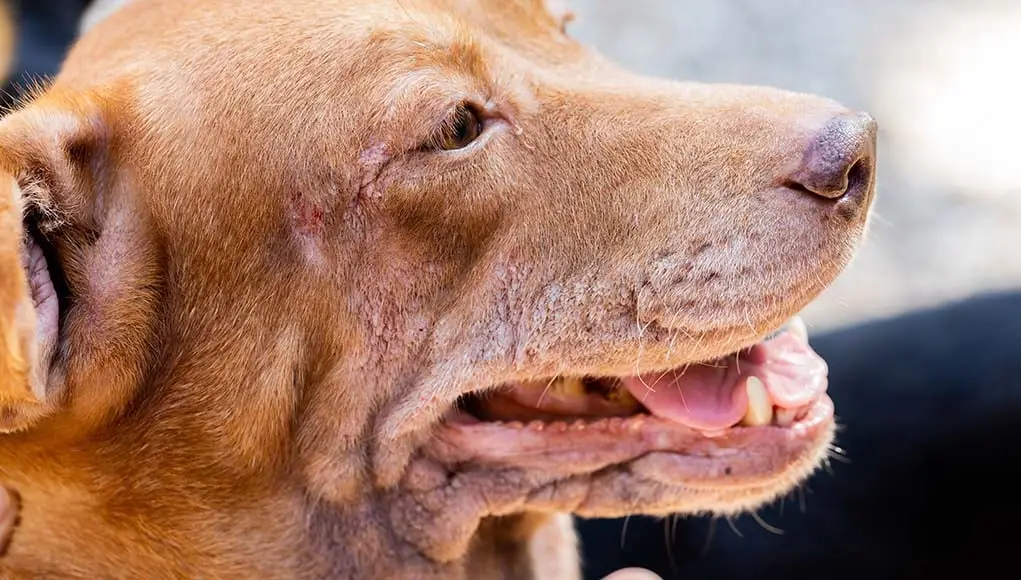
Food allergies in dogs add another layer of complexity to the topic of skin diseases. Unlike environmental allergens, food allergies can provoke a different set of symptoms that may not always be skin-related. For some dogs, ingesting certain ingredients can lead to gastrointestinal disturbances alongside skin issues, complicating diagnosis and treatment.
Common culprits include proteins such as beef, chicken, or dairy, which are frequently found in commercial dog foods. To identify food allergies, veterinarians often recommend an elimination diet. This process entails feeding the dog a limited ingredient diet for several weeks and gradually reintroducing potential allergens to determine the source of the issue.
Personal insights gained from working with various pet owners suggest a growing trend toward grain-free diets. While many people believe that eliminating grains from their dog’s diet will improve skin health, it’s vital to consult with a veterinarian to ensure balanced nutrition. Some dogs might actually tolerate grains, while other ingredients might cause problems.
The emotional toll of food allergies cannot be overlooked either. Imagine a dog that consistently associates meal times with discomfort or distress. Finding the right balance through dietary adjustments can make a significant difference in a dog’s happiness and overall demeanor.
Infections: Bacterial and Fungal Challenges

Another significant category of dog common skin diseases encompasses infections, particularly those driven by bacterial and fungal agents. Many pet owners may not realize that hot spots, pyoderma, and yeast infections fall under this umbrella. Understanding these infections can aid in timely interventions, preventing further complications.
Hot Spots: The Stress-Induced Scratches
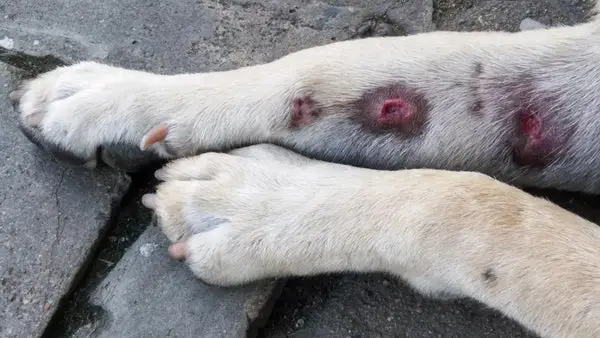
Hot spots, also known as acute moist dermatitis, are localized areas of infection that can develop rapidly. They commonly appear when a dog is stressed, anxious, or has been grooming excessively due to underlying skin irritations. Like sore muscles in humans post-exercise, hot spots emerge swiftly and require immediate attention.
A hot spot typically manifests as a red, inflamed area on the skin, often accompanied by hair loss and oozing. Dogs instinctively lick or bite at the affected area, exacerbating the problem and hindering healing. Pet owners should aim to treat the underlying cause to prevent recurrence rather than solely focusing on the visible symptoms.
Effective treatments may include topical antiseptics, anti-inflammatory medications, and, in some cases, antibiotics. Additionally, it may be necessary to alter a dog’s grooming routine or environment to mitigate stressors contributing to the formation of hot spots. Addressing the root causes goes beyond mere symptom management; it fosters a holistic approach to skin health.
Yeast Infections: The Unseen Culprit
Yeast infections are another prevalent issue that can impact a dog’s skin, particularly during warm weather months. Overgrowth of yeast can result in distressing odors, skin discoloration, and incessant itching. Dogs may experience discomfort in areas such as the ears, paws, and skin folds, prompting frantic scratching and biting.
While yeast infections can occur independently, they often arise in conjunction with other conditions such as allergies or prolonged antibiotic use. This interrelatedness highlights the importance of understanding the multifaceted nature of skin health. For example, a dog with an underlying allergy may be more susceptible to developing a yeast infection due to compromised skin barriers.
Treatment for yeast infections may involve antifungal medications, medicated shampoos, and lifestyle adjustments to reduce moisture accumulation in affected areas. Regular veterinary check-ups are essential for monitoring progress and ensuring the infection does not return.
Pyoderma: The Role of Underlying Factors
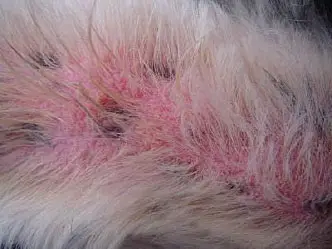
Pyoderma, or bacterial skin infections, represents another serious concern in canine dermatology. Often stemming from underlying factors such as allergies, parasitism, or hormonal imbalances, pyoderma can lead to painful and uncomfortable skin conditions.
Symptoms of pyoderma can vary but typically include redness, swelling, and pus-filled lesions. Unlike superficial infections, pyoderma can penetrate deeper layers of the skin, necessitating prompt and aggressive treatment.
Pet owners must understand that pyoderma is rarely an isolated issue; thus, addressing underlying causes is critical for successful management. Improving a dog’s overall health by targeting allergies and boosting immune function can significantly minimize the risk of recurrent infections. Insight gained from observing numerous cases indicates that collaborative efforts between pet owners and veterinarians are key to achieving optimal outcomes.
The Impact of External Parasites: Fleas and Ticks

When discussing dog common skin diseases, one cannot neglect the influence of external parasites like fleas and ticks. These uninvited guests exacerbate existing skin issues and present unique challenges that can compromise a dog’s comfort and health.
Flea Allergy Dermatitis: The Relentless Itch

Flea allergy dermatitis (FAD) is a hypersensitive reaction to flea bites and is one of the most common causes of skin issues in dogs. For many dogs, just a single flea bite can trigger intense itching and discomfort. Imagine the constant distraction a dog faces while attempting to focus on daily activities, yet being relentlessly disrupted by the irritating itch of flea bites!
The severity of FAD can lead to excessive scratching, hair loss, and secondary infections. It underscores the importance of preventative measures such as flea control products, regular grooming, and maintaining a clean living environment.
Pet owners must recognize the symptoms early and take action to alleviate their dog’s discomfort. Treatment can involve topical flea treatments, oral medications, and, in cases of severe infestation, comprehensive home cleaning to eliminate flea eggs and larvae.
Ticks: More Than Just a Skin Irritant
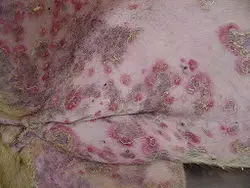
Ticks are another formidable foe for dogs, posing not only skin-related issues but also significant health risks associated with tick-borne diseases. These parasites latch onto a dog’s skin, feeding on blood and potentially transmitting infections that can lead to long-term health complications.
Beyond the immediate annoyance of a tick bite, various diseases such as Lyme disease and ehrlichiosis can arise from tick infestations. These conditions may not present visible symptoms initially, making diligent tick prevention and removal paramount.
Regularly inspecting your dog for ticks after walks or outdoor play can be a critical step in reducing health risks. Utilizing preventative tick treatments, such as collars or topical solutions, can help protect against infestations. Awareness of the potential consequences of tick bites emphasizes the need for vigilance in safeguarding canine health.
Behavioral Changes: A Ripple Effect
The emotional and behavioral ramifications of dealing with fleas and ticks cannot be dismissed. A dog grappling with discomfort from itching may exhibit anxiety, restlessness, and changes in behavior.
Dogs often develop habits of compulsive licking or chewing in response to itchiness or irritation caused by these parasites. Observing such behaviors can serve as a signal for pet owners to take action and address the underlying issues. By providing relief from parasites, pet owners can enhance not only their dogs’ physical well-being but their emotional stability as well.
Hormonal Disorders: The Hidden Influencers
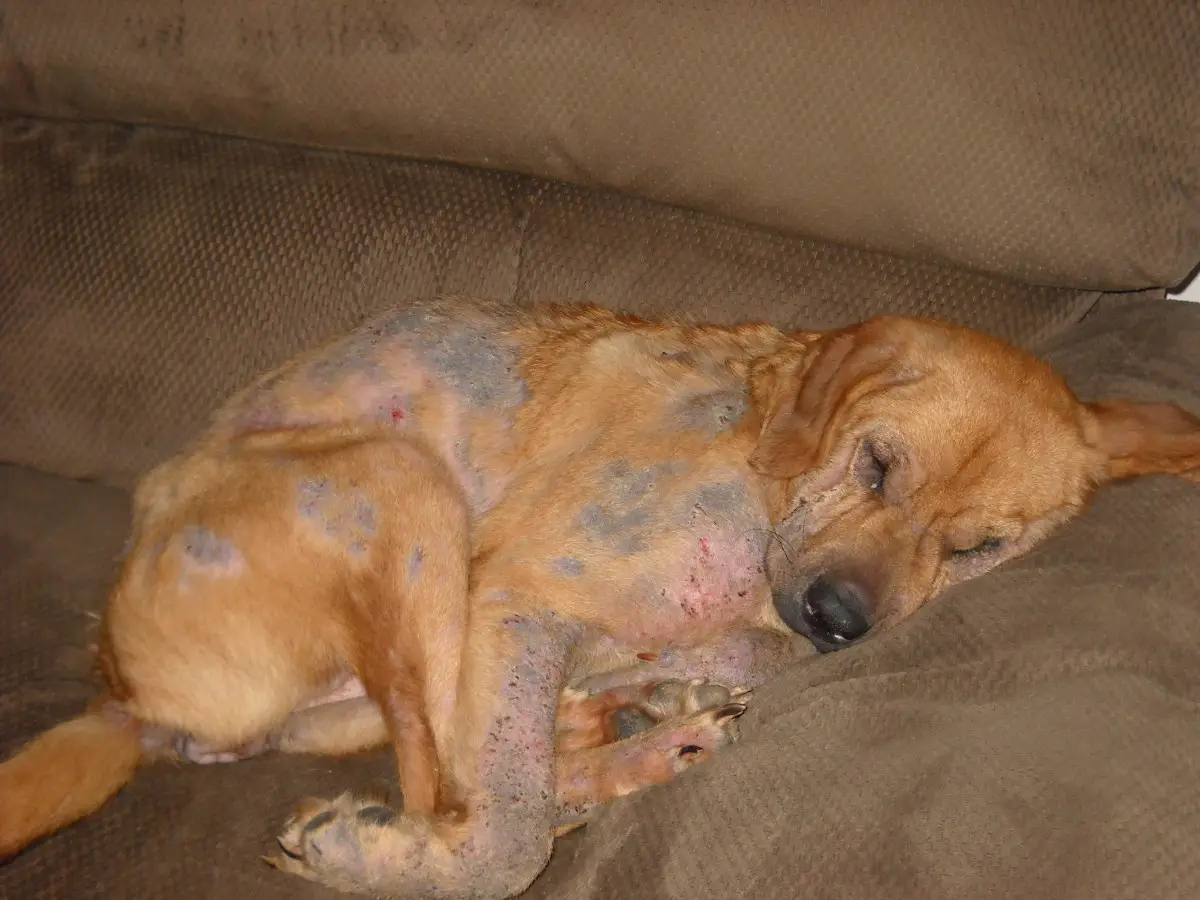
Emerging from the shadows of more familiar skin disorders are hormonal problems like hypothyroidism and Cushing’s disease. These endocrine disorders subtly influence how a dog’s body regulates skin health, leading to hair loss, skin thickening, and other complex symptoms.
Hypothyroidism: An Unseen Threat
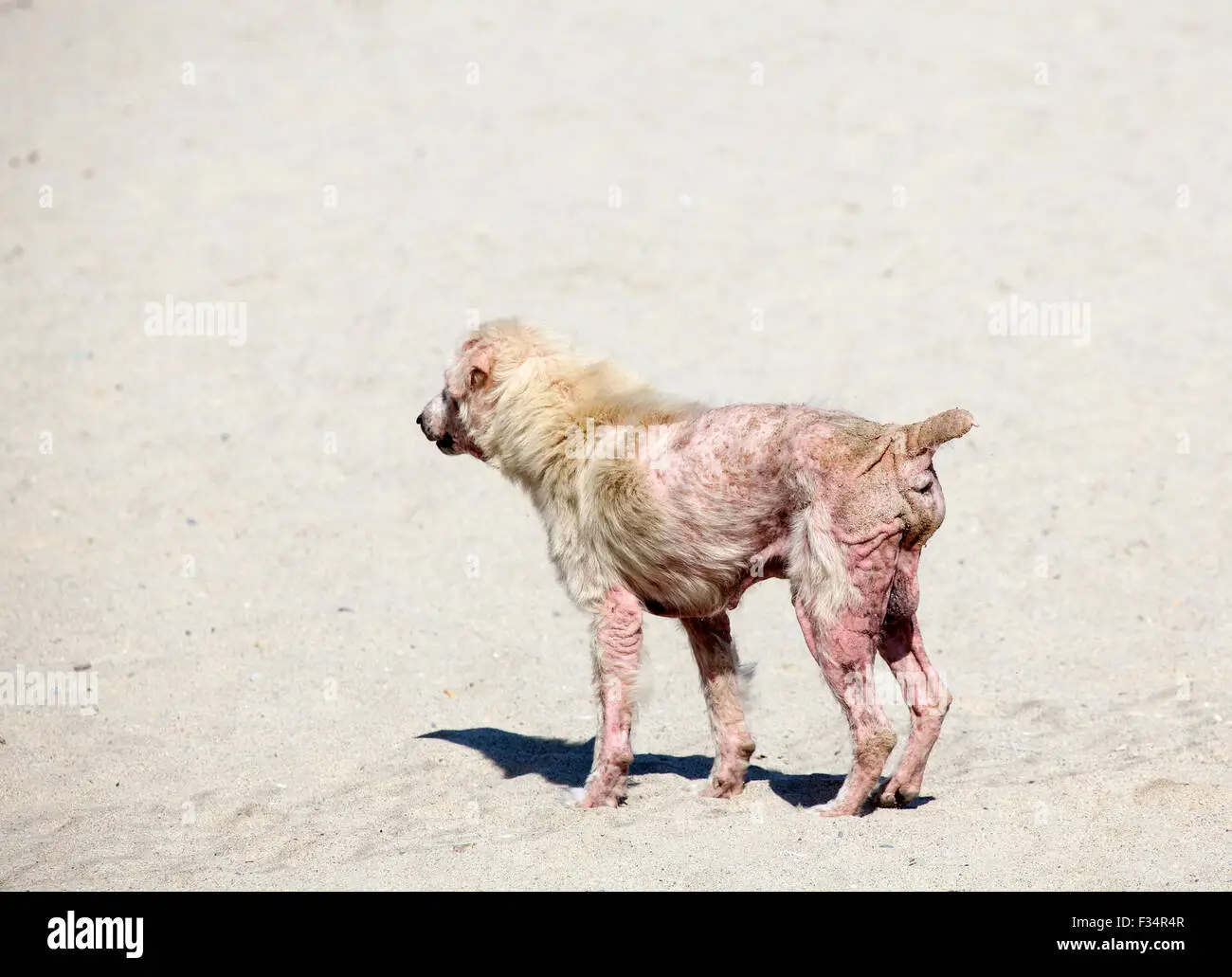
Hypothyroidism occurs when the thyroid gland fails to produce sufficient hormones, which can significantly affect a dog’s skin and coat. Symptoms may manifest as hair thinning, dull coats, and increased susceptibility to skin infections. Most visibly, dogs may exhibit noticeable changes in their fur, leading to bald patches and rough texture.
Understanding the link between hypothyroidism and skin health is essential for prompt diagnosis and intervention. Pet owners should be vigilant about any changes in their dog’s coat condition, as early detection can lead to effective management through hormone replacement therapy and dietary adjustments.
Cushing’s Disease: A Complex Web
Cushing’s disease, or hyperadrenocorticism, is another hormonal disorder that can have profound implications for canine skin health. This condition results from an overproduction of cortisol and can lead to symptoms such as hair loss, skin fragility, and increased susceptibility to infections.
Cushing’s disease often develops gradually, making it easy for pet owners to overlook initial signs. Increased thirst and urination, along with behavioral changes, may accompany skin issues, painting a broader picture of the dog’s health. A thorough veterinary evaluation and diagnostic testing are essential for confirming the diagnosis and formulating appropriate treatment plans.
The Interconnectedness of Skin Health and Endocrine Function
The interconnectedness of skin health and endocrine function emphasizes the importance of viewing skin issues holistically. Rather than isolating skin conditions to surface-level problems, pet owners and veterinarians must consider the interplay between genetics, environment, and hormonal regulation.
By addressing hormonal imbalances, pet owners can achieve greater success in resolving skin issues. Incorporating regular veterinary check-ups, proactive dietary choices, and suitable exercise routines can foster overall well-being that extends beyond skin health.
The Emotional Toll: Stress and Its Effects
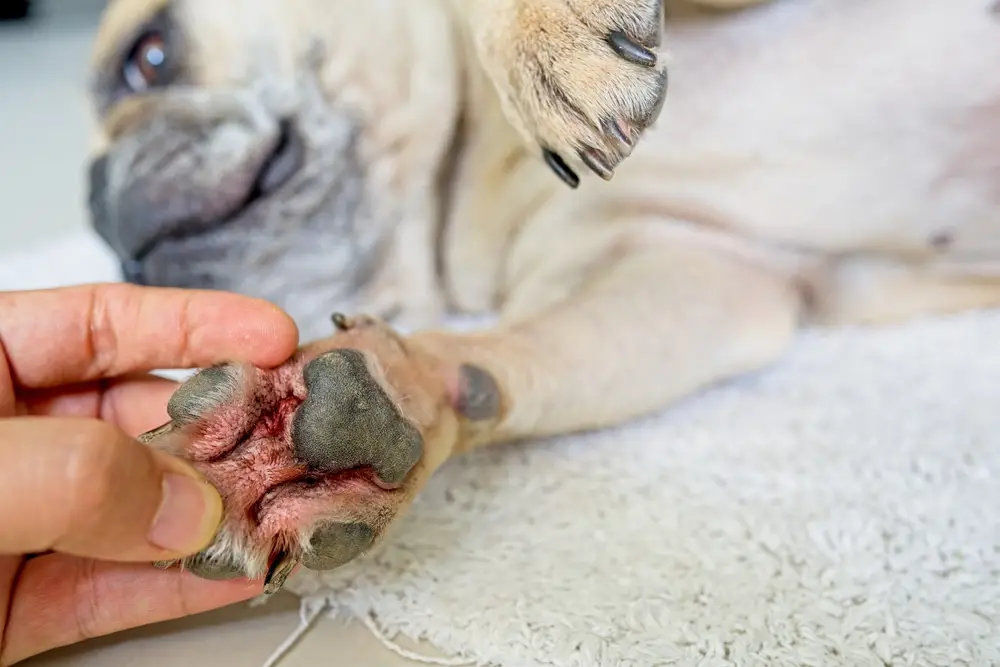
Equally important to consider is the emotional landscape surrounding dogs suffering from skin issues. Stress and anxiety can exacerbate existing conditions, creating a whirlwind effect of discomfort both physically and emotionally.
Compulsive Behaviors: A Cry for Help
Much like humans who might bite their nails or scratch at stress-related irritations, dogs may engage in compulsive behaviors when faced with skin problems. Licking or chewing at affected areas may offer temporary relief but can complicate the situation further by leading to open wounds and secondary infections.
Pet owners should strive to identify potential stressors in their dog’s environment. Changes in routine, new animals in the household, loud noises, or even loneliness can contribute to heightened anxiety levels. Implementing strategies to create a calming atmosphere, coupled with positive reinforcement training, can significantly benefit dogs struggling with skin issues.
Mental Wellness: A Holistic Approach
Integrating mental wellness into skin health discussions underscores the necessity of treating the whole dog, not just the visible symptoms. Just as humans embark on journeys of self-care and stress management, dogs too thrive in environments that promote mental peace.
Engaging in regular physical activity, interactive playtime, and enrichment activities can help alleviate stress and curb compulsive behaviors. Enriching a dog’s environment with toys and social interactions can provide much-needed stimulation and counteract anxiety-driven behaviors.
The Symbiotic Relationship between Body and Mind
Ultimately, addressing the emotional aspects of skin diseases creates a symbiotic relationship between physical and mental well-being. When a dog’s emotional needs are met, the healing process of skin conditions can be expedited. By prioritizing mental wellness alongside physical treatment, pet owners enhance their furry friends’ overall health and happiness.
Conclusion

Navigating the world of dog common skin diseases requires a comprehensive understanding of the complexities involved. From allergies and infections to hormonal disorders and emotional impacts, each aspect plays a pivotal role in shaping a dog’s skin health. Pet owners must adopt a holistic approach to care, recognizing that the connection between diet, environment, biology, and emotional wellness is crucial for alleviating discomfort and enhancing quality of life.
As dedicated guardians of our beloved pets, taking the time to observe, educate ourselves, and collaborate with veterinarians empowers us to become effective advocates for their health. With proactive measures, tailored treatments, and an understanding of the intricate tapestry of factors influencing skin diseases, we can strive to ensure that our furry companions enjoy happier, healthier lives free from the burden of discomfort.
