
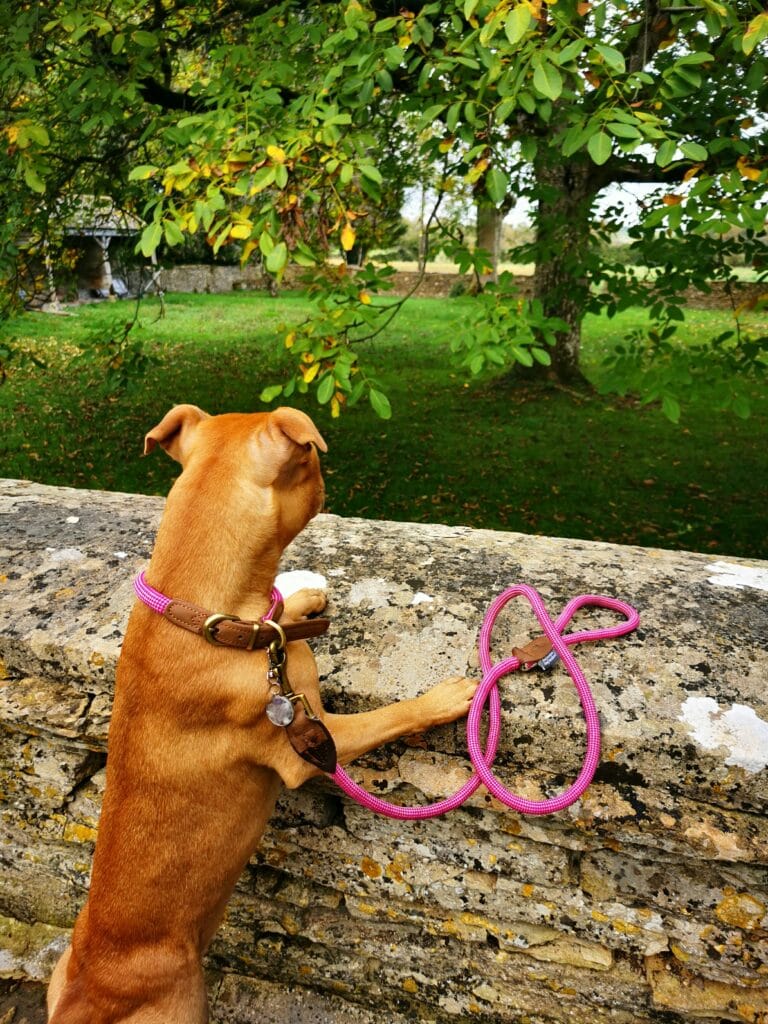
Choosing the right dog collar is more than just a fashion statement; it’s a crucial decision for your dog’s safety, comfort, and training. Whether you’re teaching your puppy the ropes or managing a strong-willed adult, the correct collar can make all the difference in your walking and training experiences. This guide will walk you through everything you need to know about dog collars for training and walking, ensuring your furry friend is both well-behaved and secure.
Understanding the Purpose of Training Collars
Training collars are specifically designed to aid in behavior modification and obedience training. Unlike regular collars that primarily serve identification and leash attachment purposes, training collars offer an added layer of control and communication between you and your dog. They are tools, and like any tool, their effectiveness and safety depend on proper use.
Why Choose a Specific Training Collar?
The primary reason to opt for a training collar is to enhance your ability to communicate commands and corrections to your dog. Different types of training collars work on various principles, from gentle pressure to a more significant deterrent. Understanding these mechanisms is key to selecting the best fit for your dog’s breed, temperament, and your training goals. When used correctly and humanely, these collars can help address issues like pulling, excessive barking, or lack of responsiveness.
Types of Dog Collars for Training and Walking
The market offers a wide array of collars, each with its unique features and benefits. It’s essential to understand the distinctions to make an informed choice.
Martingale Collars
Martingale collars, also known as limited-slip collars, are excellent for dogs with slender heads or narrow necks, such as Greyhounds and Whippets, who can easily slip out of traditional flat collars. When the dog pulls, the collar tightens slightly, but only to a predetermined limit, preventing escape without choking. This makes them a humane option for dogs that tend to pull or try to back out of their collars.
Slip Collars (Choke Chains and Prong Collars)
Slip collars, including choke chains and prong collars, are designed to tighten significantly when the dog pulls. Choke chains use a chain that tightens around the dog’s neck. Prong collars have metal links with blunt prongs that rest against the dog’s neck, tightening and applying pressure when the dog pulls.
Important Consideration: While these collars can be effective for immediate correction, they require expert knowledge for safe and humane use. Improper fitting or excessive force can lead to injury or a negative association with training. Many trainers now recommend gentler alternatives, especially for novice owners. If you are considering these types of collars, it is highly recommended to consult with a professional dog trainer.
Head Halters
Head halters, like the Gentle Leader or Halti, work by offering control over the dog’s head and muzzle. Similar to a horse’s halter, it guides the dog’s direction. When the dog pulls forward, the head halter gently turns their head back towards you. This is a highly effective method for managing strong pullers and can be a good alternative to martingale or slip collars for dogs that are difficult to walk.
Front-Clip Harnesses
While not a collar, front-clip harnesses are a popular training tool for managing pulling. The leash attaches to a ring on the dog’s chest. When the dog pulls, the harness gently redirects them back towards you, discouraging forward momentum. They offer excellent control without applying pressure to the dog’s neck, making them a safe and comfortable option for many dogs.
How to Choose the Right Collar for Your Dog
Selecting the ideal collar depends on several factors: your dog’s breed, size, temperament, coat type, and your specific training objectives.
Consider Your Dog’s Breed and Size
- Small Dogs: Delicate breeds may benefit from lightweight flat collars or harnesses to avoid neck strain.
- Large, Strong Breeds: These dogs often require more robust collars or harnesses that offer superior control, such as head halters or front-clip harnesses.
- Dogs with Slender Necks: Martingale collars are often the best choice to prevent escapes.
Assess Your Dog’s Temperament and Behavior
- Pullers: Head halters or front-clip harnesses are generally recommended.
- Anxious or Reactive Dogs: A secure, well-fitting collar or harness is essential, perhaps combined with positive reinforcement training.
- Puppies: Start with lightweight flat collars or harnesses and introduce training collars gradually as needed.
Evaluate Your Training Goals
Are you working on basic leash manners, or do you need to address more significant behavioral issues? The intensity of your training will influence the type of collar you might consider. Always prioritize positive reinforcement methods.
Proper Fit and Usage: The Key to Safety and Effectiveness
A collar’s effectiveness and safety are paramount. An improperly fitted collar can be uncomfortable, ineffective, or even dangerous.
The Two-Finger Rule
A good rule of thumb for most collars (flat collars, harnesses, and even the resting fit of martingales and head halters) is the “two-finger rule.” You should be able to comfortably slide two fingers between the collar and your dog’s neck. This ensures the collar is snug enough to prevent slipping but not so tight that it causes discomfort or restricts breathing.
Checking for Wear and Tear
Regularly inspect your dog’s collars and harnesses for any signs of damage, such as frayed edges, worn-out buckles, or stretched material. Replace any damaged equipment immediately.
Introduction to Training Collars
When introducing any new training tool, patience and positive reinforcement are key. Start by letting your dog wear the collar for short periods indoors, associating it with treats and praise. Gradually increase the duration and introduce it during walks. If using a more specialized training collar, such as a head halter or martingale, consult resources or a professional trainer for the best introduction techniques.
Beyond the Collar: Comprehensive Dog Training Strategies
While the right collar is a valuable tool, it’s only one piece of the puzzle in effective dog training. A holistic approach yields the best results.
Positive Reinforcement Training
This method focuses on rewarding desired behaviors, making them more likely to occur again. Using treats, praise, and toys, you can teach your dog commands and good manners without resorting to harsh methods. Many owners find success with structured programs like the 28 day dog training challenge, which emphasizes positive techniques.
Consistency is Crucial
All members of the household should be on the same page regarding commands, rules, and rewards. Inconsistency can confuse your dog and hinder progress.
Socialization
Proper socialization from a young age is vital. Exposing your puppy to various people, places, sounds, and other well-behaved dogs helps them develop into a confident and well-adjusted adult. This can prevent issues like dog on dog aggression in the home.
Professional Guidance
For persistent behavioral issues or if you’re struggling with training, don’t hesitate to seek help from a certified professional dog trainer or a veterinary behaviorist. They can offer personalized advice and proven strategies. Exploring dog training collars reviews can also provide insights into effective tools and methods.
Frequently Asked Questions About Dog Collars
What is the best collar for a dog that pulls on the leash?
For dogs that pull, a head halter or a front-clip harness is often recommended. These tools help redirect your dog’s forward momentum without causing neck strain.
Are choke chains and prong collars safe for dogs?
When used by experienced handlers and fitted correctly, they can be effective for certain training situations. However, they carry a higher risk of injury or negative psychological impact if misused. Many trainers now prefer gentler, positive reinforcement-based methods and tools.
How often should I check my dog’s collar fit?
You should check the fit regularly, especially on growing puppies. For adult dogs, a quick check each time you put the collar on or take it off is a good practice.
Can a dog wear a training collar all the time?
No, specialized training collars are typically not designed for constant wear. They should be used during training sessions or walks. Regular flat collars or harnesses are more appropriate for daily wear, provided they fit comfortably.
What’s the difference between a collar and a harness for training?
Collars work by applying pressure to the dog’s neck, while harnesses distribute pressure across the dog’s chest and back. Harnesses, particularly front-clip varieties, are often favored for managing pulling and for dogs with delicate necks or respiratory issues.
Conclusion: Enhancing Your Canine Companion’s Journey
The journey of training and walking your dog is deeply rewarding. By understanding the nuances of different dog collars and choosing the right equipment for your canine companion, you equip yourself with essential tools for effective communication and a stronger bond. Remember that any training tool, including collars, should be used with kindness, consistency, and a deep understanding of your dog’s well-being. Exploring options like dog training collars for walking can lead you to discover the perfect solution for your needs. With the right approach, every walk can become a positive training opportunity, strengthening the unique story you share with your dog.
