
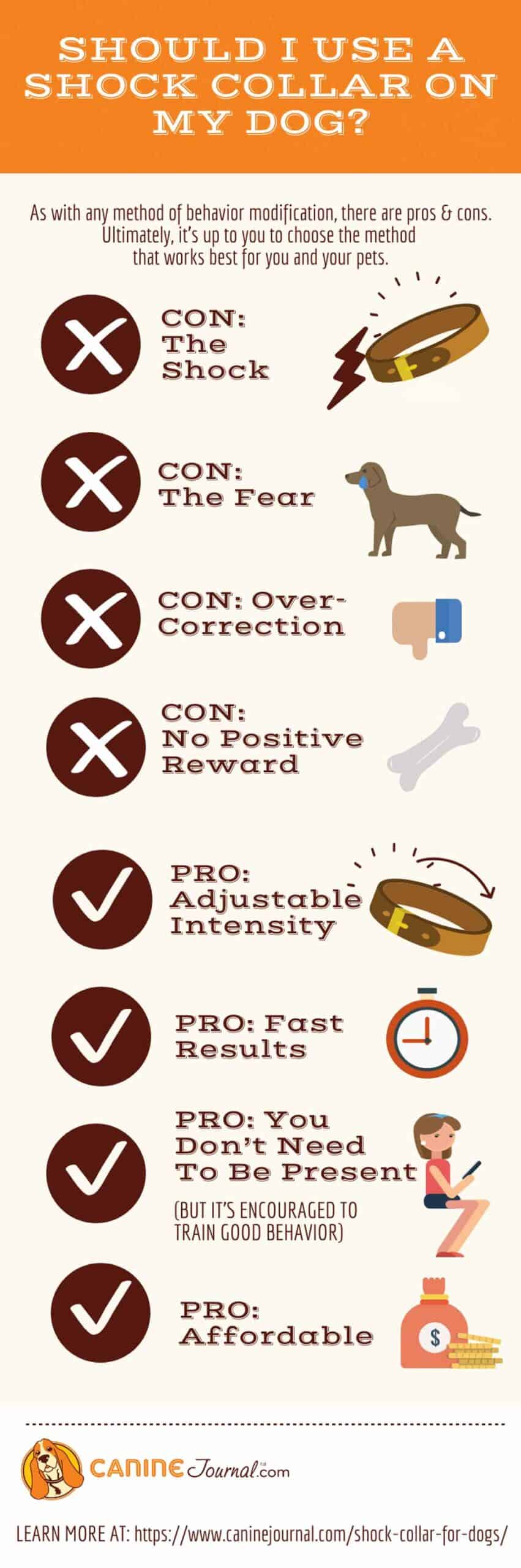
When it comes to training our canine companions, the array of tools and methods can be overwhelming. Among the most debated of these tools are Dog Collars Training Shock models, often referred to as e-collars or remote training collars. You’ve likely heard conflicting stories: some swear by them for correcting stubborn behaviors, while others condemn them as inhumane. The truth, as it often is, lies somewhere in the complex middle. This guide is here to cut through the noise, providing a balanced, in-depth look at what these collars are, the science behind their use, and the crucial safety considerations every responsible dog owner needs to know.
Understanding the nuances of these devices is the first step. For a deeper dive into the different types available, exploring various dog shock training collars can provide a clearer picture of the market. Our goal isn’t just to train our dogs, but to build a relationship based on trust and clear communication. Let’s explore whether these tools help or hinder that bond.
What Are Shock Collars and How Do They Work?
At its core, an electronic training collar is a device worn around a dog’s neck that can deliver an electrical stimulation, vibration, or sound, activated by a remote control held by the handler. The term “shock” itself is often what sparks debate, conjuring images of painful jolts. However, modern, high-quality e-collars are designed to deliver a range of stimulation levels, from a barely perceptible tickle (known as a static correction) to a more significant impulse.
The Three Main Functions
Most modern dog collars training shock devices come equipped with three modes:
- Sound (Beep): This is the most benign function, used as an audible cue. A trainer might use the beep to warn the dog that a correction is coming if they don’t cease the unwanted behavior, or simply to get their attention from a distance.
- Vibration: This function delivers a vibrating sensation, similar to a silent phone alert. It’s a non-painful way to interrupt a behavior, like jumping or excessive barking, and redirect the dog’s focus back to the handler.
- Static Stimulation: This is the most controversial feature. It involves the collar delivering a brief electrical impulse through two contact points that touch the dog’s skin. The intensity is typically adjustable, and responsible use dictates starting at the absolute lowest level the dog can perceive.
The underlying principle is based on operant conditioning—specifically, positive punishment (adding an unpleasant sensation to decrease a behavior) or negative reinforcement (removing an unpleasant sensation when a desired behavior is performed).
The Great Debate: Efficacy vs. Ethics
The discussion around dog collars shock training is deeply polarized. To make an informed decision, it’s essential to understand both sides of the argument, weighing the potential effectiveness against the ethical considerations and risks.
Potential Benefits Claimed by Proponents
Advocates for e-collars often point to their effectiveness in specific scenarios, particularly when other methods have failed. They argue that, when used correctly, these collars are a valuable communication tool.
- Off-Leash Reliability: For owners who want to give their dogs off-leash freedom in unfenced areas, an e-collar can be a safety line. It allows for immediate, long-distance correction if a dog starts to chase wildlife or run toward a dangerous road.
- Correcting Serious Behaviors: Certain persistent and dangerous behaviors, such as aggression towards other animals or compulsive scavenging, can sometimes be interrupted and managed with the timely use of a remote collar.
- Speed of Training: Some trainers believe that using an e-collar can speed up the learning process for certain commands, as the consequence for non-compliance is immediate and clear. This is a point of major contention within the training community.
The Risks and Downsides of Using Shock Collars
Conversely, a vast number of veterinarians, animal behaviorists, and modern trainers strongly advise against the use of shock collars due to the significant potential for physical and psychological harm. The challenge of training dogs with shock collar is fraught with risks if not handled by an absolute expert.
- Increased Fear and Anxiety: The core issue is that these collars use aversion to stop behavior. Instead of teaching a dog what to do, they punish them for doing the wrong thing. This can lead to a state of chronic anxiety, where the dog is constantly afraid of being corrected.
- Incorrect Association (Fallout): Dogs may not associate the shock with their specific action. A dog corrected for pulling towards another dog might associate the pain with the sight of the other dog, not its own pulling. This can create new, more severe problems like fear-based aggression.
- Potential for Misuse and Abuse: In the hands of an inexperienced or frustrated owner, an e-collar can easily become a tool of abuse. Using a level that is too high, correcting too frequently, or punishing out of anger can severely damage a dog’s trust and well-being.
- Suppression of Behavior, Not a Solution: Shock collars often suppress a behavior without addressing the underlying cause. A dog that barks out of anxiety might stop barking to avoid the shock, but the anxiety remains and may manifest in other destructive ways, like chewing or self-harm.
As renowned (hypothetical) veterinary behaviorist Dr. Sarah Miller, DVM, states, “The problem with aversive tools like shock collars is that they operate on the premise of fear. While you might stop a behavior, you are not truly training the dog or building a healthy relationship. You are teaching the dog to fear the consequence, and the fallout from that fear can be far more dangerous than the original behavior.”
Humane and Effective Alternatives to Shock Collars
Fortunately, the world of dog training has evolved significantly, with a strong scientific consensus favoring positive reinforcement methods. These techniques focus on rewarding desired behaviors, which builds a dog’s confidence and strengthens the human-animal bond.
- Positive Reinforcement: This is the gold standard of modern dog training. It involves using high-value rewards—like treats, praise, or toys—to make a desired behavior more likely to happen again. For example, instead of correcting a dog for jumping, you teach it that sitting politely gets it the attention it craves.
- Clicker Training: A form of positive reinforcement that uses a small device to make a distinct “click” sound. The click marks the exact moment the dog performs the correct behavior, and is immediately followed by a reward. This creates a powerful and precise way to communicate with your dog.
- Redirection: For unwanted behaviors like chewing on furniture, redirect the dog’s attention to an appropriate chew toy. This teaches the dog what to chew on, rather than just punishing the wrong choice.
- Management: Sometimes, the easiest solution is to manage the environment to prevent the problem behavior from occurring in the first place. If your dog jumps the fence, reinforcing the fence is a better solution than punishing the dog for a natural instinct. Considering the best shock collars for dog training might seem like a quick fix, but strengthening your fence addresses the root of the problem.
Exploring an electric shock dog training collar might be tempting, but investing time in positive methods almost always yields better, more reliable long-term results without the associated risks.
How to Use a Training Collar Safely (If You Must)
While we strongly advocate for positive reinforcement methods, if you are in a situation where you and a certified professional have decided an e-collar is a necessary last resort, its use must adhere to strict safety protocols. Misuse is not an option.
- Find the “Working Level”: Start with the collar at level 0. Increase it one level at a time while asking your dog for a simple command they know, like “sit.” Watch for the slightest reaction—a flick of the ear, a turn of the head. That is their “working level.” It should be a tap on the shoulder, not a shout.
- Proper Fit is Crucial: The collar must be snug enough for both contact points to touch the skin, but not so tight that it restricts breathing or causes chafing. You should be able to fit two fingers between the collar and the dog’s neck. Do not leave it on for more than 8 hours a day to prevent skin irritation.
- Timing is Everything: The correction must be delivered exactly when the unwanted behavior occurs, within a half-second. Poor timing will only confuse and frighten your dog.
- Combine with Positive Cues: The collar should be used to interrupt and redirect, not to punish. The sequence should be: Command -> Dog ignores -> Verbal warning -> Correction (at working level) -> Praise lavishly the moment the dog complies.
- Never Use for Punishment or Aggression: Never use the collar out of anger or to “correct” fear-based or aggressive behaviors. Doing so is almost guaranteed to make the aggression worse.
Frequently Asked Questions (FAQ)
Can a shock collar burn a dog’s neck?
While modern, well-made collars are designed to prevent this, burns can occur from a condition called pressure necrosis. This happens if the collar is left on too tight for too long, restricting blood flow to the skin under the contact points. It’s not an electrical burn but a pressure sore. Regular rotation and proper fitting are essential.
Do veterinarians recommend dog collars training shock?
The vast majority of veterinary organizations, including the American Veterinary Medical Association (AVMA), have taken a stance against aversive training methods that cause pain or fear, recommending reward-based training instead.
At what age can you start using a shock collar?
Most manufacturers and trainers recommend not using a shock collar on a puppy younger than 6 months old. Their temperaments are still developing, and using aversive tools at this stage can cause lasting psychological harm.
Will a shock collar stop my dog from barking?
It might suppress the barking, but it won’t solve the root cause. If the dog is barking from anxiety, fear, or boredom, those feelings will remain and may surface as new, more problematic behaviors. It’s better to identify and address the reason for the barking.
Are vibration and tone settings also harmful?
Vibration and tone are not physically painful and are considered less aversive than static stimulation. However, they can still be startling or frightening to a sensitive dog. If the tone is consistently used as a predictor for a shock, the tone itself can become a source of anxiety.
Conclusion: A Relationship Built on Trust
The journey of training a dog is about more than just obedience; it’s about building a language of mutual understanding and respect. While dog collars training shock models exist as a tool, they come with a significant burden of risk and responsibility. The potential for creating fear, anxiety, and aggression often outweighs the proposed benefits, especially when compared to the proven success of positive reinforcement training.
By choosing to focus on rewarding the good and managing the environment, we can teach our dogs the skills they need to navigate our world confidently. We encourage you to explore humane, science-backed methods that strengthen your bond and foster a joyful partnership. After all, the best training tool you will ever have is a positive relationship with your dog.
