
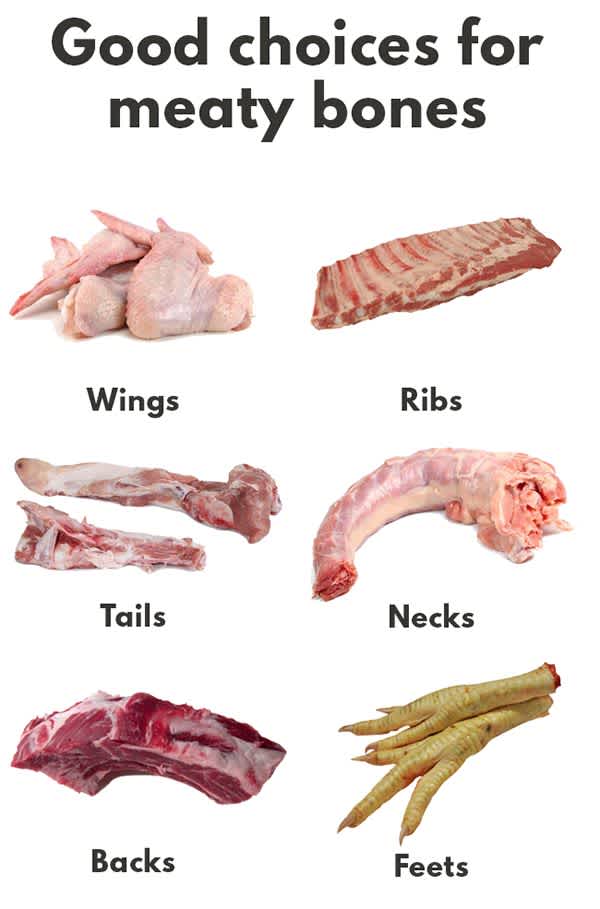
Chewing on bones is a natural instinct for dogs, offering several benefits from dental health to mental stimulation. However, it’s crucial for pet owners to understand the potential risks involved. This article explores the pros and cons of giving bones to your dog and provides guidance on making safe choices for your furry companion.
The Benefits of Bones for Dogs
Bones provide more than just a chewing outlet for dogs. They can contribute positively to your dog’s overall well-being in several ways:
- Promoting Good Dental Health: Chewing on bones can act as a natural toothbrush. The abrasive action helps to scrape away plaque and tartar buildup from your dog’s teeth and gums, which can prevent gum disease and promote healthier teeth. This is a significant reason why many owners offer bones to their pets.
- Providing Mental Stimulation and Relieving Boredom: For dogs, chewing is an instinctive and rewarding activity. Bones can keep your dog occupied for extended periods, alleviating boredom and preventing them from engaging in undesirable behaviors like excessive scratching or licking. This mental engagement can also help redirect destructive chewing habits.
- Offering Nutritional Value: Especially when raw, bones can be a source of essential nutrients. The marrow within bones is rich in fats and provides additional calories, while the bones themselves contain minerals like calcium and phosphorus, contributing to your dog’s overall diet.
Understanding the Risks Associated with Bones
Despite the benefits, veterinarians often warn about the significant health risks that come with feeding bones to dogs. It’s essential to be aware of these potential dangers:
- Risk of Dental Injuries: While bones can aid dental health, they also pose a threat to your dog’s teeth. Hard bones, particularly those from large animals, can cause teeth to crack or fracture. Such injuries can lead to pain, infection, and may require extensive veterinary dental procedures.
- Choking Hazards and Intestinal Obstructions: Cooked bones are especially dangerous as they can splinter into sharp fragments. These fragments can easily become a choking hazard. If swallowed, these shards can cause serious damage to the digestive tract or lead to life-threatening intestinal obstructions. Dogs that are small, aggressive chewers, or tend to gulp their food are at a higher risk.
- Digestive Issues: Feeding bones can lead to various digestive problems. Constipation, diarrhea, or even pancreatitis can occur, particularly with fatty bones containing marrow. Sharp bone fragments can also irritate or injure the lining of the digestive tract. Dogs with sensitive stomachs should be closely monitored if given bones.
Safer Alternatives to Traditional Bones
Given the potential risks, many owners seek safer alternatives to traditional bones. If you choose to offer your dog a chewing option, consider these suggestions:
- Raw Bones: If you opt for bones, raw bones are generally considered safer than cooked ones because they are less likely to splinter. However, it is crucial to always supervise your dog while they are chewing on any type of bone to prevent accidents.
- Synthetic Chews: The market offers a wide variety of durable and non-toxic synthetic chew toys. These are designed to be safer for your dog’s teeth and digestive system. Look for options like sturdy rubber chew toys, nylon bones, or specialized dental chews.
- Vet-Approved Treats: Consulting with your veterinarian is the best way to find safe and appropriate treats for your dog. They can recommend dental chews or specific treats formulated to support oral hygiene and overall health, providing a safer alternative to real bones. Your vet can also offer advice on brands like royal canin mini light weight care if your dog has specific dietary needs.
Making an Informed Decision
Deciding whether to give your dog bones is a significant choice that requires weighing the potential benefits against the very real risks. While bones can offer dental and mental stimulation, the dangers of dental injuries, choking, and digestive issues cannot be ignored. It is highly recommended to discuss this with your veterinarian, who can provide personalized advice based on your dog’s breed, age, health, and chewing habits. They can also guide you on appropriate food choices, such as evaluating options like hills puppy food reviews uk or understanding the benefits of royal canin calm dog food reviews.
Note: The information provided here is for educational purposes only and does not substitute professional veterinary advice. Always consult your veterinarian for any health concerns regarding your pet.
Our experienced veterinarians are dedicated to providing your pets with the best possible care. Contact our Greensboro vets today to schedule an examination and discuss your pet’s health and dietary needs.
