
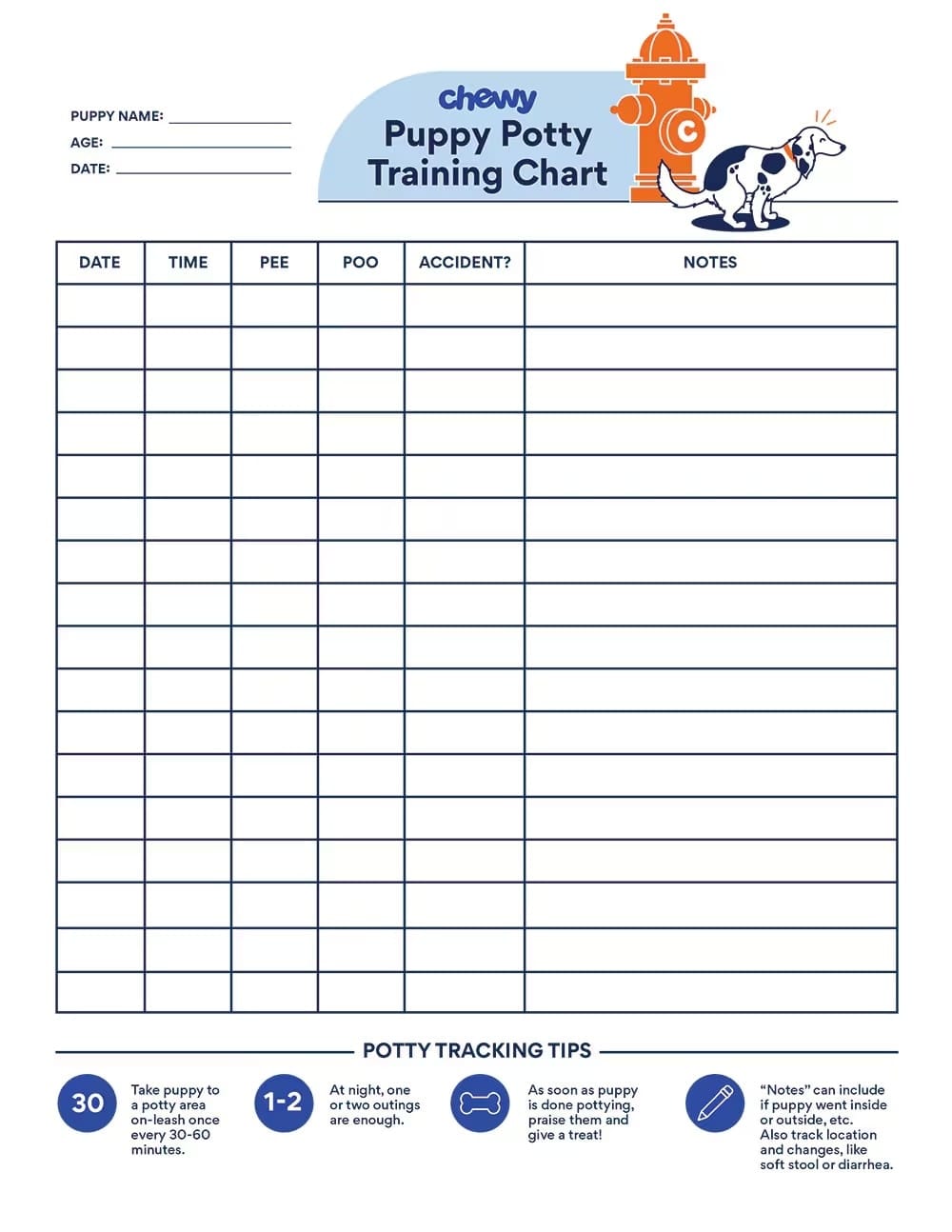
Embarking on a new journey with your puppy or even an older dog can be an incredibly rewarding experience. However, it also comes with its set of challenges, especially when it comes to house training. Potty training a dog, whether at home or during boarding, requires patience, consistency, and a clear understanding of your dog’s needs. This guide delves into the specifics of Dog Boarding Potty Training, offering insights and practical tips for pet owners and boarding facilities alike. Our goal is to help you navigate this process smoothly, ensuring your furry friend feels comfortable and well-cared for, no matter the circumstances.
Understanding the Nuances of Potty Training Dogs
Potty training is a fundamental aspect of responsible dog ownership. It’s not just about preventing accidents; it’s about establishing a routine, building trust, and communicating effectively with your canine companion. When it comes to dog boarding, the stakes are even higher. A well-executed potty training plan ensures a hygienic environment for all dogs and reduces stress for both the pets and the staff.
Potty Training Puppies: A Foundation for Success
Puppies have a smaller bladder capacity and less control than adult dogs, making early and consistent potty training crucial. The key principles remain the same whether at home or in a boarding facility: frequent opportunities to relieve themselves, positive reinforcement, and a consistent schedule.
- Frequent Potty Breaks: Young puppies need to go out every 1-2 hours, after waking up, after playing, and after eating. Boarding facilities often have designated potty areas where dogs are taken on a strict schedule.
- Positive Reinforcement: When your puppy successfully eliminates in the designated area, offer immediate praise and a small, high-value treat. This positive association is vital for reinforcing the desired behavior.
- Supervision is Key: Keeping a close eye on your puppy helps you recognize the signs that they need to go (circling, sniffing intensely, whining). In a boarding environment, attentive staff are trained to spot these cues.
- Cleaning Accidents Thoroughly: If accidents happen, clean them up immediately with an enzymatic cleaner to eliminate odors that might attract your dog back to the same spot. Avoid punishing your dog, as this can lead to fear and confusion.
Potty Training Adult Dogs: Addressing Existing Habits or New Routines
While puppies are a blank slate, adult dogs may come with pre-existing potty habits or may need to adjust to a new environment. In a dog boarding setting, this means understanding the dog’s history and implementing a tailored approach.
- Gathering Information: A reputable boarding facility will ask for detailed information about your dog’s current potty routine, any known issues, and their feeding schedule. This information is critical for establishing a consistent plan.
- Establishing a Routine: Adult dogs thrive on routine. Boarding staff will aim to mimic the dog’s home schedule as closely as possible, ensuring timely potty breaks.
- Adapting to New Environments: Some dogs may experience stress in a new environment, which can sometimes lead to accidents. Patience and a calm demeanor from staff can help dogs adjust more easily.
Best Practices for Dog Boarding Potty Training
Successful potty training in a boarding environment relies on a collaborative effort between the owner and the facility. Here are some best practices:
For Owners: Preparing Your Dog for Boarding
- Solidify Home Training: Before boarding, ensure your dog has a reliable potty routine at home. The more consistent they are, the easier the transition to a boarding facility will be.
- Communicate Clearly: Provide the boarding facility with detailed instructions about your dog’s feeding schedule, potty habits, any medical conditions, and preferred potty spots or routines. Don’t hesitate to ask about their potty training protocols.
- Use Familiar Scents: Bringing a blanket or toy that smells like home can help your dog feel more secure and reduce stress, which can indirectly aid in potty training consistency.
For Boarding Facilities: Implementing Effective Potty Training Programs
- Designated Potty Areas: Clearly defined and easily accessible outdoor or indoor potty areas are essential. These areas should be cleaned regularly to maintain hygiene and encourage use.
- Scheduled Potty Breaks: A structured schedule of potty breaks throughout the day is paramount. This includes breaks upon arrival, after meals, after waking up from naps, and before bedtime.
- Individualized Attention: Recognizing that each dog is different, staff should be trained to observe individual dogs for signs they need to relieve themselves and adjust the schedule accordingly.
- Positive Reinforcement Techniques: Staff should be well-versed in using positive reinforcement, rewarding successful potty breaks with praise and treats. This creates a positive association with the designated potty areas.
- Accident Management Protocols: Having a clear protocol for handling accidents, including immediate cleanup with appropriate enzymatic cleaners and non-punitive methods, is crucial for maintaining a healthy environment.
- Staff Training: Ensuring all staff members are knowledgeable about canine behavior, potty training techniques, and the facility’s specific protocols is vital for consistent application.
Addressing Common Challenges in Dog Boarding Potty Training
Even with the best intentions and protocols, challenges can arise. Understanding these common issues can help owners and facilities prepare and manage them effectively.
Inconsistent Potty Habits Due to Stress
New environments can be stressful for dogs. This stress can manifest as changes in potty habits, including increased frequency, accidents, or even temporary regression.
- Mitigation Strategies:
- Calming Environment: Creating a low-stress environment within the boarding facility, with quiet areas and minimal loud noises, can help.
- Familiarity: As mentioned, familiar scents and routines can provide comfort.
- Patience and Reassurance: Staff should approach dogs calmly and reassuringly, avoiding any actions that might increase anxiety.
Medical Issues Affecting Potty Training
Sometimes, a dog may experience sudden changes in potty habits due to underlying medical conditions, such as urinary tract infections (UTIs), diabetes, or gastrointestinal issues.
- Owner’s Role: Owners should always inform the facility of any known or suspected health issues.
- Facility’s Role: Boarding staff should be trained to recognize potential signs of illness and promptly report any concerns to the owners or a veterinarian. Close monitoring of a dog’s elimination patterns can help detect such issues early.
Lack of Clear Communication Between Owner and Facility
Misunderstandings about a dog’s routine or needs can lead to inconsistencies in potty training.
- Solution: Thorough intake forms and clear, direct communication channels between owners and facility staff are essential. Regular updates can also help address any emerging issues promptly.
The Role of Professional Dog Training Kennels
For owners facing significant challenges with potty training, or those seeking to reinforce good habits, professional dog training kennels offer specialized programs. These facilities often incorporate potty training as a core component of their services.
Benefits of Professional Training Programs
- Expertise: Professional trainers have extensive knowledge of canine behavior and effective training methodologies.
- Structured Environment: Training kennels provide a controlled environment where routines and positive reinforcement are consistently applied.
- Intensive Programs: Programs like training kennels for dogs can offer intensive potty training over a specified period, accelerating the learning process.
- Addressing Specific Issues: Whether it’s house soiling, marking, or general house-training struggles, these programs are designed to tackle specific problems. You can also explore options like dog training in San Antonio or dog training classes Fort Worth to find local expertise.
What to Look For in a Training Program
When considering a professional program, look for facilities that emphasize positive reinforcement, have experienced and certified trainers, and can provide references or testimonials. Inquiring about their approach to potty training, including how they handle accidents and celebrate successes, is also important. Understanding costs, such as “how much is Sit Means Sit dog training” can help you budget for professional help.
Enhancing the Boarding Experience: Beyond Potty Training
While potty training is a critical aspect of dog boarding, a truly exceptional experience encompasses much more. Facilities that prioritize a dog’s overall well-being create a home away from home.
- Enrichment Activities: Engaging dogs in play, socialization, and other stimulating activities helps reduce boredom and anxiety, which can positively impact potty training consistency.
- Comfortable Accommodations: Clean, comfortable, and safe living spaces contribute to a dog’s sense of security.
- Grooming Services: Regular grooming, offered at places like Mutt Island Dog Daycare Grooming Extended Stay & Training, not only keeps your dog looking and feeling good but also helps staff monitor their health.
Frequently Asked Questions About Dog Boarding Potty Training
Q1: How long does it typically take to potty train a dog in a boarding facility?
A1: The duration varies greatly depending on the dog’s age, previous training, and adaptability. Some dogs adapt quickly, while others may need more time and consistent reinforcement.
Q2: What should I do if my dog has accidents at a boarding facility?
A2: Communicate openly with the facility staff. A reputable facility will have protocols in place to manage accidents and will work with you to reinforce training. Avoid blaming the facility; instead, focus on collaborative solutions.
Q3: Are there specific breeds that are harder to potty train in a boarding environment?
A3: While breed predispositions exist, individual temperament, previous training, and the dog’s comfort level in the new environment play a more significant role than breed alone.
Q4: How can I ensure the boarding facility is equipped to handle my dog’s potty training needs?
A4: Ask detailed questions about their daily routine, staff training, accident protocols, and how they communicate with owners. Look for facilities that emphasize positive reinforcement and individualized care.
Q5: Can a dog regress in potty training while boarding?
A5: Yes, stress or changes in routine can sometimes cause temporary regression. Consistent reinforcement of established habits and a calm environment can help the dog regain their footing.
Q6: What is the facility’s policy on cleaning up accidents?
A6: Reputable facilities use enzymatic cleaners to neutralize odors and prevent remarking. They should have a clear procedure for immediate and thorough cleanup to maintain hygiene.
Conclusion: Building a Foundation of Trust and Cleanliness
Dog boarding potty training is a critical component of ensuring a positive and stress-free experience for both dogs and their owners. By understanding the fundamentals of potty training, employing best practices, and fostering open communication between owners and boarding facilities, we can create an environment where dogs feel safe, comfortable, and well-cared for. Whether it’s a young puppy learning the ropes or an adult dog adjusting to a new routine, consistent effort, positive reinforcement, and a commitment to cleanliness pave the way for a successful boarding stay. Remember, a well-trained dog is a happy dog, and a well-managed boarding facility is a trusted partner in their care.
