
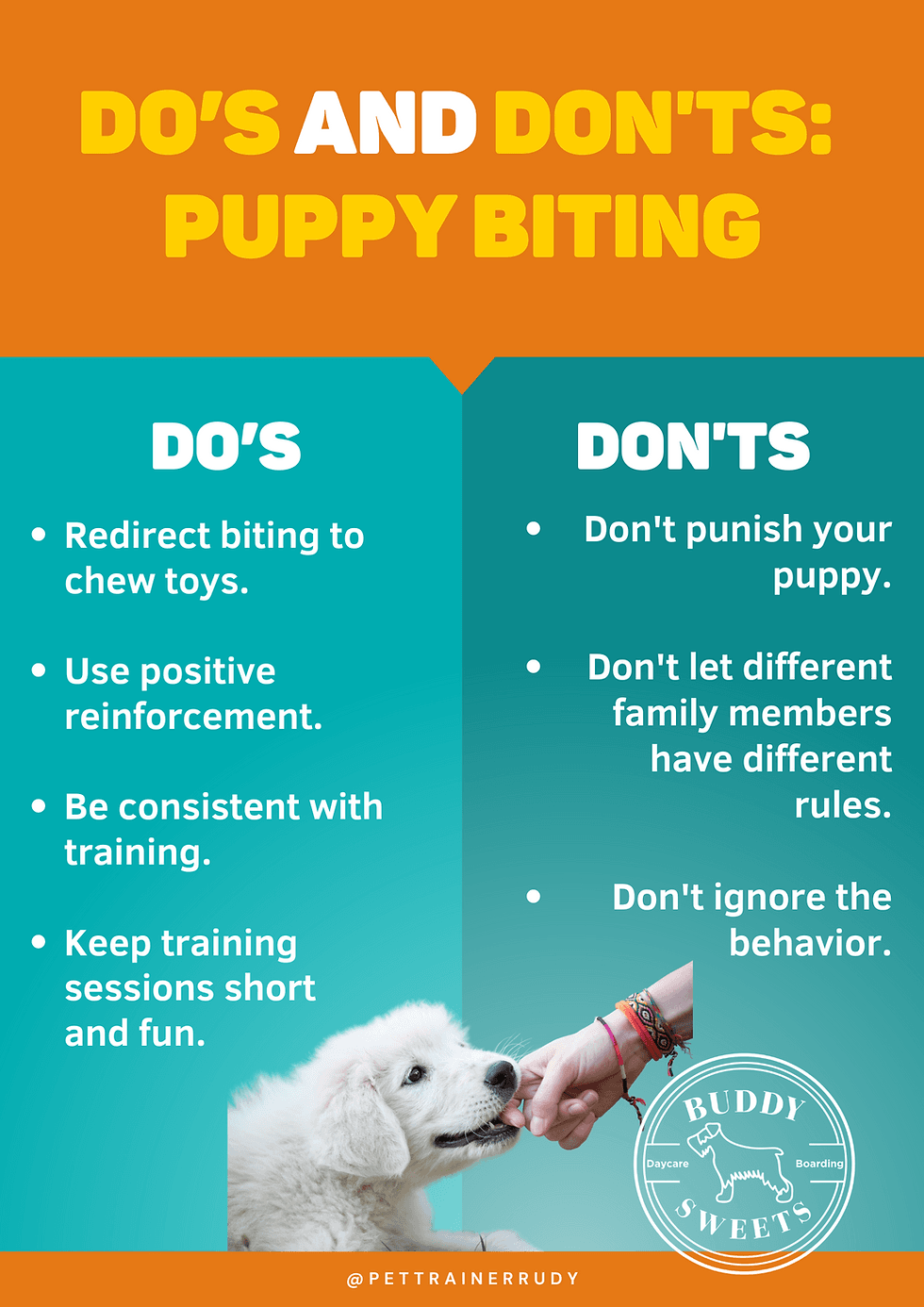
When searching for “Dog Bite Training Near Me,” you’re likely facing a challenging situation. Dealing with a dog that has bitten is stressful, and finding the right professional help is crucial for both your dog’s well-being and the safety of those around them. This guide will help you navigate the process of finding effective dog bite training, understanding the complexities involved, and what to expect from reputable trainers.
Understanding Dog Biting Behavior
Before diving into training options, it’s important to understand why dogs bite. Biting is a natural behavior for dogs, but it can be triggered by various factors. It’s rarely an act of malice; instead, it’s often a communication tool when a dog feels threatened, scared, in pain, or overly aroused.
- Fear or Anxiety: A dog might bite if it feels cornered, threatened, or is surprised.
- Pain or Illness: Sudden aggression can be a sign of an underlying medical issue.
- Resource Guarding: Dogs may bite to protect their food, toys, or even their owners.
- Play Aggression: Especially in puppies, rough play can sometimes escalate to nipping or biting.
- Predatory Drive: While less common in typical pet settings, some dogs may exhibit biting behavior towards small, fast-moving objects or animals.
- Lack of Socialization: Dogs not exposed to various people, environments, and other animals during their critical developmental period may react fearfully or aggressively.
It’s vital to consult with a veterinarian first to rule out any medical causes for the biting behavior. Once medical issues are cleared, professional behavioral intervention is key.
What to Look For in a “Dog Bite Training Near Me” Professional
Finding the right trainer is paramount. Not all dog trainers are equipped to handle bite cases. Here’s what you should look for:
- Credentials and Experience: Look for trainers with certifications from reputable organizations, such as the Certification Council for Professional Dog Trainers (CPDT-KA/KSA), the Karen Pryor Academy (KPA), or the International Association of Animal Behavior Consultants (IAABC). Crucially, ensure they have specific experience with aggression and bite cases.
- Methodology: Ethical and effective trainers use positive reinforcement methods. This means rewarding desired behaviors rather than using punishment, force, or intimidation. Aversive tools and techniques can suppress behavior temporarily but often worsen underlying anxiety or fear, potentially leading to more severe bites.
- Assessment Process: A good trainer will conduct a thorough behavioral assessment, which may involve observing your dog in different contexts, discussing your dog’s history, and understanding the specific circumstances of the bite incidents. This assessment helps them create a tailored training plan.
- Clear Communication and Support: The trainer should be able to clearly explain their methods, the training plan, and your role in the process. They should be accessible for questions and provide ongoing support.
- Safety Protocols: For bite cases, safety is non-negotiable. The trainer should have a clear plan for managing your dog safely during training sessions and provide guidance on how to prevent future incidents.
Navigating Training Options
When you search for “dog bite training near me,” you might encounter various service types. Understanding these will help you choose the most appropriate one:
Certified Applied Animal Behaviorists (CAABs) and Veterinary Behaviorists (DACVB)
These professionals have advanced degrees and specialize in diagnosing and treating complex behavioral issues, including severe aggression and biting. They can prescribe medication if necessary and work closely with trainers. This is often the best route for severe bite histories.
Professional Dog Trainers with Bite Work Experience
Many certified trainers specialize in behavior modification. They can address milder forms of aggression or biting related to fear, anxiety, or resource guarding. They focus on modifying the dog’s emotional response and teaching alternative behaviors. If you’re looking for general dog training for anxious dogs near me, they might be a good starting point, but ensure they have specific bite case experience.
Board and Train Programs
While convenient, be cautious with “board and train” programs for bite cases. Ensure the program has a strong reputation for handling aggression, uses positive methods, and provides you with extensive training and follow-up support. A trainer who works with you and your dog in your own environment is often more effective for behavioral issues.
The Role of Positive Reinforcement in Bite Training
Positive reinforcement training focuses on building a strong, trusting relationship between you and your dog. For bite cases, this approach is crucial because it addresses the underlying emotions driving the behavior.
- Building Confidence: Positive methods help dogs feel more secure and less reactive.
- Teaching Alternative Behaviors: Instead of just saying “no,” trainers teach dogs what to do in triggering situations (e.g., to move away, look at you, or engage in a calm behavior).
- Managing the Environment: A key part of training involves managing your dog’s environment to prevent bites while training is ongoing. This might include using crates, baby gates, or leashes to ensure safety.
- Desensitization and Counter-Conditioning: These are advanced techniques used to change a dog’s emotional response to triggers. For example, if a dog is reactive to strangers, a trainer might gradually expose them to people at a distance where they are comfortable, pairing the sight of people with high-value rewards.
What to Expect During Training
A typical training program for a dog that has bitten will involve several stages:
- Initial Consultation and Assessment: The trainer will meet with you and your dog to understand the history, observe your dog’s behavior, and determine the root cause of the biting.
- Behavior Modification Plan: Based on the assessment, the trainer will develop a personalized plan. This plan will outline specific exercises, management strategies, and your role in the training process.
- Training Sessions: These sessions will focus on implementing the plan. They may involve one-on-one work with the trainer, guided practice for you, and possibly supervised interactions. You might learn techniques similar to those used in k9 elite dog training, but specifically tailored to address aggression.
- Owner Education: A significant part of the training involves educating you on canine body language, trigger identification, and how to manage your dog’s environment and reactions effectively.
- Ongoing Support and Follow-up: Behavioral modification is a process. Expect the trainer to provide follow-up sessions and be available for support as you and your dog progress. Some facilities offer training class for dogs, but for bite cases, private sessions are usually more appropriate initially.
Preventing Future Incidents
Successful training doesn’t just stop the biting; it aims to prevent it from happening again. This requires ongoing commitment from you:
- Continued Management: Always be aware of your dog’s triggers and manage their environment accordingly.
- Consistent Training: Continue practicing the techniques and behaviors taught by the trainer.
- Recognizing Early Warning Signs: Learn your dog’s subtle cues that indicate stress or discomfort (lip licking, yawning, whale eye, stiffening) and remove them from the situation before they escalate.
- Education and Community: Understanding canine behavior and connecting with resources like “Dog Care Story” can provide ongoing support and knowledge. You might also find resources for tops dog training grayslake or dog training quincy ma helpful for understanding broader training principles.
When to Seek Professional Help Immediately
If your dog has bitten someone, especially if the bite broke the skin or was severe, you should:
- Seek Veterinary Care: For the person bitten, and consult your vet for your dog’s health.
- Contact a Qualified Professional: Look for professionals specializing in aggression and bite cases.
- Follow Legal and Local Regulations: Be aware of any local leash laws or reporting requirements related to dog bites.
Addressing a dog bite incident is a serious undertaking. By thoroughly researching and choosing a qualified professional who uses positive, science-based methods, you can work towards a safer and more harmonious life with your canine companion. Remember, understanding the root cause and implementing consistent, compassionate training are the cornerstones of successful rehabilitation.
