
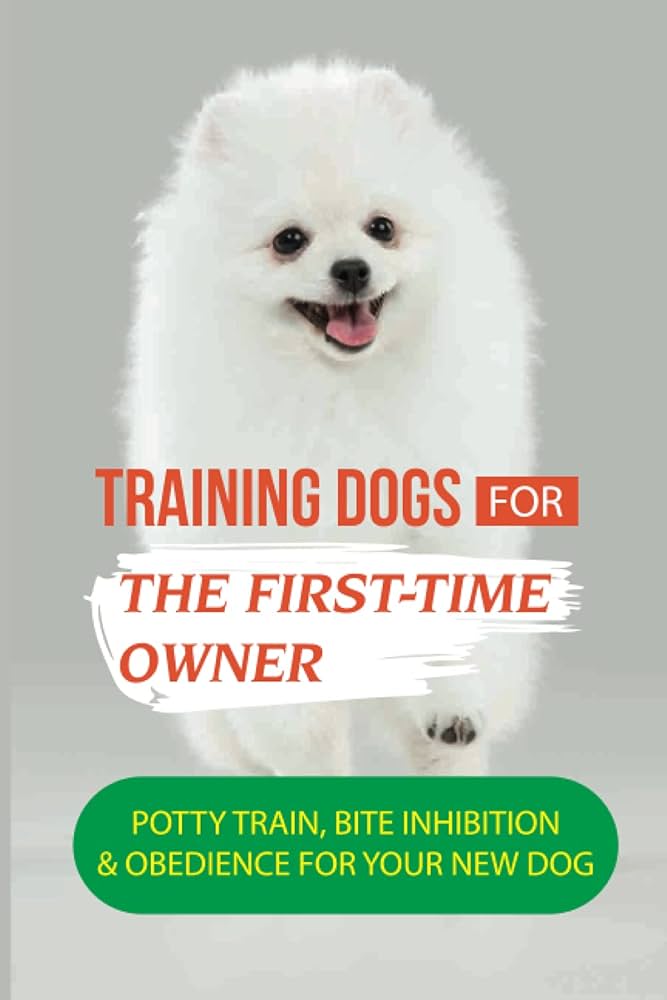
Teaching your puppy Dog Bite Inhibition Training is one of the most crucial early lessons you can provide. It’s not about stopping play-biting entirely, but about teaching your dog to control the pressure of their bite. This skill is vital for preventing accidental injuries to humans and other animals, and for ensuring your dog can navigate social situations safely and politely. From a puppy’s perspective, mouthing and nipping are natural behaviors used for exploration, communication, and play. Our goal isn’t to punish these instincts but to redirect and shape them into a more acceptable form. By understanding the process and applying consistent techniques, you can effectively guide your canine companion to develop a gentle mouth.
Understanding Puppy Nipping and Its Purpose
Puppies explore the world with their mouths, much like human babies use their hands. Mouthing and nipping are how they learn about textures, objects, and social interactions. In littermates, this play-biting is a critical part of developing bite inhibition. When one puppy bites another too hard during play, the bitten puppy yelps and stops playing. This immediate feedback teaches the biting puppy to moderate their pressure. If this process is interrupted, for instance, when puppies are separated from their litter too early, they may not learn this crucial lesson naturally. This is where dog bite inhibition training becomes essential for owners.
The Core Principle: Teaching Bite Pressure Control
The fundamental concept behind dog bite inhibition training is to teach your dog how much pressure is too much. This is achieved through a process of gentle correction and reinforcement. When your puppy plays with you, their mouth is a tool they use to interact. Every time they bite down, even lightly, you need to provide feedback. The goal is to create a clear association: biting too hard stops the fun, while gentler mouthing is acceptable. This method respects their natural play style while instilling crucial control.
Step-by-Step Guide to Bite Inhibition Training
- Start Early: Begin dog bite inhibition training as soon as your puppy comes home. The younger they are, the more receptive they will be to learning.
- Play and React: Engage in gentle play with your puppy using your hands or soft toys. As they play, they will inevitably nip or mouth your hands.
- The “Ouch!” Method: The moment your puppy’s teeth touch your skin with any significant pressure, let out a sharp, high-pitched “Ouch!” or “Yelp!” This mimics the reaction of a littermate.
- Withdraw: Immediately after the “Ouch!”, withdraw your hand and briefly stop all play for about 10-20 seconds. This teaches them that hard biting leads to the end of interaction.
- Resume Play Gently: After the short break, resume play, but encourage softer mouthing. If they go back to biting too hard, repeat the “Ouch!” and withdrawal process.
- Gradual Pressure Reduction: Over time, as your puppy learns to associate harder bites with play stopping, you can begin to reduce the pressure required to elicit the “Ouch!” and withdrawal. This encourages them to be increasingly gentle.
- Use Toys: Always redirect your puppy to appropriate chew toys. If they start to mouth your hands, offer them a toy instead. Praise them when they engage with the toy.
What to Do When Your Puppy Bites Too Hard
When your puppy’s bite feels too strong, it’s crucial to react consistently. The “ouch” method is effective, but if your puppy gets overly excited or doesn’t respond, you might need to take a slightly different approach.
Avoiding Over-Excitement
Some puppies, especially highly energetic ones, may interpret the “ouch” as part of the game and become even more excited. In such cases, a calm withdrawal is more effective.
- Calm Withdrawal: Instead of a sharp yelp, simply say “Too hard” in a calm voice and immediately stop playing. Remove your hand and turn away for 20-30 seconds. This non-reactive approach can be more effective for sensitive or easily overstimulated puppies.
- Redirect to a Toy: If the mouthing continues, immediately offer an appropriate chew toy. Praise them enthusiastically when they chew on the toy. This reinforces the idea that toys are for chewing, not hands.
The Importance of Consistency
Consistency is the cornerstone of successful dog bite inhibition training. Every member of the household must follow the same rules and reactions. If one person allows hard nipping while another corrects it, the puppy will become confused, hindering their learning process. This unwavering approach ensures that your puppy understands the boundaries clearly and quickly. You can find more about step by step dog training that emphasizes consistent methods.
When to Seek Professional Help
While most puppies can learn bite inhibition with patient and consistent training at home, some situations may require professional assistance. If your puppy exhibits excessive aggression, fear-based biting, or if your efforts to teach bite inhibition seem to have no effect, consult a qualified professional.
Signs You Might Need a Trainer
- Aggression vs. Play-Biting: It’s important to distinguish between playful nipping and actual aggression. Aggressive behavior often involves growling, snarling, stiff body language, or lunging with intent to harm.
- Lack of Progress: If you’ve been consistently applying dog bite inhibition training for several weeks with no noticeable improvement, a trainer can assess the situation and provide tailored advice.
- Fear or Anxiety-Based Biting: Some puppies bite out of fear or anxiety. This type of biting requires a different approach, often focusing on building confidence and desensitization, which a professional can guide you through.
- Owner Overwhelm: If you’re feeling overwhelmed or unsure about how to proceed, a professional can offer support and practical demonstrations. Exploring petsmart training classes for dogs or dog obedience training classes petco can be beneficial for hands-on learning.
A professional trainer can also introduce more advanced techniques if needed, such as using a dog training bite suit for specific scenarios or supervised bite work, though this is typically reserved for working dogs and not pet companions. Understanding the best age to train dog can also help in tailoring your training approach.
Beyond Puppyhood: Maintaining Gentle Mouth Habits
Dog bite inhibition training isn’t a one-time lesson; it’s a foundation that needs reinforcement throughout a dog’s life. As dogs mature, their play style may change, and it’s important to continue monitoring their behavior.
- Continue Gentle Play: Even adult dogs can sometimes get overly excited. Continue to use the “ouch” method or a calm withdrawal if they bite too hard during play.
- Supervise Interactions: Always supervise interactions between dogs and young children, or unfamiliar dogs. While your dog may have learned bite inhibition, unexpected situations can arise.
- Positive Reinforcement: Regularly reward your dog for gentle behavior. If they interact softly with you or others, offer praise and positive attention. This reinforces the desirable behavior and strengthens your bond.
Conclusion: Building a Safer, Happier Relationship
Effective dog bite inhibition training is more than just a behavioral modification; it’s an investment in a safer, more harmonious relationship with your canine companion. By teaching your dog to control the pressure of their mouth, you are equipping them with a vital life skill that protects both them and those around them. Patience, consistency, and positive reinforcement are your greatest allies in this journey. Embrace the process, celebrate the small victories, and enjoy the rewarding experience of raising a well-behaved, gentle-mouthed dog. This foundational training paves the way for a lifetime of trust and companionship.
