
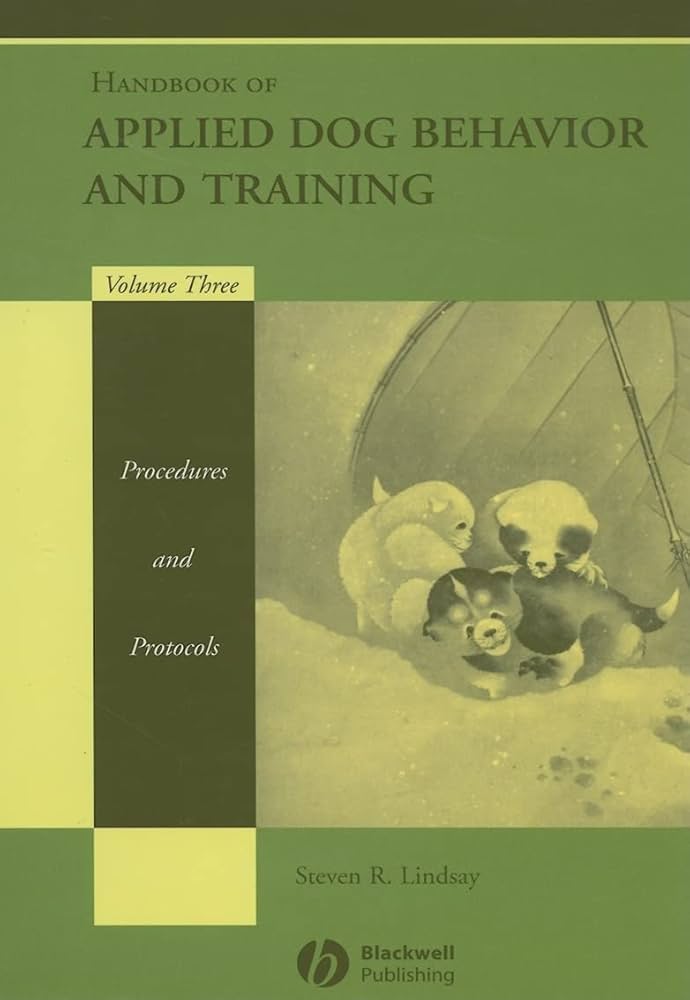
Embarking on the journey of dog ownership is incredibly rewarding, but it also comes with the responsibility of understanding your canine companion’s unique needs and behaviors. One of the most effective ways to foster a strong bond and ensure a well-behaved dog is through knowledge. This is where Dog Behavior Training Books become invaluable resources, offering insights into why dogs act the way they do and providing practical strategies for training. Whether you’re a new owner or looking to refine your skills, these books can be your guide to a happier, healthier relationship with your dog.
The Science Behind Canine Behavior
Before diving into training techniques, it’s essential to grasp the fundamental principles of dog behavior. Dogs are complex social animals with innate instincts shaped by their ancestral past. Understanding these instincts, such as pack mentality, territoriality, and prey drive, is key to interpreting their actions. Dog behavior training books often delve into the ethology of dogs, explaining concepts like dominance, submission, and communication through body language. For instance, a wagging tail doesn’t always signify happiness; it can also indicate excitement, anxiety, or even aggression depending on the context and other accompanying body cues. Learning to read these subtle signals is the first step toward effective training and addressing behavioral issues.
Understanding Canine Communication
Dogs communicate in a variety of ways, primarily through body language, vocalizations, and scent. Body language is perhaps the most crucial aspect to understand. Features like ear position, tail carriage, posture, and facial expressions convey a wealth of information about a dog’s emotional state. For example, a dog with a relaxed posture, soft eyes, and a loosely wagging tail is generally content, while a stiff body, forward-pricked ears, and a high, fast wag could signal arousal or agitation. Vocalizations, such as barking, growling, and whining, also play a role, but their meaning is highly dependent on the pitch, tone, and context. Scent marking is another vital communication channel for dogs, used for territory, identification, and social signaling. Comprehensive dog behavior training books will dedicate significant sections to deciphering these complex communication methods, helping owners become more attuned to their dog’s needs and intentions.
The Role of Genetics and Environment
A dog’s behavior is a product of both its genetic predisposition and its environment. Certain breeds are naturally inclined towards specific behaviors due to their historical roles. For example, herding breeds may exhibit herding instincts towards children or other pets, while terriers might have a strong prey drive. However, genetics are not destiny. Environmental factors, including socialization, training, and life experiences, play a profound role in shaping a dog’s behavior. Early socialization, exposing puppies to various sights, sounds, people, and other animals in a positive way, is critical for developing a well-adjusted adult dog. Conversely, negative experiences or a lack of proper guidance can lead to behavioral problems. Books on dog behavior training often emphasize the importance of a stimulating and positive environment in conjunction with consistent training.
Effective Dog Training Methodologies
Once you understand the “why” behind your dog’s actions, you can move on to the “how” of training. The world of dog training has evolved significantly, moving away from harsh, punishment-based methods towards more humane and scientifically-backed positive reinforcement techniques. Dog behavior training books are excellent resources for exploring these different methodologies and finding what works best for you and your dog.
Positive Reinforcement: The Gold Standard
Positive reinforcement is widely considered the most effective and ethical approach to dog training. It involves rewarding desired behaviors to increase the likelihood they will be repeated. Rewards can include treats, praise, toys, or even a good petting session. The key is to make the reward meaningful to the dog and to deliver it immediately after the desired behavior occurs. This creates a clear association in the dog’s mind between the action and the positive outcome. Many books dedicated to dog behavior training focus heavily on positive reinforcement, offering step-by-step guides for teaching basic obedience commands, as well as addressing more complex behavioral issues. This method not only builds a strong foundation of trust but also makes training a fun and engaging experience for both dog and owner.
Understanding Operant and Classical Conditioning
Positive reinforcement is a type of operant conditioning, a learning process where behavior is modified by its consequences. In operant conditioning, there are four main quadrants: positive reinforcement (adding something good), negative reinforcement (removing something bad), positive punishment (adding something bad), and negative punishment (removing something good). Responsible dog behavior training books will explain these concepts and advocate for the use of positive reinforcement and negative punishment, while strongly cautioning against positive punishment and the often misunderstood negative reinforcement, which can lead to fear and anxiety in dogs. Classical conditioning, on the other hand, involves associating a neutral stimulus with an unconditioned stimulus to elicit a response. For example, a dog might associate the sound of a treat bag (neutral stimulus) with receiving a treat (unconditioned stimulus), eventually salivating at the mere sound of the bag. Understanding these learning principles helps in designing effective training programs.
Addressing Common Behavioral Issues
Many dog owners seek out dog behavior training books to help resolve common problems such as excessive barking, chewing, house-soiling, separation anxiety, and aggression. These books typically offer a problem-solving approach, first helping owners identify the root cause of the behavior and then providing targeted strategies. For instance, separation anxiety might stem from a dog’s over-attachment to its owner and fear of being left alone. Solutions might involve gradual desensitization, creating a safe den environment, and ensuring the dog has sufficient physical and mental stimulation. Aggression is a more complex issue that requires careful handling, and reputable books will stress the importance of consulting with a professional dog trainer or veterinary behaviorist. The goal is always to address the underlying cause of the behavior rather than simply suppressing the symptom.
Finding the Right Dog Behavior Training Books
With a plethora of resources available, selecting the right dog behavior training books can be a daunting task. However, by considering a few key factors, you can find materials that align with your training philosophy and your dog’s specific needs.
What to Look for in a Good Book
When choosing a book, look for authors who are certified professional dog trainers (CPDT-KA, KSA), veterinary behaviorists, or reputable animal behaviorists. Their expertise lends credibility to the information presented. Prioritize books that advocate for positive reinforcement methods, as these are generally considered the most humane and effective. The book should offer clear, step-by-step instructions, practical examples, and address a wide range of common behaviors and training scenarios. A good book will also explain the “why” behind the training techniques, helping you understand canine psychology. Some excellent resources offer detailed guidance on puppy development, while others focus on advanced training or specific behavioral challenges. It’s also beneficial if the book is well-organized, easy to read, and provides actionable advice that you can implement immediately.
Popular and Highly Recommended Titles
Several authors and books have become staples in the dog training community. For foundational knowledge on positive reinforcement and understanding dog psychology, consider works by Patricia McConnell, Sophia Yin, and Karen Pryor. Books like “The Culture Clash” by Jean Donaldson offer deep dives into canine behavior and training theory. For practical, step-by-step training guides, “Zak George’s Dog Training Revolution book” is a modern classic, known for its engaging approach and comprehensive coverage of everything from puppy basics to advanced tricks. Similarly, books like “The Art of Raising a Puppy” by the Monks of New Skete provide insights into early puppy development, although it’s worth noting that some of their earlier recommendations have been updated by newer research. Resources focusing on specific issues, such as “Don’t Shoot the Dog” by Karen Pryor, offer profound insights into the science of behavior and learning that can be applied to dogs and humans alike. Exploring different authors and their approaches can provide a well-rounded education in dog behavior and training.
The Lifelong Learning Process
Training and understanding your dog is not a one-time event; it’s a continuous process that evolves as your dog grows and matures. Dog behavior training books serve as excellent starting points and ongoing references. As your dog encounters new situations or develops new habits, revisiting these resources can provide fresh perspectives and solutions. Furthermore, staying updated with the latest research in canine behavior and training is crucial, as the field is constantly advancing. Engaging with online communities, attending workshops, and seeking advice from qualified professionals can further enhance your understanding and skills.
Continuous Socialization and Training
Even after mastering basic obedience, continued socialization and training are vital for maintaining a well-adjusted dog. Exposing your dog to new environments, people, and other well-behaved dogs throughout their lives helps prevent fear-based reactions and keeps their minds sharp. Regular training sessions, even short ones, reinforce learned behaviors and strengthen the bond between you and your dog. This consistent effort is key to preventing the re-emergence of unwanted behaviors and ensuring your dog remains a confident and happy member of your family.
Adapting to Your Dog’s Life Stages
A puppy’s training needs differ significantly from those of an adolescent or senior dog. Puppyhood is critical for socialization and establishing foundational behaviors. Adolescence can be a challenging phase marked by testing boundaries and increased independence. Senior dogs may require modified training approaches due to physical limitations or age-related cognitive changes. Dog behavior training books often provide guidance tailored to different life stages, helping owners navigate these transitions effectively. Understanding and adapting your training methods to suit your dog’s developmental stage is essential for long-term success.
Conclusion: Building a Stronger Bond Through Knowledge
Investing time in reading and applying the knowledge from dog behavior training books is one of the most profound ways to enhance your relationship with your canine companion. By understanding their behavior, employing effective training techniques, and committing to lifelong learning, you can build a partnership based on trust, respect, and mutual understanding. These books empower you with the tools and insights needed to address challenges, celebrate successes, and truly unlock the potential of your dog, transforming everyday interactions into meaningful moments of connection. Ultimately, the journey of understanding your dog is a continuous story, and the right books are your essential chapters.
