
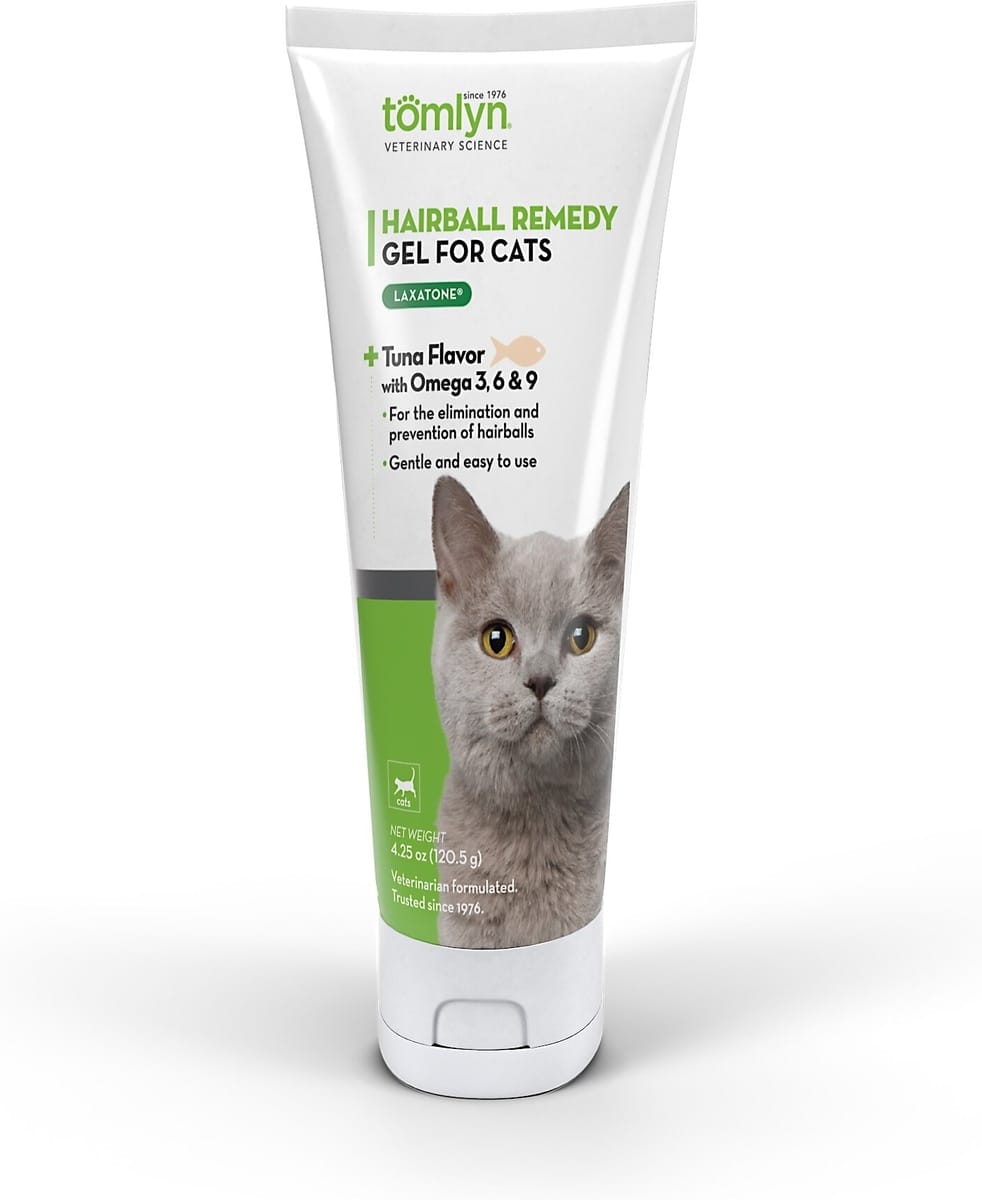
As a devoted pet owner, discovering your dog has ingested a cat hairball remedy can be a moment of panic. It’s natural to worry about the potential impact on your canine companion’s digestive system and overall well-being. However, staying calm is the first crucial step as we navigate this situation together.
Most feline hairball remedies are formulated with ingredients such as petroleum jelly, mineral oil, or fiber. While these components are generally not considered toxic to dogs, even in small amounts, they can sometimes lead to mild gastrointestinal upset. The good news is that many dogs can process these substances without experiencing any significant issues. Nevertheless, close observation of your pet for any immediate adverse reactions is essential.
Monitoring Your Dog for Adverse Reactions
After your dog has ingested a cat hairball remedy, it’s important to be vigilant. The primary symptoms to watch for include vomiting and diarrhea. These are common reactions to ingesting something unusual or that your dog’s digestive system isn’t accustomed to. Additionally, pay attention to any changes in your dog’s behavior. Lethargy, loss of appetite, or unusual restlessness could indicate that something is amiss.
Potential Ingredients and Their Effects
The common ingredients in hairball remedies are designed to lubricate the digestive tract and help cats pass hairballs more easily. For dogs, these same ingredients can have a similar effect. Mineral oil and petroleum jelly, for instance, are laxatives. In a dog, this could lead to diarrhea as the body tries to expel the substance quickly. Fiber-based remedies might cause temporary digestive discomfort or changes in stool consistency.
It is important to note that while most ingredients are not inherently toxic, the sheer quantity ingested can sometimes be a factor. If your dog consumed a very large amount of the hairball medicine, this increases the likelihood of more pronounced symptoms.
When to Seek Veterinary Advice
While many dogs will recover without issue, there are specific circumstances when consulting a veterinarian is highly recommended. If you observe severe vomiting or diarrhea, or if these symptoms persist for an extended period, professional medical advice is necessary. Likewise, if your dog exhibits significant behavioral changes, such as extreme lethargy or distress, do not hesitate to contact your vet.
For situations where you are unsure about the severity of the issue or if symptoms appear to be worsening, professional guidance is invaluable. Services like Dial A Vet offer consultations with licensed veterinarians that can provide personalized advice tailored to your dog’s specific situation. Booking a consultation can offer peace of mind and ensure your dog receives the appropriate care if needed.
Frequently Asked Questions
What symptoms should I watch for after my dog eats a hairball remedy?
Keep an eye out for vomiting, diarrhea, or any changes in behavior such as lethargy or loss of appetite. If you observe any of these symptoms, contact your veterinarian.
Can a hairball remedy be toxic to dogs in large amounts?
While most ingredients are considered safe and not acutely toxic, consuming large quantities can lead to significant stomach upset, including vomiting and diarrhea. If your dog ate a substantial amount, it’s always best to get in touch with your vet for guidance.
How long before I’ll see symptoms of distress in my dog?
Symptoms, if they occur, can typically manifest within a few hours after ingestion. It is crucial to monitor your dog closely during this period. If any concerning signs appear, seek veterinary help promptly.
This situation, while worrying, is often manageable with careful observation and timely professional consultation if necessary. By understanding the potential effects and knowing when to seek help, you can ensure your dog’s health and well-being.
