
Keeping your dog protected from fleas and ticks is essential for their health, significantly reducing the risk of various diseases. flea and tick prevention. However, it’s critical to administer these medications correctly to prevent toxicity. While highly effective against parasites, the very substances that harm fleas and ticks can also be dangerous to your dog if ingested in large amounts or applied improperly.
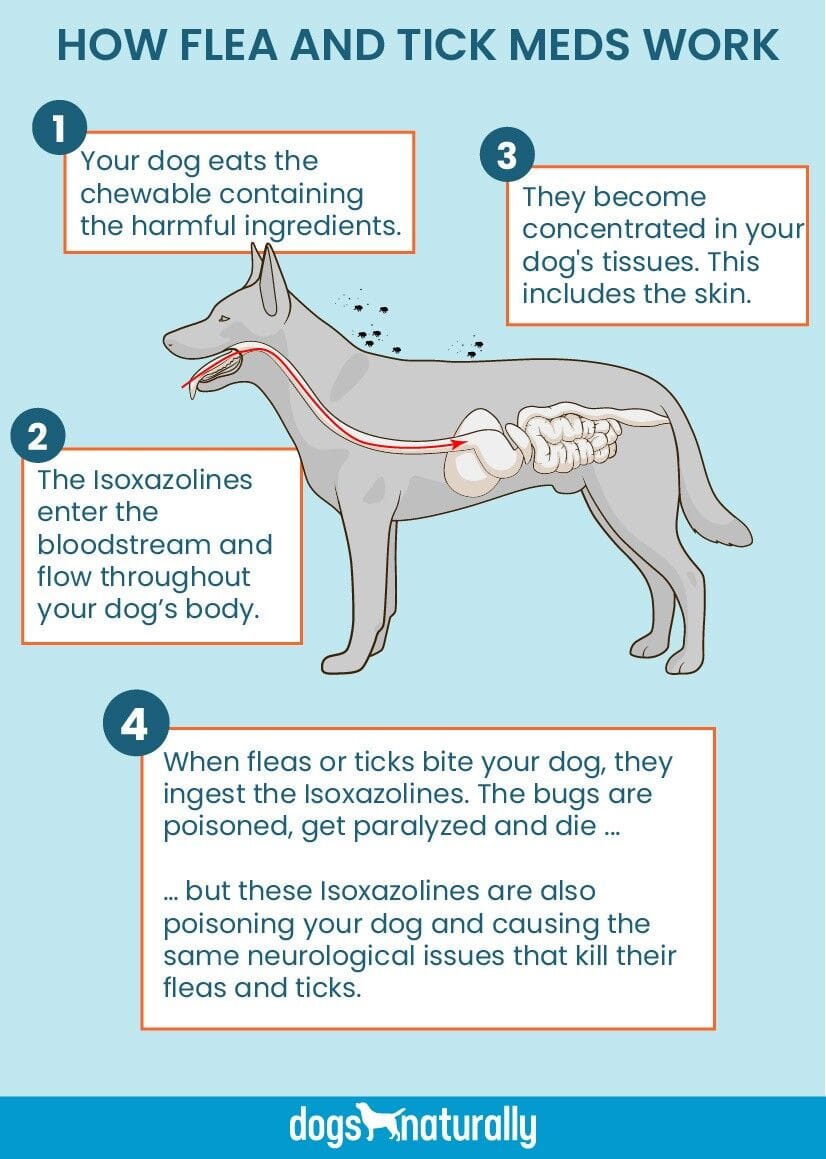
The active ingredients in many common flea and tick preventatives include naturally derived pyrethrins, synthetic pyrethroids, and newer drugs like isoxazolines, which were among the first oral options available for flea and tick control. These medications are generally safe when used as directed and at the appropriate dosage. However, dogs can also be exposed to toxic levels through contact with or ingestion of household insecticides, such as sprays, foggers, and granules.
Common brands containing pyrethrins/pyrethroids include Adams™ products, among others. The isoxazoline class of drugs is found in numerous other preventive products. It’s important to remember that many generic and brand-name medications contain these ingredients, so always check the product label.
Symptoms of Flea and Tick Medicine Poisoning
Toxicity from flea and tick preventatives can manifest in a range of symptoms, which may appear as quickly as 15 minutes or up to several hours after exposure. These signs can include:
- Vomiting
- Diarrhea
- Drooling
- Tremors
- Vomiting
- Lethargy
- Loss of coordination
- Muscle twitching
- Seizures
- Difficulty breathing
- Increased heart rate
- Elevated body temperature
If you suspect your dog is experiencing toxic side effects from pyrethrins, pyrethroids, or isoxazolines, contact your veterinarian, the ASPCA Poison Control, or the Pet Poison Helpline immediately. Prompt advice can be crucial for potentially life-saving treatment. In severe cases, immediate emergency veterinary care is necessary.
Causes of Flea and Tick Medicine Poisoning
Accidental poisoning usually occurs due to misuse of flea and tick preventatives or through the accidental ingestion or absorption of insecticides. Before administering any medication, always verify the correct drug, dosage, and product size. Ensure the appropriate time has passed since the last dose and that another family member hasn’t already administered it. Avoid using expired medications or cutting larger doses into smaller pieces.
Crucially, never use a product labeled for cats on your dog, or vice versa. If the product is labeled for cats, do not give it to your dog—or vice versa. While not all products may cause toxic symptoms due to varying drug concentrations, consult your veterinarian immediately if you notice any unusual reactions.
Veterinary Diagnosis of Flea and Tick Medicine Poisoning
A veterinarian will typically make a presumptive diagnosis based on a physical examination and a known or suspected history of exposure to pyrethrin, pyrethroid, or flea/tick medication ingestion. A presumptive diagnosis means the vet has strong reason to suspect the cause but cannot confirm it with a specific test. Blood work and urine tests may be performed to rule out other potential health issues.
Treatment for Flea and Tick Medicine Poisoning
Treatment depends on the severity of the toxicity and the symptoms displayed. Care can be provided on an outpatient basis, or hospitalization may be required for supportive care. There is no specific antidote for this type of poisoning.
Initial treatment often involves removing the product by bathing the dog with a liquid dish soap, such as Dawn®, Joy®, or Palmolive®, to remove the greasy residue. Rinsing the mouth with plenty of water, or using a garden hose if necessary, can help flush out any ingested toxins.
For dogs experiencing neurological signs, hospitalization might be necessary to manage and reduce the severity of symptoms, potentially for several days. Supportive care can include:
- Repeated bathing
- Intravenous (IV) fluids
- Anti-nausea medications
- Muscle relaxants
- Seizure medications
Your veterinarian may also monitor your dog’s temperature, blood sugar levels, and kidney function, as these can be impacted by the toxicity.
Recovery and Management
With prompt recognition and early treatment, the prognosis for recovery is generally good. However, if your dog develops neurological issues, kidney problems, seizures, or a significantly elevated body temperature, the prognosis can be poor. Mild adverse reactions, such as excessive drooling, paw flicking, scratching, and ear twitching, often resolve on their own. While drooling might persist for a few days after using a flea control product, most symptoms, from mild to severe, typically improve within a few days.
Prevention of Flea and Tick Medicine Poisoning
To prevent accidental exposure, meticulously follow all directions on flea and tick preventatives and insecticides. Ensure your dog receives only their prescribed medication, as flea and tick preventatives are dosed according to body weight. Avoid administering multiple medications simultaneously, as this can lead to accidental overdose and potential interactions with other drugs. Always discuss the risk of drug interactions with your veterinarian.
Never use a portion of a larger dose or multiple smaller doses, as this increases the risk of overdose and poisoning. If you are ever in doubt about the correct dosage, consult your veterinarian for proper administration.
