
As pet parents, we often encounter situations where our beloved dogs experience stress and anxiety. While some anxieties, like separation anxiety, are chronic, many are temporary and situational, triggered by events such as thunderstorms, fireworks, or holiday gatherings. In these moments, it’s natural to seek quick solutions, and sometimes this leads to considering medications from our own medicine cabinets. A common question that arises is whether Benadryl, a common over-the-counter human medication, can be safely and effectively used to calm dogs. Dog care story delves into this topic to provide clarity for concerned pet owners.
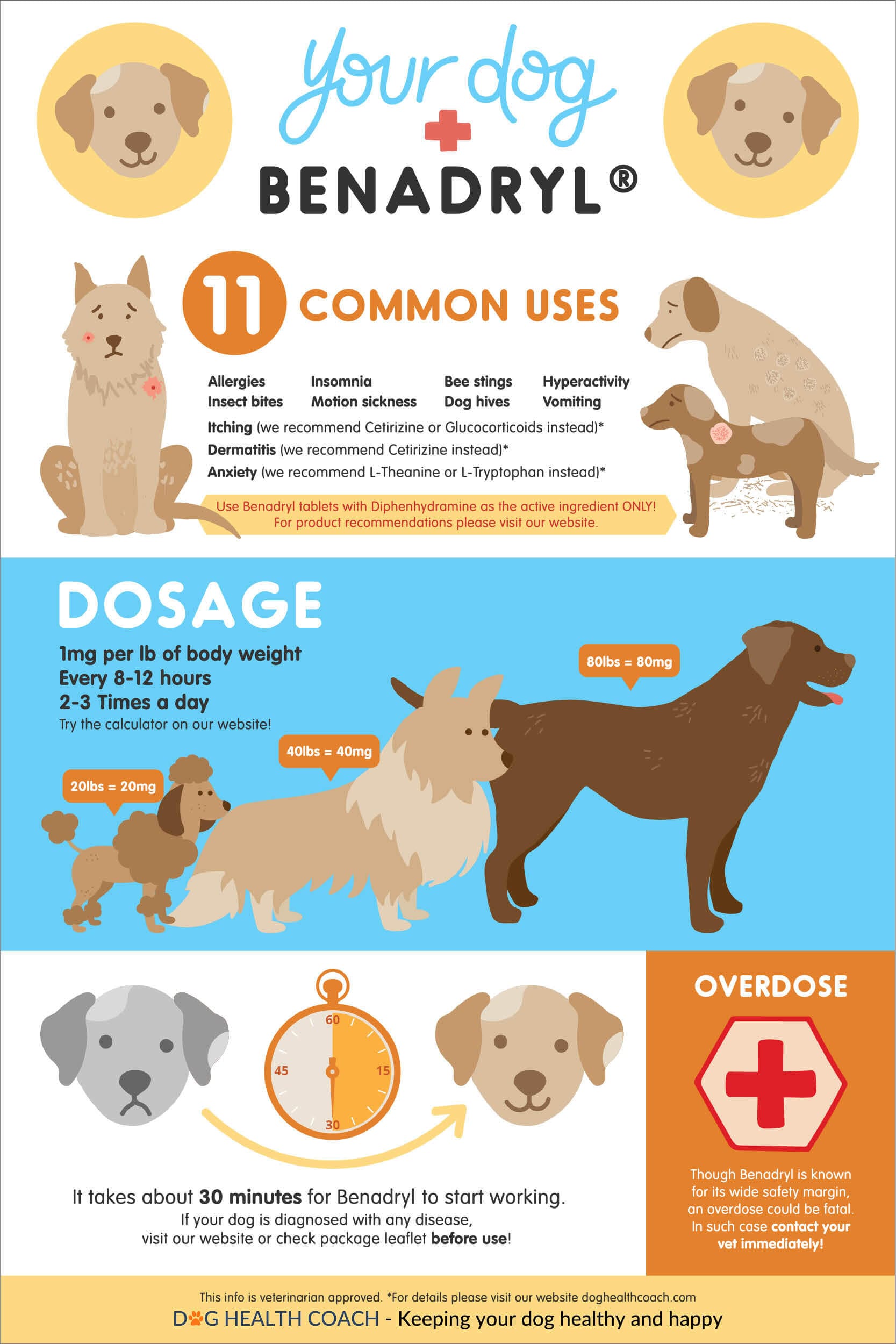
Benadryl, known generically as diphenhydramine, is an antihistamine primarily used to treat allergic reactions in both humans and dogs. It’s effective for alleviating symptoms associated with environmental allergies, insect bites, bee stings, and even preventing reactions to vaccinations. Occasionally, it may offer mild relief for motion sickness, though its efficacy for this purpose is limited.
However, when it comes to using Benadryl for dog anxiety, the situation is more complex. While you might have heard that Benadryl can act as a sedative to calm dogs during stressful events like travel, fireworks, or thunderstorms, its effects on dogs are not as pronounced as they are in humans. The sedative effects are generally mild, and therefore, Benadryl is not commonly considered a primary solution for dogs struggling with significant anxiety or phobias.
Understanding Benadryl’s Limitations for Dog Anxiety
The effectiveness of Benadryl for calming anxious dogs is often overstated. While it might help with minor situational unease, it is not a robust solution for deep-seated anxiety or phobias. It’s crucial to understand that Benadryl’s primary function is as an antihistamine, and its sedative properties are a secondary effect that varies greatly between individuals. For a dog experiencing severe fear or distress, Benadryl alone is unlikely to provide sufficient relief.
Effective Alternatives for Managing Dog Anxiety
Given Benadryl’s limited impact on canine anxiety, it’s wise to explore alternative strategies. Working closely with your veterinarian is the best approach to identify the most suitable options based on your dog’s specific triggers and needs. Here are some effective alternatives that may be recommended:
Dog-Appeasing Pheromones (DAP)
Dog-appeasing pheromones, often available as DAP, are synthetic pheromones designed to mimic those naturally released by lactating mother dogs. These can induce a sense of calm and relaxation in dogs, helping to modify anxiety-related behaviors. DAP comes in various forms, including sprays, diffusers that plug into electrical outlets, and collars, offering flexibility for different situations.
Anxiety Vests and Head Halters
Specialized products like dog anxiety vests, which provide gentle, constant pressure, can have a calming effect similar to swaddling an infant. For noise-induced anxieties, mats designed to reduce static electricity might also offer some comfort. Head halters, while primarily training tools, can also offer a greater sense of control and security for some dogs during stressful outings.
Environmental Enrichment and Sound Management
For dogs anxious about noises, creating a calming environment can be beneficial. This can involve playing calming music with a consistent rhythm, such as classical music or even certain genres of pop music with a steady beat. Avoid music with sudden changes in tempo or volume. White noise machines or apps can also help to mask external triggers and provide a soothing background sound. It’s important to play these sounds at a moderate volume, enough to distract but not overwhelm.
Prescription Medications
In cases of significant or persistent anxiety, your veterinarian may prescribe medications specifically designed to manage behavioral issues in dogs. These prescription medications can be highly effective when used as part of a comprehensive treatment plan, often combined with behavioral modification techniques. These medications work by addressing the underlying neurochemical imbalances associated with anxiety.
The Importance of a Calm and Supportive Demeanor
Regardless of the chosen intervention, your own demeanor plays a critical role in managing your dog’s anxiety. It’s essential to avoid punishing your dog for anxious behaviors. Behaviors like destructive chewing, excessive barking, house soiling, pacing, trembling, or hiding are often involuntary responses to fear or stress, not acts of defiance. Punishment will only exacerbate their anxiety and damage your bond. Instead, focus on creating a safe and supportive environment.
When your dog exhibits anxious behaviors, such as:
- Elevated heart rate and panting
- Trembling and pacing
- Loss of bladder or bowel control
- Hiding or attempting to flee
- Physical cues like lowered body, tucked ears and tail, and wide eyes
- Destructive behaviors or excessive vocalization
- Defensive aggression
Remember that your calm, patient, and reassuring presence can significantly help your dog feel more secure. Reward calm behavior and positive responses to situations that previously caused anxiety. A consistent and predictable routine, coupled with positive reinforcement, forms the foundation of a trusting relationship and can greatly alleviate your dog’s stress.
Featured Image: iStock.com/Tetiana Garkusha
