
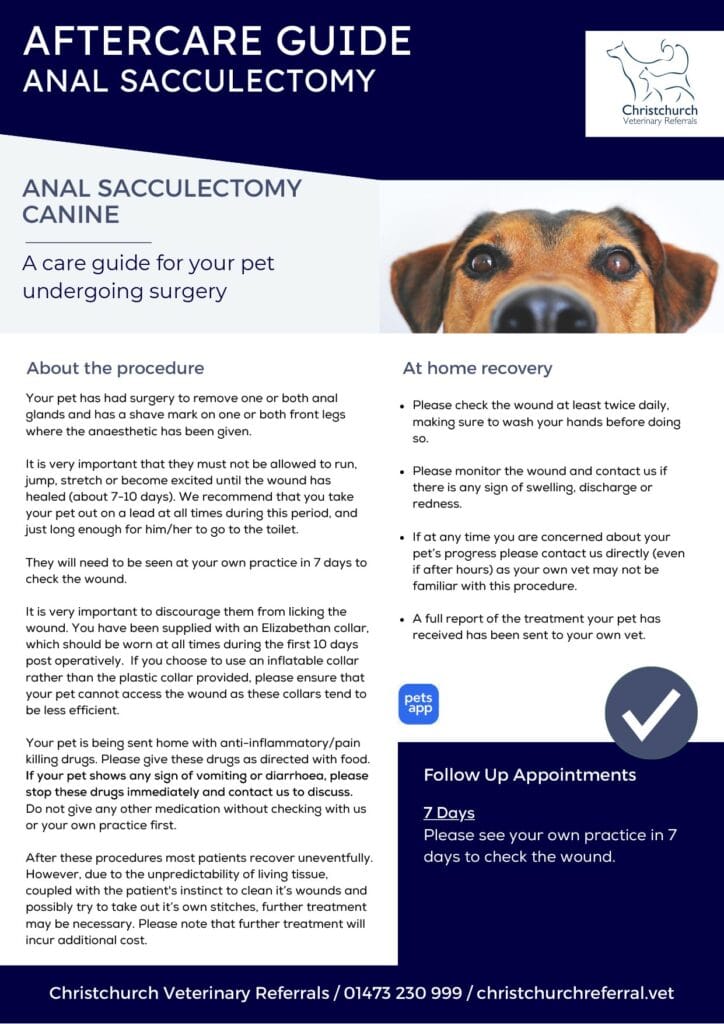
Experiencing your dog’s anal gland removal surgery can be a concerning time, but understanding the recovery process can ease your worries. This guide dives into what typically happens after the procedure, how to support your furry friend’s healing, and what signs to watch for. We aim to provide a comprehensive overview, drawing from common experiences and expert advice to help you navigate this period with confidence.
Understanding Anal Gland Issues and Surgery
Anal glands, also known as anal sacs, are small pouches located on either side of a dog’s anus. They secrete a fluid that dogs use to mark their territory and identify each other. When these glands become impacted, infected, or abscessed, it can cause significant discomfort and pain for your dog.
Why Surgery Might Be Necessary
Several issues can necessitate the removal of anal glands:
- Impaction: When the glands don’t empty properly, they can become overfilled and uncomfortable.
- Infection: Bacteria can infect the impacted fluid, leading to pain, swelling, and discharge.
- Abscess: An infected gland can rupture, forming a painful abscess that requires immediate attention.
- Chronic Issues: Some dogs suffer from recurring problems with their anal glands, making surgical removal a long-term solution.
- Tumors: Though less common, tumors can develop in the anal glands, requiring surgical intervention.
The decision for surgery is usually made after less invasive treatments, like manual expression or antibiotics, have failed or are not suitable for the specific condition.
The Immediate Post-Surgery Period
The first 24-48 hours after your dog returns home are crucial for initial healing and comfort. Your veterinarian will provide specific post-operative instructions, but here are general expectations:
Pain Management
Your dog will likely be prescribed pain medication to manage discomfort. It’s vital to administer these medications exactly as directed. Signs of pain can include reluctance to move, whimpering, licking the surgical site, or changes in appetite and behavior.
The Surgical Site
The surgical area will be tender and may appear red or slightly swollen. You’ll likely notice stitches or surgical glue. It’s essential to prevent your dog from licking, chewing, or scratching the incision. An Elizabethan collar (e-collar or cone) is usually recommended for this purpose.
Activity Restriction
To prevent the incision from reopening or causing further irritation, strenuous activity must be limited. This means no running, jumping, or rough play. Short, controlled leash walks for elimination purposes are generally encouraged.
Diet and Hydration
Your dog might have a reduced appetite immediately after surgery due to anesthesia and discomfort. Offering a bland diet, as recommended by your vet, can help. Ensure fresh water is always available.
The Weeks Following Surgery: Recovery Milestones
Recovery from anal gland removal surgery typically spans several weeks. By understanding the progression, you can better monitor your dog’s healing.
Week 1: Initial Healing and Monitoring
- Incision Care: Continue to monitor the surgical site daily for any signs of infection, such as increased redness, swelling, discharge (especially pus), or a foul odor. A small amount of blood-tinged discharge might be normal initially.
- E-Collar Use: Keep the e-collar on at all times unless specifically instructed otherwise by your vet. This is critical to prevent self-trauma.
- Activity: Strictly enforce leash walks only. Avoid stairs if possible, or assist your dog if necessary.
- Bowel Movements: Monitor your dog’s bowel movements. Some dogs may experience temporary constipation or diarrhea. Report any significant or persistent changes to your vet.
- Medication: Continue all prescribed medications, including pain relievers and any antibiotics.
Week 2-3: Gradual Return to Normalcy
- Incision Healing: By this stage, the incision should be well on its way to healing, with stitches often being removed around this time if they are not dissolvable.
- Increased Activity: Your vet may gradually allow for more activity, but still with caution. Short, leashed walks can become slightly longer.
- Behavioral Changes: As pain subsides, your dog’s normal personality should begin to re-emerge. They may become more active and engaged.
Week 4 and Beyond: Full Recovery
- Resuming Normal Activities: Most dogs are cleared for a full return to their normal exercise routine by this point.
- Long-Term Outlook: With the glands removed, the issues associated with them should be resolved. However, it’s important to remain aware of any changes in your dog’s defecation habits or perianal area.
Supporting Your Dog’s Recovery
Your active involvement is key to a smooth recovery. Here’s how you can help:
Strict Adherence to Veterinary Instructions
This cannot be stressed enough. Follow all medication schedules, activity restrictions, and wound care advice given by your veterinarian precisely.
Preventing Licking and Chewing
The e-collar is your best friend during this period. If your dog is particularly distressed by it, discuss alternatives with your vet, such as surgical suits or inflatable collars, though the traditional e-collar is often the most effective.
Gentle Exercise
Controlled leash walks are essential for maintaining some muscle tone and aiding bowel function without stressing the surgical site. Pay attention to your dog’s cues; if they seem tired or pained, shorten the walk.
Monitoring for Complications
Be vigilant for any signs of complications, which include:
- Excessive redness or swelling at the incision site.
- Pus-like or foul-smelling discharge from the incision.
- Opening of the incision (dehiscence).
- Lethargy or depression that doesn’t improve.
- Loss of appetite for more than 24 hours.
- Vomiting or diarrhea.
- Fever.
If you notice any of these, contact your veterinarian immediately.
Nutritional Support
A high-quality diet supports overall healing. Ensure your dog is eating well and drinking plenty of water. Some vets may recommend a temporary change to a more easily digestible food.
What to Expect Regarding Bowel Movements
Changes in bowel movements are common after anal gland removal.
- Discomfort: Some dogs may be hesitant to defecate due to lingering discomfort in the area.
- Constipation: Pain medication can sometimes lead to constipation. Increased fluid intake and stool softeners (if prescribed by your vet) can help.
- Diarrhea: Anesthesia and post-operative stress can also upset the digestive system, leading to temporary diarrhea.
Regular, formed stools are the goal. If your dog strains excessively, seems constipated for more than a couple of days, or experiences persistent diarrhea, consult your vet.
Long-Term Implications and Prevention
While surgery resolves the immediate anal gland problem, some dogs may be prone to future issues. Regular check-ups with your vet are important. Maintaining a healthy weight and feeding a high-fiber diet can contribute to good anal gland health in general.
The Role of Diet
A diet rich in fiber helps to create larger, softer stools, which can assist in naturally expressing the anal glands during defecation. If your dog has a history of anal gland problems, discuss dietary options with your veterinarian.
Regular Veterinary Check-ups
Annual or semi-annual wellness exams allow your vet to check the perianal area and address any potential issues before they become serious. They can also perform manual expression if needed, though this is less relevant after surgical removal.
Understanding Your Dog’s Behavior
Pay attention to any changes in your dog’s behavior, such as scooting their rear end on the floor, excessive licking of the anal area, or signs of discomfort during defecation. These could indicate a recurrence of anal gland issues or another problem that needs veterinary attention.
Frequently Asked Questions (FAQ)
Q1: How long does it take for a dog to fully recover from anal gland removal?
A1: Full recovery typically takes about 2 to 4 weeks, though most dogs feel significantly better within the first week.
Q2: Will my dog be in a lot of pain after surgery?
A2: Your dog will experience some discomfort, but pain medication prescribed by your vet should keep them comfortable. Monitor for signs of excessive pain and contact your vet if concerned.
Q3: Can my dog lick the incision site?
A3: It’s crucial to prevent licking, as it can lead to infection and delay healing. An Elizabethan collar (cone) is usually necessary for the first 1-2 weeks.
Q4: What should I feed my dog during recovery?
A4: Your vet will likely recommend a bland diet initially. Gradually transition back to their regular food as they recover, focusing on a high-quality, balanced diet.
Q5: When can my dog resume normal activities like playing and running?
A5: This depends on the individual dog and the veterinarian’s assessment. Generally, normal activity can resume around 2-4 weeks post-surgery, but always follow your vet’s specific guidance.
Q6: Are there any long-term side effects of anal gland removal?
A6: In most cases, the surgery resolves the anal gland issue with no significant long-term side effects. Some dogs may experience temporary changes in bowel movements. In rare cases, fecal incontinence could occur, but this is uncommon.
Q7: What if my dog has a bowel movement before the incision is fully healed?
A7: As long as your dog is on leash walks, bowel movements should not directly stress the external incision. If you notice any issues or your dog strains excessively, consult your vet.
Conclusion: A Smoother Path to Recovery
Undergoing anal gland removal surgery is a significant step in ensuring your dog’s health and comfort. By understanding the recovery timeline, diligently following your veterinarian’s advice, and providing a supportive home environment, you can help your canine companion heal effectively. Remember to be patient, observant, and proactive in their care. With your dedication, your dog will soon be back to their happy, healthy self, free from the discomfort of anal gland issues.
