
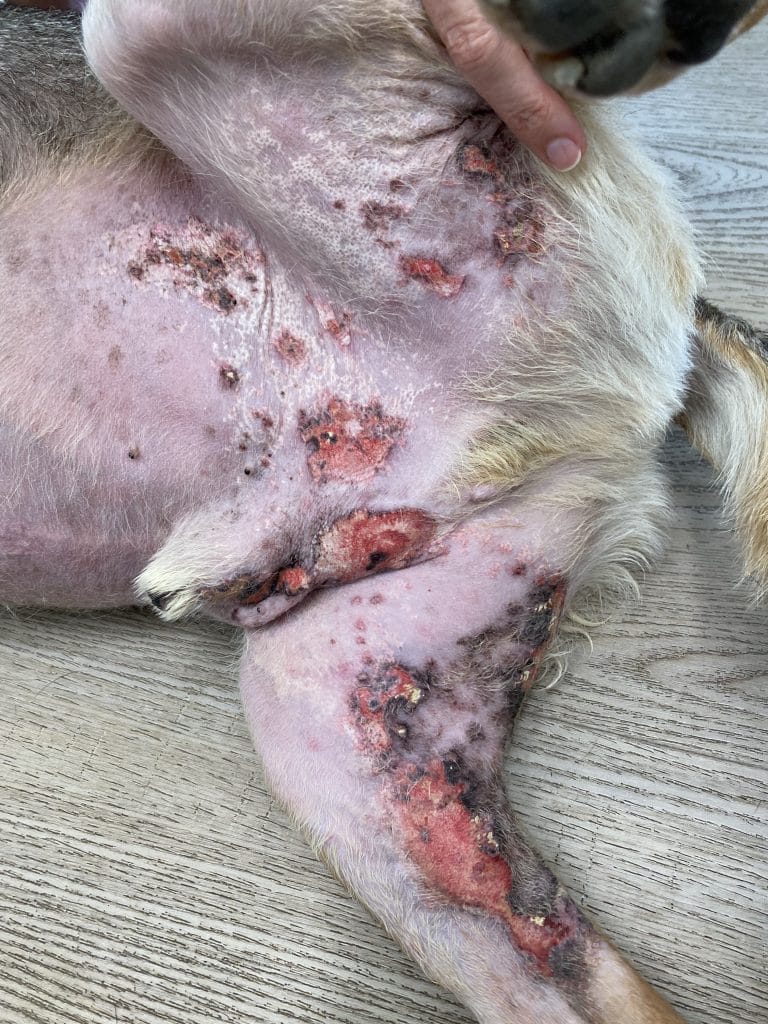
Dogs frequently experience skin issues that can lead to discomfort, characterized by itching, flakiness, crustiness, or moistness. These conditions can also manifest as redness, inflammation, and unpleasant odors, often indicating underlying health problems such as yeast dermatitis or staph infections. Understanding these common ailments is crucial for any dog owner aiming to maintain their pet’s well-being. This article delves into the symptoms, causes, and effective treatment options for bacterial and fungal skin infections in dogs, offering guidance from veterinary experts.
Understanding Yeast Dermatitis and Staph Infection
Yeast Dermatitis, also known as Malassezia dermatitis, is a prevalent cause of skin disease in dogs. The fungus Malassezia pachydermatis is naturally present on a dog’s skin, but an overgrowth can trigger inflammation and dermatitis. This condition often requires long-term management.
Staphylococcal Infection (Staph Infection) is the most common bacterial skin infection in dogs, caused by the bacterium Staphylococcus sp. This infection poses a zoonotic risk, meaning it can be transmitted between dogs and humans, underscoring the importance of good hygiene and prompt treatment. Staph infections can affect a dog’s skin or upper respiratory tract and are treatable with oral antibiotics, antibiotic ointments, and medicated shampoos.
Recognizing the Symptoms of Skin Infections
Symptoms of Fungal Infection (Yeast Dermatitis)
The primary indicators of yeast dermatitis in dogs include:
- Thickened, leathery skin (often described as “elephant skin”)
- Skin that is flaky, crusty, or scaly
- Noticeable redness and persistent itchiness
- A distinct musty odor emanating from the skin
- Recurring or chronic ear infections (otitis externa)
- Hyperpigmentation, leading to darkened skin patches
Symptoms of Staph Infection
Key signs of a staph infection in dogs typically involve:
- Excessive itching, licking, or chewing at the skin
- Infections affecting the eyes, ears, skin, or respiratory system
- Patches of fur loss with peeling, crusty, or moist skin
- Inflamed and red skin
- Apparent pain or discomfort
- The presence of pus-filled lesions on the skin
Uncovering the Causes of Bacterial and Fungal Skin Infections
Both bacteria and fungi reside on a dog’s skin and are usually kept in check by a healthy immune system. However, changes in skin condition or a weakened immune system can allow these microorganisms to proliferate, leading to infections.
Yeast infections are commonly linked to immune deficiencies or an overproduction of oils on the skin. While not typically contagious, yeast infections tend to recur unless the underlying issue, such as allergies, is addressed. Certain breeds are genetically predisposed to yeast infections, including the Lhasa Apso, Poodle, Dachshund, Shetland Sheepdog, West Highland White Terrier, Maltese Terrier, Cocker Spaniel, Basset Hound, Australian Terrier, Silky Terrier, and Chihuahua.
Staph infections often arise when a dog’s skin becomes irritated due to excessive scratching, chewing, or licking. This behavior may stem from allergies to medications, food, environmental factors, or flea bites. Chronic debilitating diseases, other fungal infections, or secondary infections can also predispose a dog to staph infections. While any dog can be affected, older dogs with compromised immune systems are more susceptible.
Diagnosis: Identifying the Culprit
To diagnose a staph infection, a veterinarian will perform a thorough physical examination and may recommend blood work, including a complete blood count, biochemistry profile, and urinalysis. A detailed review of the dog’s medical history and questioning about the onset of symptoms are also critical. Skin tests can help determine if immune-related issues or allergies are contributing to the inflammation. In some cases, a skin biopsy or swab may be necessary to identify the specific bacteria and guide antibiotic selection. Advanced imaging and testing equipment available in veterinary clinics can expedite the diagnostic process.
Effective Treatment Strategies
Treating Yeast Dermatitis
Yeast dermatitis infections are managed with oral or topical treatments, or a combination of both, depending on the severity. These medications are generally effective but require prolonged treatment, often lasting several months. It is important to note that these drugs can potentially affect the liver, necessitating close monitoring through routine blood tests.
Treating Staph Infections
Staph infections are typically treated with oral antibiotics. Antibacterial shampoos and topical ointments can also be beneficial. The duration of treatment can vary, often taking several weeks to show significant improvement. Given the zoonotic potential of staph infections, extra precautions should be taken during handling and treatment.
It is essential to inform your veterinarian about any supplements or medications your dog is currently taking. This allows the vet to select the most appropriate treatment plan while minimizing the risk of adverse drug interactions.
Note: The information provided here is for educational purposes and does not substitute professional veterinary advice. For an accurate diagnosis and treatment plan for your pet, please consult with your veterinarian.
If your dog exhibits signs of a bacterial or fungal skin infection, promptly contact our Greensboro vets to schedule an appointment for diagnostic testing and treatment.
