
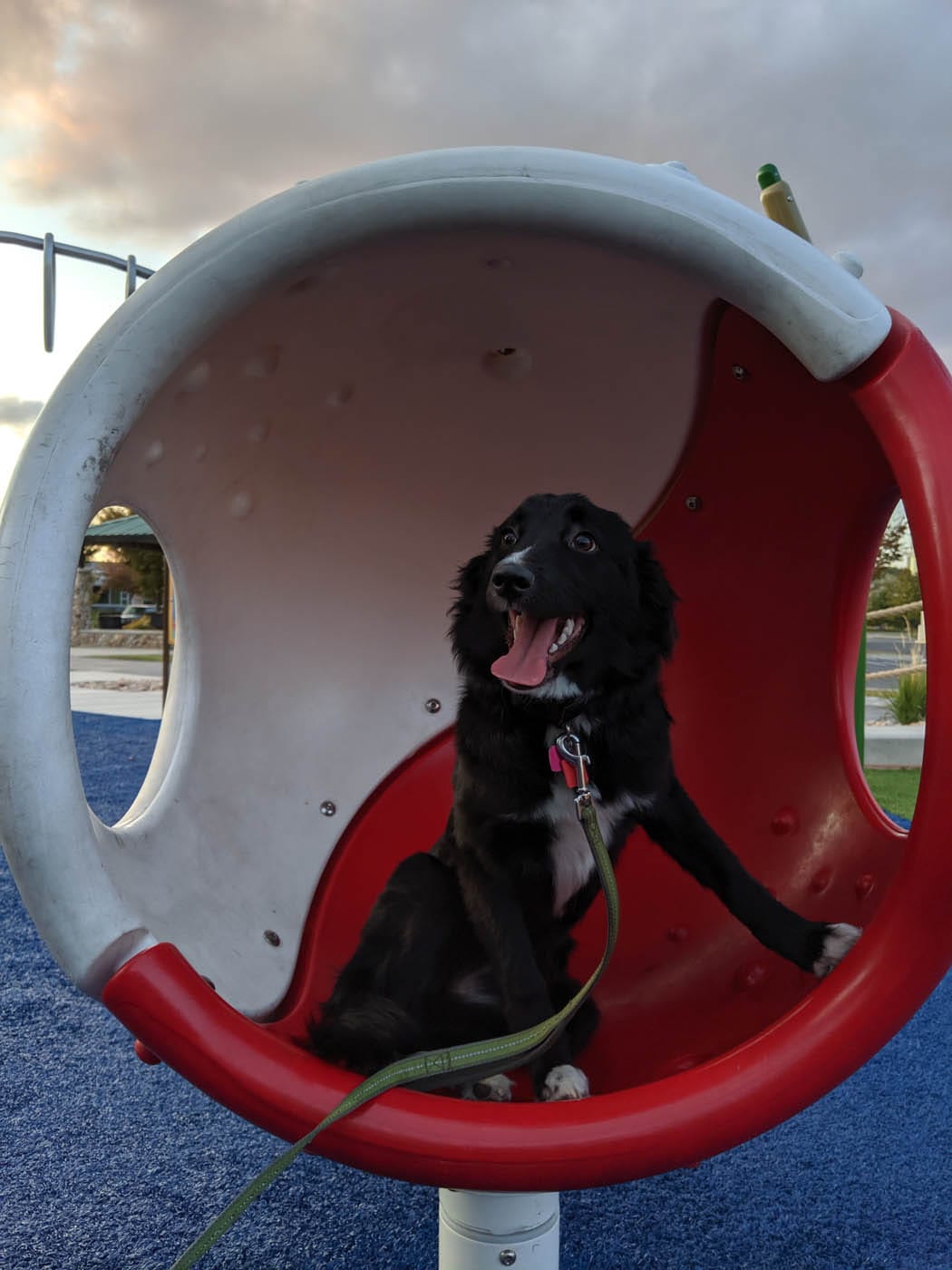
Have you ever watched a dog gracefully leap over a hurdle, weave through a line of poles, and blast through a tunnel with pure, unadulterated joy? That incredible display of athleticism and teamwork is dog agility, and it’s more than just a sport. If you’re looking for the best Dog Agility Training Austin has to offer, you’ve landed in the right place. This isn’t just about competition; it’s a powerful way to deepen your bond, sharpen your dog’s mind, and provide an outlet for their boundless energy.
Agility training is a fantastic language you and your dog can learn together. It builds confidence, improves off-leash reliability, and provides incredible physical exercise. For many dog owners, it’s the key to unlocking a calmer, more focused companion at home. Before diving into local classes, building a solid foundation is crucial, and exploring dog training online courses can be a great first step to master the basics of communication and obedience that are essential for the agility field.
Why Agility Training is a Game-Changer
Dog agility is far more than just running an obstacle course. It’s a holistic activity that engages your dog’s body and mind, strengthening the connection between you and your canine partner. Each session is a conversation built on cues, trust, and shared excitement.
Mental Stimulation and Problem-Solving
Dogs, especially intelligent breeds, can get bored easily. This boredom often leads to undesirable behaviors like chewing, digging, or excessive barking. Agility training challenges their minds, forcing them to think, problem-solve, and focus on the task at hand. They learn to interpret your body language and verbal cues to navigate a complex sequence of obstacles. This mental workout is just as tiring and satisfying as physical exercise.
Unbeatable Physical Exercise
In a city as active as Austin, we love finding new ways to stay fit with our pets. Agility is a full-body workout. The sprinting, jumping, turning, and weaving builds muscle, improves coordination, and enhances cardiovascular health. It’s a structured way to burn off excess energy, making it an ideal activity for high-drive breeds. If you’re tired of endless fetch, agility offers a more purposeful and engaging form of exercise that is particularly effective for training a hyper dog, channeling their energy into a positive and fun activity.
Building an Unbreakable Bond
The core of agility is teamwork. You aren’t just telling your dog what to do; you are their guide, their teammate, and their biggest cheerleader. This shared experience, filled with challenges and triumphs, builds a profound level of trust and communication. You learn to read your dog’s subtle signals, and they learn to trust your guidance implicitly. This partnership extends far beyond the agility course and into your everyday life.
Is Your Dog a Good Candidate for Agility?
While certain breeds like Border Collies and Australian Shepherds are famous on the competitive circuit, almost any dog can enjoy agility at a recreational level. The key factors are your dog’s health, temperament, and drive.
- Health First: Before starting any new sport, it’s essential to get a clean bill of health from your veterinarian. The activity involves jumping and tight turns, so sound joints are a must. Puppies should wait until their growth plates have closed, usually around 12-18 months, before starting any serious jump training.
- Eager to Please: Dogs that are motivated by praise, toys, or treats and enjoy working with their owner tend to excel. A desire to learn and play is more important than breed.
- Basic Obedience: While you don’t need a perfectly trained dog, a solid “stay,” “come,” and the ability to focus on you around distractions are crucial starting points.
Getting Started with Dog Agility in Austin
Austin is a fantastic city for dog lovers, with a growing number of facilities and clubs dedicated to canine sports. When searching for the right training program, it’s important to look for a philosophy that prioritizes safety and positive reinforcement.
What to Look for in a Training Facility
Finding the right environment is key to a positive experience for both you and your dog. Look for facilities with experienced instructors who use positive, reward-based methods.
- Experienced Instructors: Seek out trainers who have experience not just in agility, but also in dog behavior and learning theory. They should be able to adapt their methods to suit your dog’s individual personality and learning style.
- Safe Equipment: Ensure the facility uses modern, safe equipment that is adjustable for dogs of different sizes and skill levels. The ground surface should offer good traction to prevent slips.
- Positive Atmosphere: The best training centers foster a supportive and encouraging community. Classes should be fun, not stressful. Observe a class if possible to see how handlers and dogs are interacting. Many specialized centers, like those found when searching for a zoom room dog training austin tx, provide structured environments perfect for learning.
According to fictional canine sports specialist Dr. Emily Carter, “The single most important factor in a dog’s agility career, whether for fun or competition, is a positive foundation. Early experiences shape their entire perception of the sport. The goal should always be a happy, confident dog who is excited to play the game with their person.”
Foundational Skills to Practice at Home
You can begin your agility journey right in your living room or backyard. Building these core skills will give you a huge head start before you even step onto a course.
- Focus and Engagement: Practice getting your dog to make eye contact with you and hold it for increasing durations, even with mild distractions.
- Body Awareness: Teach your dog to back up, pivot on their hind legs, and place their paws on different objects and surfaces. This builds coordination and confidence.
- Forward Drive: Encourage your dog to run ahead of you towards a target, like a favorite toy or a food bowl. This is the foundation for sending them to obstacles.
- Stay and Wait: A reliable “stay” is a non-negotiable for safety. Your dog must be able to wait at the start line and between obstacles.
Common Agility Obstacles Explained
An agility course is made up of several standard obstacles. In a beginner class, you and your dog will be introduced to them one by one in a safe and controlled way.
Jumps and Hurdles
This is the most common obstacle. They include single bar jumps, double and triple spreads, and panel jumps. Dogs are taught to clear the hurdle without knocking down a bar. Jump heights are always set according to the dog’s size.
Tunnels
There are two types: the open tunnel, which is a flexible tube, and the closed tunnel (or chute), which has a fabric end that the dog must push through. Most dogs love tunnels, and they are great for building speed and confidence.
Weave Poles
Perhaps the most technically challenging obstacle, the weave poles consist of a line of 6 to 12 upright poles. The dog must enter with the first pole on their left shoulder and slalom through the rest without skipping any. It requires incredible flexibility and coordination.
Contact Obstacles
These are larger pieces of equipment that have “contact zones” painted in a different color at the beginning and end. The dog must place at least one paw in these zones for safety.
- A-Frame: Two wide ramps hinged together to form a steep A-shape.
- Dog Walk: A long, elevated plank with ramps at each end.
- Teeter-Totter (or See-Saw): A plank that pivots in the middle. The dog must learn to control their balance as it tips forward.
Beyond the Basics: The Agility Community
Once you get started, you’ll find that dog agility training Austin opens the door to a vibrant and welcoming community. From practice sessions and fun runs to official trials and competitions, there are countless ways to get involved. You’ll meet other passionate dog owners, share training tips, and celebrate each other’s successes.
Even if you never plan to compete, the skills, confidence, and connection you build are invaluable. You’re not just training your dog to run a course; you’re learning a new way to communicate, solving problems together, and building a partnership that will last a lifetime. Taking on this challenge is one of the most rewarding experiences a dog owner can have.
Frequently Asked Questions (FAQ)
What age can my dog start agility training?
Dogs can start “pre-agility” or foundation work as young puppies to learn body awareness and focus. However, they should not perform any significant jumping or high-impact obstacles until their growth plates have closed, typically between 12 and 18 months of age, to prevent injury.
Do I need a specific breed of dog for agility?
No! While certain breeds like Border Collies, Poodles, and Shelties are common in competitions, any healthy and energetic dog can participate for fun. The most important qualities are a willingness to learn and a good temperament. Mixed-breed dogs are often fantastic agility partners.
How much does dog agility training cost in Austin?
Costs can vary. A typical group class for beginners might range from $150 to $250 for a 6-week session. Private lessons will be more expensive. Some facilities also offer drop-in practice times for a smaller fee once you have some experience.
Is agility training safe for my dog?
Yes, when done correctly under the guidance of a qualified instructor. Safety is a top priority. A good trainer will ensure equipment is appropriate for your dog’s size and skill level, teach proper form, and never push a dog beyond its physical or mental comfort zone.
What basic commands should my dog know before starting agility?
A solid foundation in basic obedience is extremely helpful. Your dog should have a reliable “come” when called, a “stay” or “wait,” and the ability to focus on you for short periods, even with other dogs nearby. Being comfortable off-leash in a fenced area is also crucial.
