
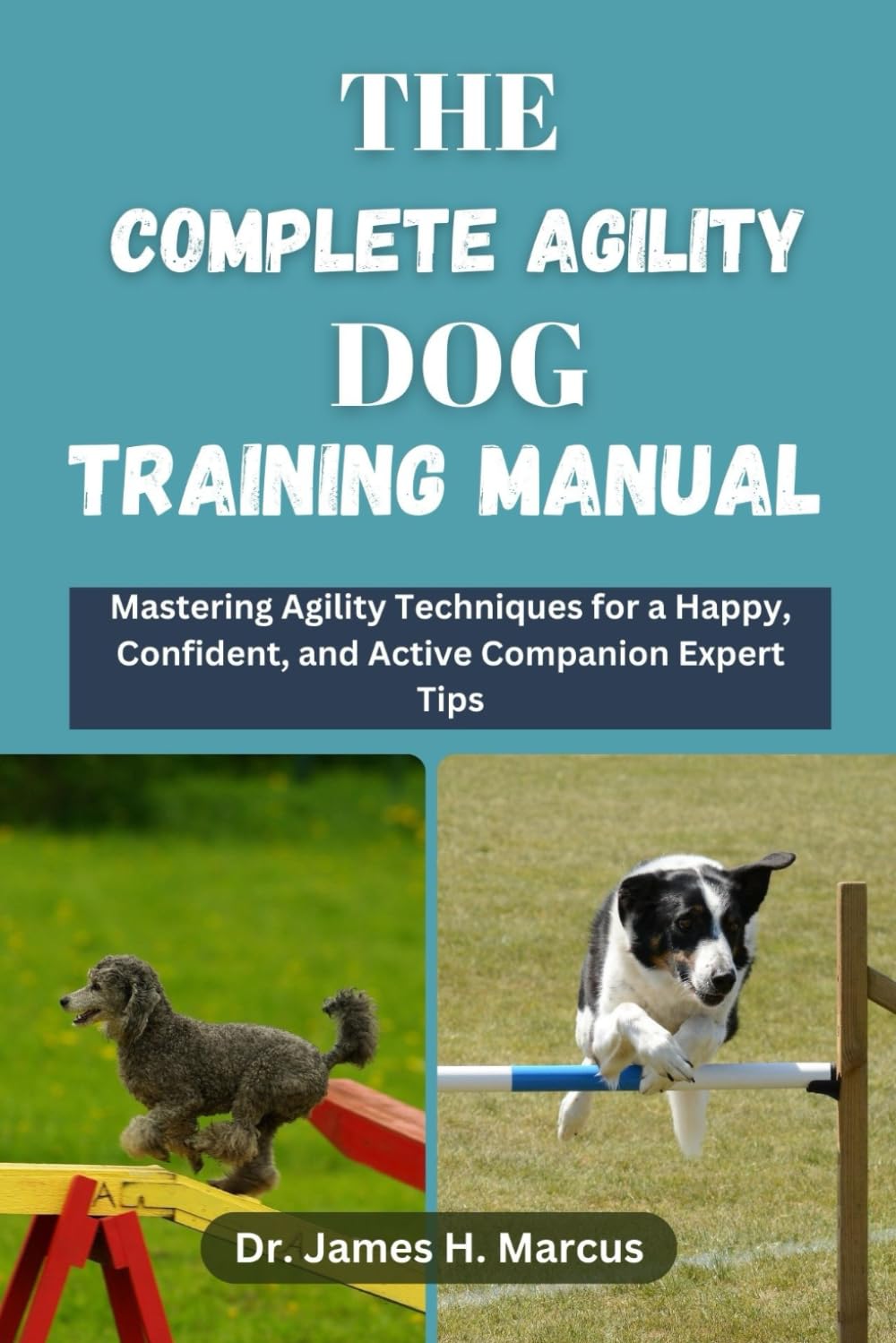
The world of dog agility is a thrilling spectacle of canine athleticism, intelligence, and partnership. It’s a sport where dogs navigate obstacle courses at breakneck speeds, guided by their handlers’ cues. From navigating weave poles to soaring over jumps and zipping through tunnels, dog agility training is as demanding as it is rewarding, fostering a unique bond between dog and owner. Whether you’re a seasoned competitor or just curious about getting started, understanding the fundamentals of dog agility course training is key to success and fun.
The Allure of Dog Agility: Why It Captures Hearts
Dog agility is more than just a sport; it’s a dynamic partnership that showcases the incredible capabilities of our canine companions. The excitement of watching a dog and handler team flawlessly navigate a challenging course is captivating. It’s a testament to the hours of dedicated training, the deep understanding between partners, and the sheer joy of movement and problem-solving for the dog. The benefits extend far beyond the competition ring, offering mental and physical stimulation for the dog, improved obedience, and a strengthened human-animal bond. For handlers, it’s an engaging activity that promotes fitness, sharpens communication skills, and provides a sense of accomplishment.
Understanding the Agility Course: Obstacles and Objectives
A typical dog agility course is designed to test a dog’s speed, precision, and responsiveness. It comprises a variety of obstacles, each requiring specific skills and techniques. Familiarizing yourself with these obstacles is the first step in effective dog agility course training.
Key Agility Obstacles:
- Jumps: Dogs must clear various types of jumps, including bar jumps, wing jumps, and panel jumps, at specific heights.
- Tunnels: Dogs enter and exit tunnels, which can be straight or curved.
- Weave Poles: This is often considered one of the most challenging obstacles. Dogs must enter with a specific stride and weave through a line of poles without missing any.
- A-Frame: A large, A-shaped ramp that dogs climb over.
- Dog Walk: A long, elevated ramp that dogs walk across.
- See-Saw (Rocker): A teeter-totter-like obstacle where the dog must walk to the end to make the other side drop.
- Tire Jump: A jump with a tire that the dog must pass through.
- Pause Table: A raised platform where the dog must remain in a down, sit, or stand position for a set count.
Each obstacle requires specific training to ensure the dog approaches it safely and efficiently.
Laying the Foundation: Essential Skills for Agility
Before diving into complex course sequences, a solid foundation of basic obedience and specific skills is crucial for successful dog agility course training.
Basic Obedience: The Cornerstone
A strong recall, a reliable stay, and basic commands like “sit,” “down,” and “stay” are non-negotiable. Your dog must be able to focus on you amidst the excitement and distractions of an agility environment. This foundational obedience ensures safety and allows for clear communication on the course.
Body Awareness and Confidence
Many agility obstacles require dogs to use their bodies in specific ways. Exercises that build your dog’s body awareness—like walking over low planks, navigating tunnels, or stepping on raised surfaces—can help them feel more confident. Positive reinforcement is key to building this confidence.
Drive and Motivation
Agility is a high-energy sport. Tapping into your dog’s natural play drive and using high-value rewards (toys, treats, praise) will keep them engaged and motivated throughout training sessions.
Progressive Dog Agility Course Training: Building Skills Step-by-Step
Effective dog agility course training involves breaking down the sport into manageable steps, gradually introducing complexity.
Introducing Obstacles Individually
Start by teaching each obstacle in isolation. Use positive reinforcement to encourage your dog to interact with and master each one. For example, when teaching weave poles, start with a few poles spaced widely apart, rewarding your dog for going through them correctly. Gradually decrease the spacing and increase the number of poles.
Building Obstacle Discrimination
Dogs need to learn to differentiate between various obstacles and respond to the correct command for each. Practice calling your dog to specific obstacles or directing them from one to another.
Sequencing: Connecting the Dots
Once your dog is proficient with individual obstacles, begin linking them together in short sequences. This teaches your dog to transition smoothly between obstacles and follow your handling cues through a series of movements. Start with two or three obstacles and gradually increase the length of the sequences.
Handling Techniques: Your Role in the Dance
Agility is a team sport, and your handling is paramount. This involves a combination of body language, verbal cues, and strategic positioning. Learning effective handling techniques—such as front crosses, rear crosses, and verbal cues for direction—will help guide your dog through the course efficiently and accurately.
Common Challenges in Dog Agility Course Training and Solutions
Even with the best intentions, challenges can arise during dog agility course training. Recognizing and addressing them proactively is crucial.
Fear or Hesitation at Obstacles
Some dogs may be naturally hesitant towards certain obstacles, especially those involving height or movement, like the See-Saw or A-Frame. The key here is patience and positive reinforcement. Gradually introduce the obstacle, use highly motivating rewards, and never force your dog. Break the obstacle down into its smallest components and build confidence slowly.
“Building confidence on obstacles is a marathon, not a sprint. Celebrate every small success, and always end training on a positive note.” – Dr. Eleanor Vance, Canine Behaviorist
Missing Weave Poles
Weave pole errors are common. Ensure your dog understands the entry (usually entering at an angle) and the correct pattern. Using channel weaves or guide wires can be helpful initially. Some trainers advocate for a “2×2” method, where poles are taught in pairs, gradually increasing the number.
Speed vs. Accuracy
There’s a delicate balance between a dog’s speed and their accuracy. Pushing for speed too early can lead to errors and frustration. Focus on accuracy first, ensuring your dog understands the commands and the course. Once accuracy is consistent, you can gradually encourage more speed.
Handler Error and Communication
Miscommunication between handler and dog is a frequent cause of errors. Ensure your cues are clear and consistent. Practice your handling skills separately, perhaps even visualizing the course without your dog, to ensure your own movements are precise.
Advanced Dog Agility Training and Competition Preparation
As you and your dog progress, the focus shifts towards refining skills, increasing speed, and preparing for the demands of competition.
Course Analysis and Strategy
Learning to “walk the course” before competing is essential. This involves analyzing the sequence of obstacles, identifying potential challenges, and planning your handling strategy. Where will you use crosses? What cues will you give?
Proofing Against Distractions
Agility trials are full of distractions—other dogs, crowds, noises. Training your dog to remain focused on you and the course despite these distractions is vital. Practice in increasingly distracting environments.
Conditioning and Fitness
Agility is physically demanding. Ensure your dog is in good physical condition through appropriate exercise and a balanced diet. Consult your veterinarian about any specific fitness or dietary needs for your dog.
The Lifelong Benefits of Dog Agility
Engaging in dog agility course training offers a wealth of benefits that extend far beyond the agility ring. It’s an incredible way to strengthen the bond with your dog, build their confidence, improve their physical and mental well-being, and become part of a vibrant community of fellow dog lovers. The journey of agility is one of continuous learning, patience, and mutual respect, creating a partnership that truly shines. Whether you aim for the podium or simply for shared fun in the backyard, the experience of training and running agility with your dog is profoundly enriching.
