
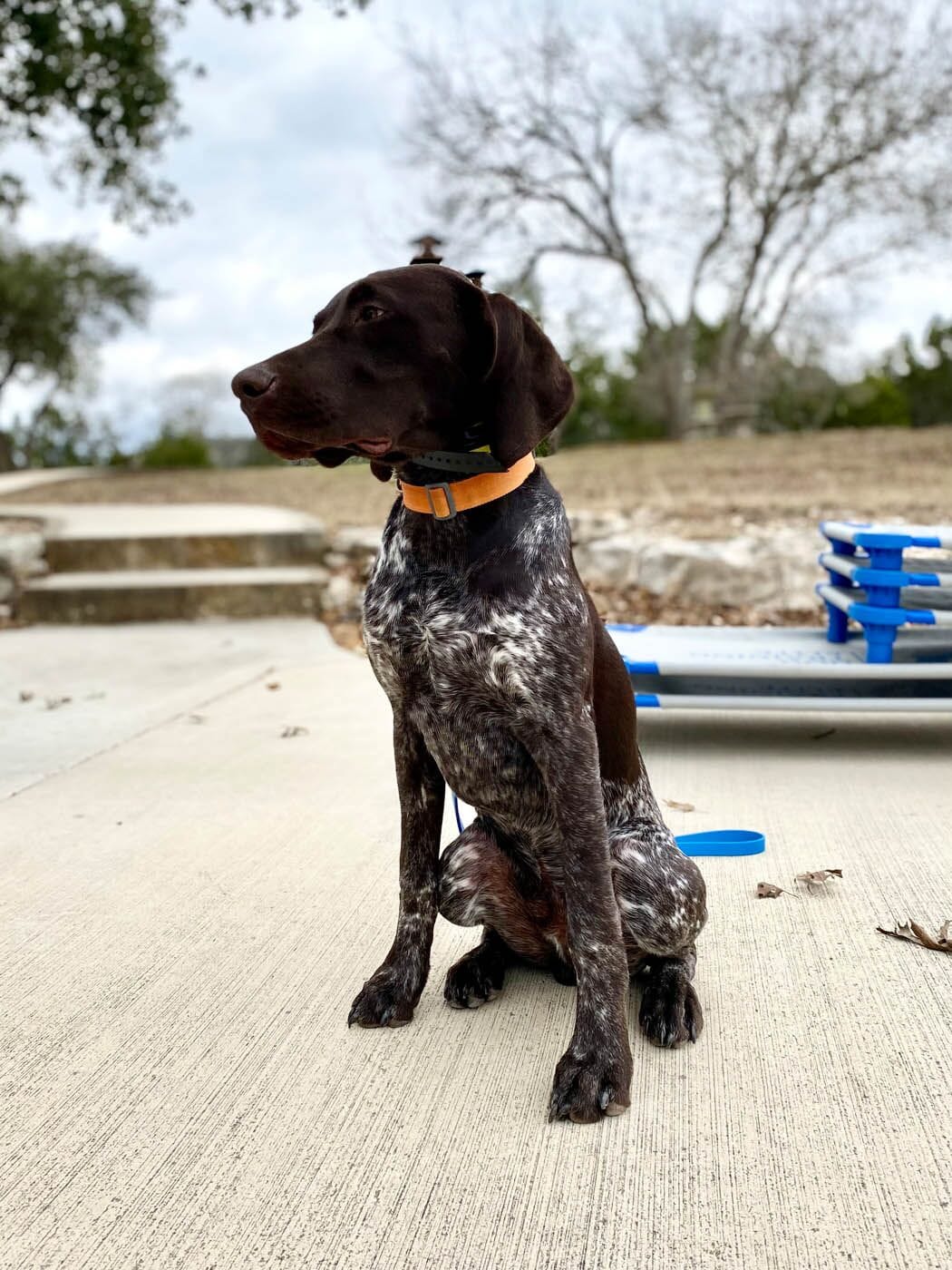
Dealing with dog aggression can be a daunting and often emotional experience for any pet owner. It’s a complex issue that requires understanding, patience, and expert guidance. If you’re in Las Vegas and searching for effective solutions for your dog’s aggressive behavior, you’ve come to the right place. At Dog Care Story, we are dedicated to helping you navigate these challenges and foster a harmonious relationship with your canine companion. This comprehensive guide will delve into the intricacies of dog aggression training in Las Vegas, offering insights, strategies, and the specialized help you need.
Aggression in dogs is not a monolithic problem; it manifests in various forms and stems from diverse underlying causes. Recognizing the type of aggression your dog displays is the crucial first step toward effective intervention. Common forms include fear-based aggression, territorial aggression, possessive aggression, predatory aggression, and frustration-induced aggression. Each type requires a tailored training approach, focusing on addressing the root cause rather than merely suppressing the outward symptoms. Understanding your dog’s triggers and motivations is paramount for successful training, and this is where professional expertise becomes invaluable.
Understanding the Roots of Canine Aggression
Before diving into training methodologies, it’s essential to grasp why dogs exhibit aggressive behaviors. Genetics, past experiences (or lack thereof), socialization, environment, and health all play significant roles. A dog that wasn’t adequately socialized as a puppy may develop fear-based aggression towards unfamiliar people or other dogs. Conversely, a dog that has been rewarded for aggressive displays, even unintentionally, might continue to use these behaviors to get what it wants.
Fear-Based Aggression
This is perhaps the most common type of aggression. Dogs exhibiting fear-based aggression often feel threatened or cornered. Their body language might include a tucked tail, flattened ears, lip licking, yawning, and a general desire to retreat. However, if escape isn’t possible, they may resort to biting as a last defense. The key to training is to build the dog’s confidence and create positive associations with the perceived threat, gradually desensitizing them to triggers.
Territorial and Possessive Aggression
This type of aggression is often seen when a dog is protecting its perceived territory (home, yard, car) or valuable resources (food, toys, owner). The dog may exhibit growling, lunging, or snapping when someone approaches their space or objects. Training here involves establishing clear boundaries, teaching impulse control, and ensuring the dog understands that their resources are secure and not under threat.
Frustration-Induced Aggression
This occurs when a dog is prevented from achieving a goal, such as reaching another dog through a fence or being unable to access a desired toy. The pent-up energy and frustration can erupt into aggression. Management strategies to prevent such situations, coupled with redirecting the dog’s energy into appropriate outlets, are vital.
Predatory Aggression
While less common in domestic settings, predatory aggression can be directed towards small animals or even fast-moving objects like bicycles or children running. It’s a deeply instinctual behavior. Training focuses on impulse control and redirecting the chase instinct towards appropriate toys and activities.
Finding Expert Dog Aggression Training in Las Vegas
Choosing the right trainer is critical when dealing with aggression. A qualified professional will use humane, science-based methods that prioritize the dog’s well-being and the safety of others. They will assess your dog’s specific situation, identify triggers, and develop a customized training plan.
What to Look for in a Trainer:
- Credentials and Experience: Look for trainers with certifications from reputable organizations and a proven track record in handling aggression cases.
- Humane Methods: Ensure they use positive reinforcement techniques, avoiding punishment-based methods which can exacerbate fear and aggression.
- Comprehensive Assessment: A good trainer will conduct a thorough behavioral assessment, often in your home environment, to understand the full picture.
- Customized Training Plan: No two dogs are alike. A trainer should create a plan tailored to your dog’s specific needs and your lifestyle.
- Client Testimonials: Positive reviews and references from previous clients can provide valuable insight into a trainer’s effectiveness and approach.
For those seeking specialized dog aggression training in Las Vegas, Dog Care Story offers a beacon of hope. Our experienced trainers are adept at diagnosing the root causes of aggression and implementing effective, humane training strategies. We believe in building trust and understanding between dogs and their owners, transforming challenging behaviors into a foundation for a stronger bond. If you’re struggling with a reactive or aggressive dog, remember that seeking professional help is a sign of strength and commitment to your pet’s welfare. We can help you understand your dog’s behavior and implement strategies for a safer, happier home.
Strategies for Managing and Training Aggression
Effective aggression training is a multi-faceted approach that combines management, behavior modification, and sometimes, environmental changes.
Management
Management is about preventing the dog from practicing aggressive behaviors while training is ongoing. This might include:
- Avoiding Triggers: Identifying situations, people, or animals that provoke aggression and steering clear of them.
- Using Tools: Employing muzzles (properly introduced), leashes, and gates to ensure safety and prevent unwanted interactions.
- Creating Safe Spaces: Providing your dog with a secure den or crate where they can retreat and feel safe.
Behavior Modification Techniques
These techniques aim to change the dog’s underlying emotional response and behavior.
- Desensitization and Counter-Conditioning (DSCC): This is a cornerstone for treating fear and anxiety-related aggression. It involves exposing the dog to their trigger at a very low intensity (where they don’t react) and pairing it with something highly positive, like high-value treats. Gradually, the intensity of the trigger is increased as the dog learns to associate it with good things. For example, if your dog is reactive to other dogs, you might start by having them see another dog at a distance where they are calm, rewarding them heavily. Over time, you decrease the distance.
- Impulse Control Training: Teaching your dog to control their immediate reactions is crucial. Exercises like “leave it,” “wait,” and practicing calmly passing by triggers are essential. This is fundamental to controlling frustration and excitement that can lead to aggression. For instance, learning to [best way to train dog on leash] can significantly reduce reactivity when walking.
- Obedience Training: A solid foundation in basic obedience commands (sit, stay, come, down) is vital. These commands give you better control and communication with your dog, especially in challenging situations. Training a German Shepherd, for example, requires consistent reinforcement of these commands to manage their inherent protective instincts, as detailed in guides on [german shepherd dog how to train].
The Role of Professional Guidance in Las Vegas
While the internet is brimming with advice, aggression is a serious issue that can pose risks if not handled correctly. Professional trainers in Las Vegas bring a level of expertise that is difficult to replicate. They can:
- Accurately Diagnose: Distinguish between different types of aggression and identify underlying medical conditions that might be contributing.
- Ensure Safety: Implement safety protocols during training sessions to protect both the dog and the handler, as well as the public.
- Provide Tailored Solutions: Offer strategies specific to your dog’s breed, history, and temperament. For instance, training approaches for a powerful breed might differ from those for a smaller, more timid dog.
- Offer Support and Education: Guide you through the process, helping you understand your dog’s behavior and build confidence in managing it. This support is crucial, especially when dealing with a challenging case, and can make a significant difference in the success of programs like [big valley dog training] or specialized assistance.
When seeking help, consider trainers who emphasize building confidence in both the dog and the owner. Programs like [dog training las vegas aggression] are specifically designed to address these complex behavioral issues with a focus on positive outcomes.
A Holistic Approach to Canine Well-being
Beyond specific training, fostering overall canine well-being is key to managing aggression. This includes:
- Adequate Exercise: Ensuring your dog gets enough physical and mental stimulation daily can reduce pent-up energy and frustration. Tailor the exercise to your dog’s breed, age, and health.
- Mental Enrichment: Puzzle toys, scent work, and training games provide mental challenges that can prevent boredom and destructive behaviors.
- Nutrition: A balanced diet contributes to overall health, affecting mood and energy levels. Consult your veterinarian about the best diet for your dog.
- Veterinary Check-ups: Rule out any underlying medical conditions that could be causing or exacerbating aggression. Pain, hormonal imbalances, and neurological issues can all manifest as behavioral changes.
The “Dog Care Story” Difference
At Dog Care Story, we understand that every dog has a unique story, and aggression is often a chapter born from fear, confusion, or unmet needs. Our mission is to help you rewrite that chapter with understanding, patience, and expert guidance. We are committed to providing compassionate and effective dog aggression training in Las Vegas, empowering owners with the knowledge and tools to manage and overcome these challenges.
We believe in celebrating the journey of dog ownership, which includes navigating its complexities. By focusing on positive reinforcement and understanding the deep bond between humans and dogs, we aim to build stronger, safer, and more fulfilling relationships. If you’re facing aggression issues with your dog, reach out to us. Let’s work together to ensure your dog’s story is one of happiness, confidence, and well-being. Remember, finding the right help, perhaps through services similar to [dog training little rock] or specialized local resources, is the first step toward a positive resolution.
