
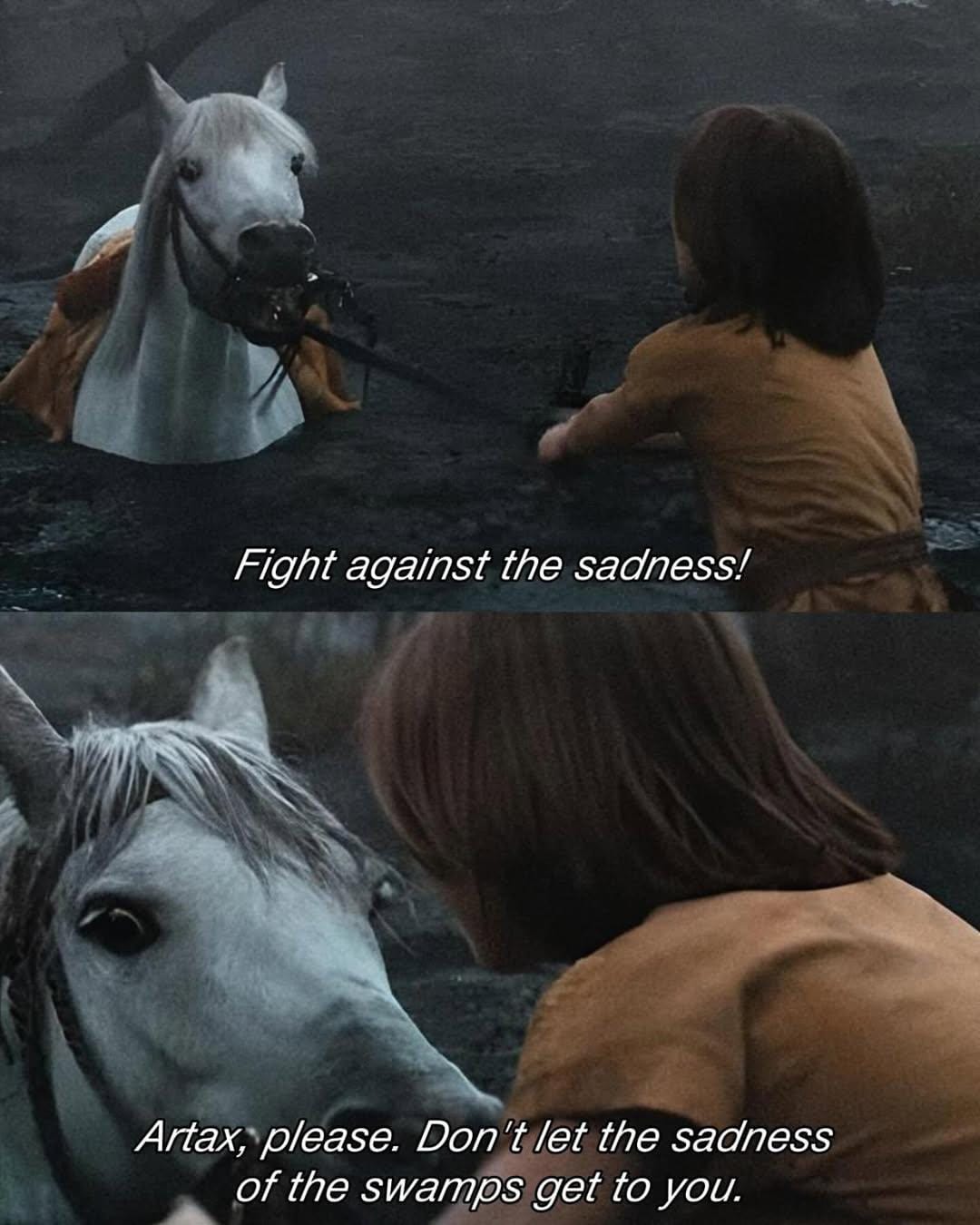
The question of whether Artax, the beloved white horse of Prince Atreyu, meets his demise in The NeverEnding Story is a deeply emotional one for many who experienced the film in their youth. It’s a pivotal and heartbreaking scene that has stayed with viewers for decades. The answer, unequivocally, is yes, Artax does die in the film, and it happens in a scene that is often cited as one of the most memorable and devastating moments in children’s cinema. This tragic event occurs in the Swamp of Sadness, a place designed to sap the will and life force of any creature that enters it.
The NeverEnding Story, a 1984 German fantasy film based on Michael Ende’s novel, tells the story of Bastian Balthazar Bux, a lonely boy who discovers a magical book. As he reads, he becomes drawn into the world of Fantastica, where a being known as the Childlike Empress is dying, and her world is being consumed by a mysterious force called the Nothing. Atreyu, a young warrior from the Plains People, is tasked with finding a cure for the Empress and saving Fantastica. His journey is fraught with peril, and Artax is his loyal companion throughout much of it.
The Heartbreaking Scene in the Swamp of Sadness
The Swamp of Sadness is a mystical and foreboding place within Fantastica. It’s a landscape of dark, murky waters and despair, where hope itself seems to vanish. As Atreyu and Artax venture into the swamp, the oppressive atmosphere begins to take its toll. The swamp doesn’t physically drown its victims; rather, it preys on their emotional state. For every moment of doubt, every flicker of fear or sadness, the swamp gains more power.
Atreyu, determined to save his world, fights against the overwhelming despair. However, Artax, burdened by the weight of the swamp and perhaps sensing the futility of their quest at that moment, begins to falter. Despite Atreyu’s desperate pleas and courageous efforts to pull him free, Artax sinks deeper into the mire. The scene is excruciatingly depicted, with Artax’s eyes showing a profound sadness and resignation. Atreyu’s anguished cries of “You’re letting me go!” as he’s pulled away by an unseen force from the swamp’s grip are etched into the memories of countless viewers.
The death of Artax is not just a plot device; it’s a powerful metaphor. The Swamp of Sadness represents the kind of despair that can engulf individuals when they feel overwhelmed by their problems, when they lose hope, and when they allow sadness to consume them. Artax’s demise is a stark illustration of what happens when one succumbs to these feelings, unable to find the strength to persevere.
The Significance of Artax’s Death
Artax’s death is a crucial turning point in Atreyu’s journey and in the broader narrative of The NeverEnding Story. It marks a moment of profound loss and trauma for Atreyu, forcing him to confront the harsh realities of his quest and the sacrifices it demands. This event solidifies the stakes of their mission and deepens the emotional resonance of the story. It’s a testament to the film’s willingness to explore darker themes and to not shy away from the painful aspects of heroism and perseverance.
For the audience, particularly young viewers, the death of Artax serves as a powerful lesson about grief, loss, and the importance of facing challenges head-on, even when they seem insurmountable. It underscores the idea that while sadness and despair are potent forces, the will to live and the courage to continue are even stronger, though sometimes the fight against them is agonizing. The memory of Artax often prompts discussions about how to cope with difficult emotions and the resilience of the human (and animal) spirit. Understanding the emotional impact of Artax’s fate can offer insights into how viewers process themes of loss and courage in storytelling. For those interested in the narrative arcs of beloved animal companions in cinema, exploring similar themes might be of interest, such as the fate of horses in other fictional narratives.
Why Did Artax Die?
The “why” behind Artax’s death is multifaceted, rooted in both the narrative’s internal logic and its thematic depth.
- The Swamp’s Nature: The Swamp of Sadness is a place that feeds on despair. Artax, being an animal, is perhaps more immediately susceptible to the overwhelming emotional drain of the swamp. His sadness and eventual resignation allow the swamp to claim him.
- Symbolism of Giving Up: Artax’s sinking into the swamp is a visual representation of succumbing to despair. It’s a powerful symbol of what happens when hope is lost, and one stops fighting.
- Narrative Impact: His death is essential for Atreyu’s character development. It’s a profound loss that hardens Atreyu and emphasizes the gravity of his mission. It also serves as a stark warning about the dangers that lie ahead.
Could Artax Have Been Saved?
Within the film’s narrative, the Swamp of Sadness is presented as an almost unconquerable force of despair. Atreyu tries desperately to save Artax, demonstrating immense love and determination. However, the swamp’s power over Artax grows with every moment of his fading hope. While viewers often wish for a different outcome, the film strongly suggests that Artax’s fate was sealed by the swamp’s influence and his own inability to overcome the overwhelming sadness. The magical nature of The NeverEnding Story‘s world allows for such symbolic and emotionally charged events. For a deeper dive into the fantastical elements of the story, one might explore the broader lore surrounding Fantastica and its unique challenges.
Beyond the Film: The Novel vs. The Movie
It’s worth noting that while the movie depicts Artax’s death vividly, the novel by Michael Ende handles this event with a similar emotional weight, though some details might differ in their presentation. Ende’s novel delves deeply into the symbolic nature of Fantastica and its inhabitants, and Artax’s fate is a significant part of Atreyu’s ordeal. The novel emphasizes the psychological toll of the Swamp of Sadness, making Artax’s succumbing to it a profound representation of losing one’s will. Both mediums, however, agree on the tragic end for the loyal steed. Understanding these differences can offer a richer appreciation of the story across different formats.
The Enduring Legacy of Artax
Despite his tragic end, Artax remains an iconic character in the memory of The NeverEnding Story fans. His loyalty, beauty, and the sheer heartbreak of his death have cemented his place in cinematic history. The scene serves as a poignant reminder of the emotional power of storytelling and its ability to evoke deep feelings in audiences of all ages. For many, Artax represents the innocence and companionship that are often lost in the face of overwhelming adversity. His story, though sorrowful, is a vital part of why The NeverEnding Story continues to resonate so powerfully. The enduring impact of Artax’s fate highlights how animal characters can carry significant emotional weight in narratives, often serving as catalysts for human (or warrior) growth and embodying themes of loyalty and sacrifice. The quest to save Fantastica, and the sacrifices made along the way, continue to inspire discussions about courage and hope.
