
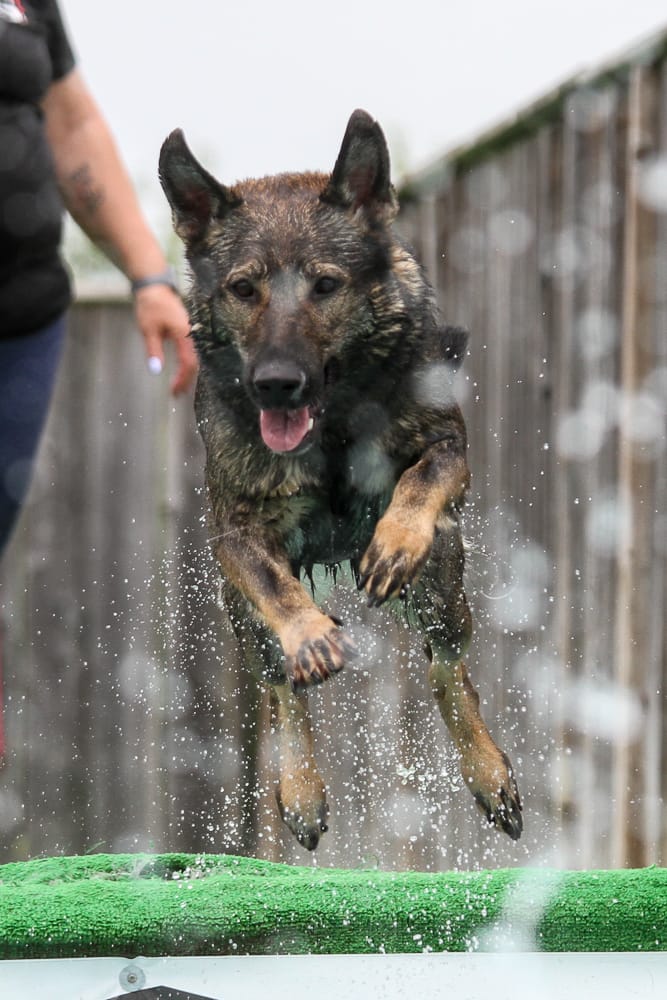
Is your furry friend a water-loving whirlwind with a penchant for fetching? Imagine the thrill of watching your dog soar through the air, a blur of happy energy, before splashing triumphantly into a pool. Dock diving, a sport that celebrates a dog’s natural retrieving instincts and athleticism, offers an exhilarating way to bond with your canine companion and showcase their incredible abilities. Whether you have a seasoned water dog or a curious pup looking for a new adventure, dock diving training can be an incredibly rewarding experience for both of you.
This guide will dive deep into the world of dock diving, from understanding its appeal to the step-by-step process of training your dog to become a dock diving champion. We’ll explore the essential elements, common challenges, and the sheer joy that this sport brings to dogs and their owners alike. Get ready to unleash your dog’s potential and create unforgettable “Dog Care Story” moments by the water.
The Allure of Dock Diving: More Than Just a Splash
Dock diving, at its core, is a sport where dogs compete to see how far they can jump into a body of water from a specialized dock. But its appeal goes far beyond just distance. It’s a sport that taps into a dog’s innate desire to chase and retrieve, a primal instinct that, when channeled, leads to immense satisfaction and joy for the dog.
- Pure, Unadulterated Fun: For many dogs, especially those with a love for water and retrieving, dock diving is simply one of the most fun activities they can engage in. The chase, the leap, the splash – it’s a sensory delight.
- Physical and Mental Stimulation: This sport provides a fantastic outlet for a dog’s energy, requiring both physical prowess and focus. It keeps them active, engaged, and mentally sharp, which can lead to a happier, better-behaved dog overall.
- Building a Stronger Bond: Training together, celebrating successes, and working through challenges in dock diving creates an unparalleled bond between dog and owner. It’s a shared adventure that deepens your connection.
- Suitable for Many Breeds: While certain breeds, like Retrievers and Spaniels, often excel, dogs of all shapes and sizes, mixed breeds included, can enjoy and participate in dock diving. What matters most is the dog’s enthusiasm and willingness to engage.
- Community and Camaraderie: The dock diving community is known for being incredibly supportive and friendly. You’ll meet fellow dog lovers who share your passion, offering encouragement and sharing tips.
Getting Started: The Foundation for Dock Diving Success
Before your dog takes their first leap, building a solid foundation is crucial. This involves ensuring your dog is healthy, comfortable around water, and has a reliable retrieve drive.
Health and Safety First
A pre-dock diving check-up with your veterinarian is a must. Ensure your dog is in good physical condition, especially their joints and cardiovascular system. Water safety is paramount:
- Always supervise your dog closely around water.
- Ensure the water source is safe and free from hazards.
- Consider a doggy life vest, especially for younger or less experienced swimmers, providing extra buoyancy and visibility.
Water Acclimation and Love
Not all dogs are natural swimmers or water enthusiasts. If your dog is hesitant, patience and positive reinforcement are key.
- Start Slow: Begin in shallow, calm water, like a kiddie pool or the edge of a lake.
- Positive Association: Use high-value treats and praise to make water a positive experience.
- Favorite Toy: Introduce their favorite floating toy. Wading into the water yourself can also encourage them.
- Short, Fun Sessions: Keep initial sessions brief and always end on a positive note. Never force your dog into the water.
Harnessing the Retrieve Drive
A strong retrieve drive is the engine of dock diving. If your dog already loves to fetch, you’re halfway there!
- Practice Fetch: Regularly play fetch with a floating toy. Make it exciting and rewarding.
- Increase Distance: Gradually increase the distance of your throws to build their confidence in chasing and retrieving.
- Encourage Enthusiasm: Use an upbeat tone and lots of praise when they bring the toy back.
Step-by-Step Dock Diving Training
Once your dog is comfortable with water and has a solid retrieve, you can begin introducing them to the dock.
Step 1: Introducing the Dock
The dock itself can be intimidating. Start by letting your dog explore it while it’s dry.
- Dry Dock Exploration: Have your dog walk on and off the dock multiple times. Reward calm exploration.
- Short Throws on Dry Dock: Once they are comfortable, toss their favorite toy a short distance on the dry dock. Reward them for retrieving it.
Step 2: The First Splash – Building Confidence
The goal here is to get your dog comfortable jumping off the dock into shallow water.
- Controlled Entry: Start with the dock edge just a few inches into the water. Toss the toy just a foot or two off the end. Your dog will likely walk in or take a small hop.
- Positive Reinforcement: Lavish praise and treats for any water entry and retrieval.
- Gradual Increase: As your dog gains confidence, slowly increase the water depth and the distance you throw the toy.
Step 3: Encouraging the Jump
This is where you encourage your dog to leap rather than walk or wade.
- The Handler Jump: Sometimes, having the owner jump in with the dog can be encouraging. However, focus on the dog’s retrieve.
- Targeting the Toy: Toss the toy slightly further out, encouraging them to stretch and jump.
- Vary Toy Placement: Throw the toy slightly to the left or right of the center to encourage them to jump further to reach it.
Step 4: Building Distance and Technique
As your dog becomes a confident dock diver, you can focus on increasing their distance and refining their technique.
- The Chase: Encourage your dog to run enthusiastically towards the end of the dock. A happy, eager run-up is key.
- Vertical vs. Horizontal: Some dogs naturally jump high, others long. Both are great! Focus on what your dog does best.
- Consistency: Regular, positive training sessions are more effective than infrequent, long ones.
- Professional Guidance: Consider enrolling in dock diving dog training classes or seeking advice from experienced trainers. Many facilities offer specific programs, like those found at a precision dog training academy.
Common Challenges and Solutions in Dock Diving Training
Like any training endeavor, dock diving can present a few hurdles.
- Hesitation at the Dock Edge:
- Cause: Fear, lack of confidence, past negative experience.
- Solution: Go back to basics. Make the dock a fun place to be. Use high-value rewards. Shorten the distance and water depth. Consider having a friend or trainer on the dock with you.
- Not Releasing the Toy:
- Cause: Over-excitement, possessiveness.
- Solution: Practice reliable “drop it” or “give” commands separately. Reward generously for releasing the toy. Make retrieving the toy from you even more rewarding than keeping it.
- Distractions:
- Cause: Other dogs, people, sounds, smells.
- Solution: Start training in a quiet environment. Gradually introduce distractions as your dog’s focus improves. Practice impulse control exercises off the dock. Enrolling in dog training brevard county fl classes can help generalize training in various environments.
- Fear of Deep Water:
- Cause: Natural predisposition, lack of exposure.
- Solution: Gradual exposure is key. Use a dog life vest. Keep sessions short and positive. Toss toys closer to the dock initially.
Advanced Techniques and Fun Variations
Once your dog has mastered the basics, you can explore variations and advanced techniques.
- Target Jumping: Train your dog to aim for a specific target or toy thrown at a particular distance.
- Vertical Jumps: While distance is the main focus in many competitions, some events also score vertical leaps. This often involves hanging a toy at a specific height above the water.
- Obstacle Integration: For more advanced training, you might incorporate elements of obstacle course training for dogs to build agility and coordination before the jump.
The Joy of Dock Diving: Creating Lasting Memories
Dock diving is more than just a sport; it’s an experience. It’s about the boundless enthusiasm of your dog, the shared moments of triumph, and the quiet understanding that grows between you. It’s about strengthening the incredible bond that makes the human-dog relationship so special, creating a “Dog Care Story” that you’ll both cherish forever.
Whether your goal is competitive ribbons or simply a fun weekend activity, the journey of dock diving training is filled with laughter, splashes, and the unmistakable joy of a happy, active dog. So, grab that favorite floating toy, head to the water, and get ready to watch your best friend soar.
Frequently Asked Questions about Dock Diving Dog Training:
Q1: What age is appropriate for dock diving training?
A1: It’s best to wait until your dog is physically mature, typically around one year old, though some smaller breeds may need to wait longer. Prioritize joint health.Q2: How long does it take to train a dog for dock diving?
A2: This varies greatly depending on the dog’s natural aptitude, breed, age, and the consistency of training. Some dogs pick it up quickly, while others require more time and patience.Q3: What kind of toys are best for dock diving?
A3: Durable, buoyant floating toys are ideal. Tennis balls can work, but specialized dock diving toys are often designed for better visibility and grip.Q4: Can I use a regular swimming pool for training?
A4: Yes, but be mindful of safety. Ensure your dog knows how to exit the pool easily and always supervise them. Some pools may have slippery surfaces. Consider specific dog pools or safe, accessible bodies of water.Q5: What if my dog is afraid of swimming?
A5: Focus on water acclimation first. Introduce water gradually in shallow, calm environments like a kiddie pool, using positive reinforcement and their favorite toys. Never force a dog into water they fear.Q6: Are there competitions for dock diving?
A6: Absolutely! There are numerous organizations and events for dock diving competitions, catering to various skill levels, from novice to professional. It’s a great way to test your training and have fun.Q7: What are the main benefits of dock diving for dogs?
A7: It provides excellent physical exercise, mental stimulation, builds confidence, strengthens the human-dog bond, and is incredibly fun for water-loving dogs. It can also be a great confidence builder for shy dogs.
