
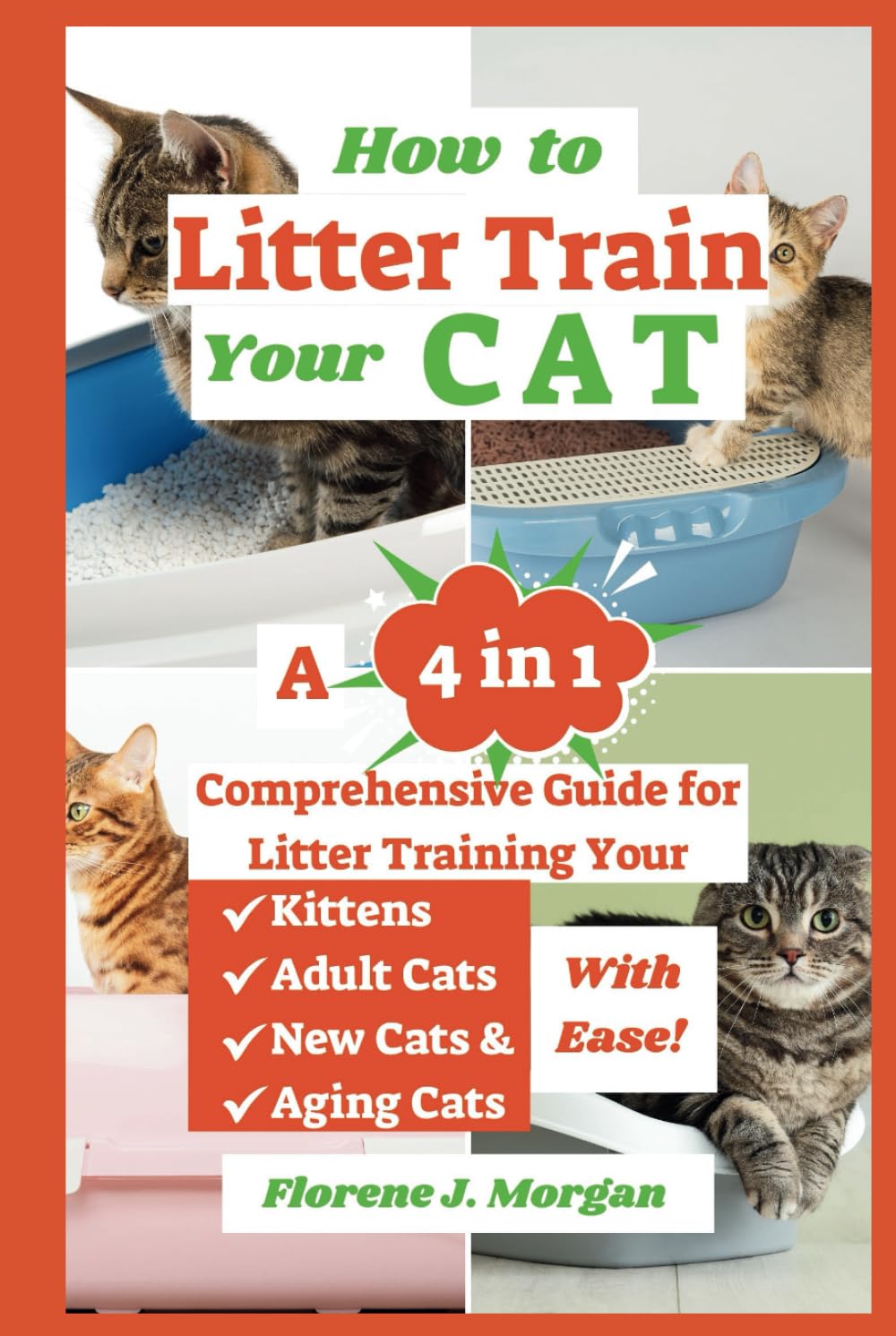
Bringing a new cat or kitten into your home is an exciting experience, but it often comes with the common challenge of litter box training. While kittens naturally learn from their mothers, new cat guardians may need to guide their feline companions to understand and consistently use the litter box. This guide will walk you through the essential steps to ensure your cat becomes a litter box pro, covering everything from box placement to proper cleaning.
Understanding Litter Box Behavior
Cats are naturally clean animals, and understanding their instincts is key to successful litter training. Issues with litter box usage can stem from various factors, including medical conditions, behavioral problems, or emotional distress. Recognizing these potential causes and addressing them promptly is crucial for resolving accidents and ensuring your cat’s well-being. Remember, your cat isn’t being “bad”; they are communicating a need or a problem.
Steps to Litter Train Your Cat
1. Choosing the Right Location
The placement of the litter box significantly impacts your cat’s willingness to use it. Opt for a quiet, easily accessible area away from high-traffic zones and their food and water bowls. Cats prefer privacy when they eliminate. Ensure the litter box is appropriately sized; a general rule of thumb is that it should be at least one and a half times the length of your cat. When in doubt, choose a larger box, as this provides more comfort and space.
2. Selecting the Ideal Litter
Cats often have preferences when it comes to litter texture and scent. Most felines prefer soft, fine-grained litter. To discover your cat’s preference, you can set up multiple litter boxes with different types of litter and allow your cat to choose. Once you’ve identified a litter your cat likes, stick with it to avoid confusion. For multi-cat households, the rule is one litter box per cat, plus an additional one. This ensures that no cat feels territorial or hesitant to use a box if another cat is present or has recently used it.
3. Introducing Your Cat to the Litter Box
Consistency is vital when litter training. Gently place your cat in their litter box after meals, naps, and playtime. If the litter box is in a separate room, guide your cat to that room and close the door for a short period after these key times. This association helps them connect the litter box with the act of elimination.
4. Positive Reinforcement with Treats
Positive reinforcement is a powerful training tool for cats. When you see your cat successfully use the litter box, offer immediate praise and a small, high-value treat. This positive association reinforces the desired behavior and makes using the litter box a rewarding experience. Never punish your cat for accidents; this can create fear and anxiety, leading to further avoidance of the litter box. If accidents occur, revisit the initial steps of training. You may also find helpful advice in resources like “My cat won’t use the litter box, what should I do?”.
5. Maintaining a Clean Litter Box
Cleanliness is paramount in litter box maintenance. Scoop the litter box daily to remove waste. Depending on the type of litter used, the box itself should be washed thoroughly every one to two weeks with mild soap and water. A dirty litter box is one of the most common reasons cats avoid using it. Regularly cleaning ensures a pleasant and inviting space for your cat’s needs.
6. Understanding “No Bad Cats”
It’s crucial to remember that cats do not have malicious intent when they have an accident outside the litter box. Yelling, scolding, or punishing your cat can be detrimental to your relationship and worsen the problem. Instead, calmly clean the area and try to identify the root cause. This might involve going back to the basics of litter box placement and training, or consulting a veterinarian to rule out any underlying medical issues. For further in-depth information on addressing litter box problems, consider downloading the PDF resource “Litter box problems treating and reducing cat inappropriate elimination”.
Ensuring your cat is comfortable and confident with their litter box is a significant part of responsible pet ownership. By following these steps and maintaining a clean, accessible litter box, you can foster good habits and create a harmonious living environment for both you and your feline companion.
