
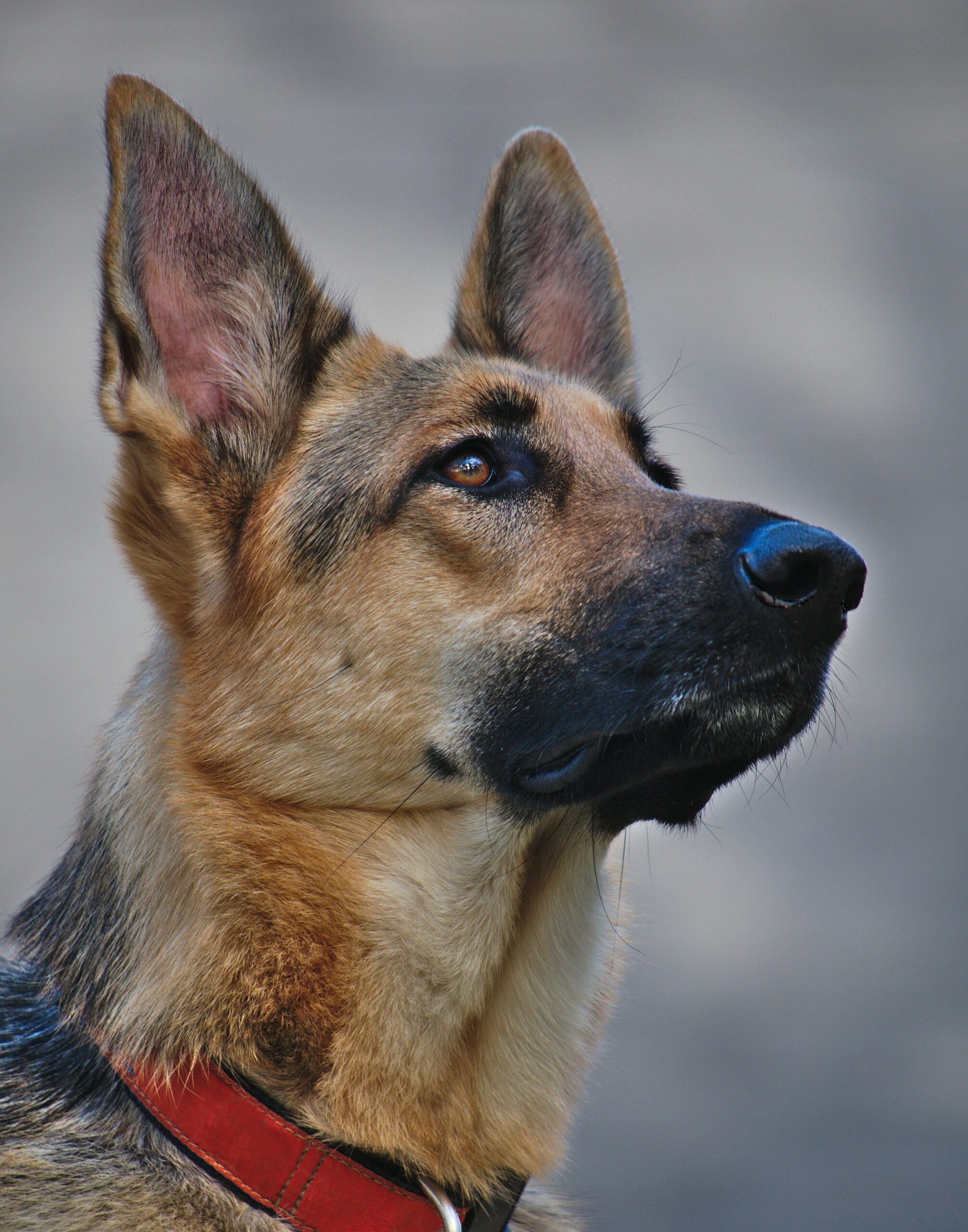
German Shepherds are consistently ranked among the world’s most beloved dog breeds, celebrated for their unwavering loyalty and keen intelligence. While typically robust and strong, this large breed is unfortunately predisposed to a number of health conditions stemming from years of selective breeding. Awareness of these common German Shepherd health problems is crucial for owners, enabling proactive care and management.
It’s important to remember that not every German Shepherd will develop these issues, but the breed’s genetic predisposition makes them more susceptible. Responsible breeding practices, including health screenings by ethical breeders, play a vital role in mitigating these risks. Alternatively, adopting from a rescue organization that provides health history and guidance can also be a beneficial choice.
Joint-Related Health Problems
A significant portion of common health issues in German Shepherds affects their joints, often manifesting as painful conditions that impact mobility.
Hip Dysplasia
Hip dysplasia is a developmental disorder where the hip socket and ball fail to form correctly, leading to instability and pain. This condition can progress to severe arthritis and significant mobility challenges later in life. The Orthopedic Foundation for Animals (OFA) reports that a substantial number of German Shepherds are affected, making it a leading health concern for the breed. Factors such as diet, weight management, and appropriate exercise levels can influence the severity of hip dysplasia. While anti-inflammatory supplements can offer some relief, consistent veterinary care is typically required for affected dogs.
Elbow Dysplasia
Similar in nature to hip dysplasia, elbow dysplasia is an inherited condition that affects the elbow joints. It can present in various forms but consistently leads to pain and lameness. The OFA also highlights elbow dysplasia as a prevalent issue within the breed, with a notable percentage of evaluated German Shepherds exhibiting the condition.
Degenerative Myelopathy
This progressive neurological disorder affects the spinal cord, leading to hind limb weakness and eventual paralysis. Resembling a canine form of Lou Gehrig’s disease, it typically manifests between 8 to 14 years of age and progresses over six months to a year. While not a painful condition, it significantly impacts a dog’s mobility.
Osteochondritis Dissecans (OCD)
OCD occurs when diseased cartilage separates from the bone, most commonly affecting the shoulder joint in German Shepherds, though it can also impact the elbow, hip, and knee. This condition is often seen in rapidly growing large breeds and usually requires surgical intervention.
Panosteitis (Growing Pains)
Panosteitis is a painful inflammation of the long bones in a puppy’s leg, often referred to as “growing pains.” It’s common in fast-growing breeds like German Shepherds and typically affects puppies between 2 and 18 months of age. While it can shift between legs, panosteitis usually resolves on its own as the dog matures. Anti-inflammatory aids can help manage the discomfort.
Immune-Related Health Problems
German Shepherds are also susceptible to a range of immune system-related issues, including allergies and various forms of cancer.
Allergies
Allergies are a frequent concern for German Shepherds, particularly those related to flea bites and food sensitivities. Canine atopic dermatitis, characterized by itchy skin, dry flakes, hair loss, and secondary infections, is a common presentation. Owners should monitor key areas like the face, ears, paws, and hind end for signs of allergic reactions.
Cancer
While cancer can affect any dog, certain types are more prevalent in specific breeds. German Shepherds are at a higher risk for:
- Hemangiosarcoma: An aggressive cancer originating from cells lining blood vessels, frequently found in the spleen but capable of affecting other organs.
- Osteosarcoma: A bone cancer that commonly impacts large, rapidly growing breeds. It often develops near growth plates, particularly in the hips, elbows, and knees of German Shepherds.
- Oral Melanoma: German Shepherds, especially older ones, have an elevated risk for developing oral melanomas, which are distinct from skin melanomas and not necessarily linked to sun exposure.
Gut-Related Health Problems
Despite their strong physique, German Shepherds can have sensitive gastrointestinal systems, making them prone to certain digestive issues.
Bloat (Gastric Dilatation and Volvulus)
Deep-chested breeds like the German Shepherd are at risk for bloat, a life-threatening condition where the stomach twists and fills with gas. This twists can cut off vital blood supply, leading to rapid deterioration. Bloat requires immediate veterinary intervention and carries a significant mortality rate if not treated promptly. The risk of bloat increases with age in large breed dogs.
Exocrine Pancreatic Insufficiency (EPI)
EPI is a degenerative pancreatic disease that prevents a dog from producing essential digestive enzymes, leading to severe malnutrition. Affected dogs essentially starve despite eating. German Shepherds represent a significant portion of EPI cases, with onset typically occurring before two years of age. Lifelong management, often including dietary supplements like probiotics to support gut health, is necessary under veterinary guidance.
Eye Health Problems
Cataracts are a common inherited eye condition in German Shepherds, which can affect puppies as young as eight weeks or adult dogs up to four years old. Age-related cataracts can also develop in older dogs, as is common across all breeds.
Bleeding Disorders
While hemophilia is sometimes mentioned, Von Willebrand’s disease is the more common bleeding disorder affecting German Shepherds. Most cases are the milder Type 1, which can cause spontaneous bleeding but is rarely fatal.
Understanding these potential health concerns allows owners to work closely with their veterinarians to implement preventative measures, early detection strategies, and appropriate treatment plans, ensuring their German Shepherd companion lives a healthy and happy life.
