
Different skin diseases in dogs present a fascinating and often challenging aspect of veterinary medicine. The intricate tapestry of a dog’s skin health is woven from a myriad of threads, including allergies, parasites, genetics, environment, and even their overall nutritional state. These seemingly simple skin conditions can be the outward manifestation of deeper underlying issues, affecting a dog’s comfort, behavior, and quality of life.
Recognizing the variety of potential causes, from the microscopic mites that cause mange to the hormonal imbalances that lead to alopecia, is crucial for pet owners to understand and effectively manage their canine companions’ skin health. This complex interplay of factors influences the development and progression of diverse skin disorders, creating a need for a holistic approach that considers both the visible symptoms and the hidden causes.
This article will delve deep into the fascinating world of canine skin diseases, exploring the common types, their potential causes, diagnostic approaches, and management strategies, fostering a greater understanding of these dermatological challenges and providing insights into improving the wellbeing of our beloved furry friends.
Allergies: A Common Culprit in Canine Skin Diseases

Allergies in dogs are a significant source of skin irritation and discomfort. Their prevalence is on the rise, likely due to environmental factors and changes in our canine companions’ diets and living environments. The triggers for these allergies can range from flea bites and pollen to food ingredients and dust mites. Understanding the specific triggers is key to managing the allergic response and mitigating the resulting dermatological symptoms.
Flea Allergy Dermatitis: A Common Trigger of Itchiness

Flea allergy dermatitis (FAD) is among the most common causes of allergic skin disease in dogs. The primary culprit is the saliva of fleas, and even a single bite can unleash a cascade of allergic reactions.
Imagine a dog, unaware of the tiny tormentors, itching incessantly—a visceral response to an invisible enemy. The skin becomes inflamed and red, often showcasing lesions or scabs, particularly around the tail base, rump, and lower back. A dog with FAD might exhibit excessive licking, biting, scratching, and even self-trauma as it desperately tries to alleviate the intense discomfort. The skin’s protective barrier is compromised, increasing susceptibility to secondary bacterial or yeast infections.
It’s a vicious cycle; the itching leads to scratching, which further damages the skin and exacerbates the inflammation. A dog’s excessive grooming behavior can become a source of constant worry for pet owners, as it can lead to self-inflicted wounds and hot spots. The severity of FAD can vary considerably, from mild irritation to debilitating discomfort that significantly impacts a dog’s quality of life. Effective management involves diligent flea control—both on the dog and in the environment—and targeted treatments to reduce the allergic response.
Different Skin Diseases in Dogs – Food Allergies: A Hidden Culprit

Food allergies, while less common than flea allergies, are another significant trigger of skin problems in dogs. Unlike a food intolerance, which usually causes gastrointestinal issues, food allergies involve an immune system response to certain dietary proteins.
These reactions might take many forms, some more subtle than others. Some dogs might exhibit mild itching and skin irritation, while others might experience more severe symptoms, such as hives, swelling, or even vomiting and diarrhea. Gastrointestinal symptoms and skin reactions are often intertwined, making it challenging to pinpoint the cause. Common offenders include proteins found in beef, dairy, chicken, lamb, and wheat.
Identifying food allergies through elimination diets and careful observation is crucial. A veterinarian often guides the process through a stringent regimen where the dog consumes a limited number of highly digestible ingredients. This diet is gradually expanded over several weeks, introducing one new ingredient at a time, to identify potential triggers. The detective work involved in solving food allergies requires vigilant monitoring and close cooperation with the veterinarian to ensure a successful outcome and alleviate the discomfort.
Environmental Allergies: Year-Round Challenges

Environmental allergies, also known as atopic dermatitis, are often triggered by allergens present in a dog’s surroundings. Pollens, dust mites, mold spores, and even grass can provoke allergic reactions in susceptible dogs. This type of allergy can be particularly problematic for dogs in areas with high pollen counts or frequent exposure to dust and mold.
The symptoms often mimic those of flea allergies—intense itching, redness, and skin lesions. Dogs with environmental allergies frequently target specific areas for excessive scratching and licking, often around their paws, ears, and underarms. The constant itch can lead to hair loss, skin thickening, and secondary infections. Managing environmental allergies can be challenging. In addition to minimizing exposure to allergens, medications, such as antihistamines or corticosteroids, may help manage the symptoms. Immunotherapy, also known as allergy shots, is another option for some dogs, but it requires a long-term commitment.
Parasites: Unseen Enemies on the Skin
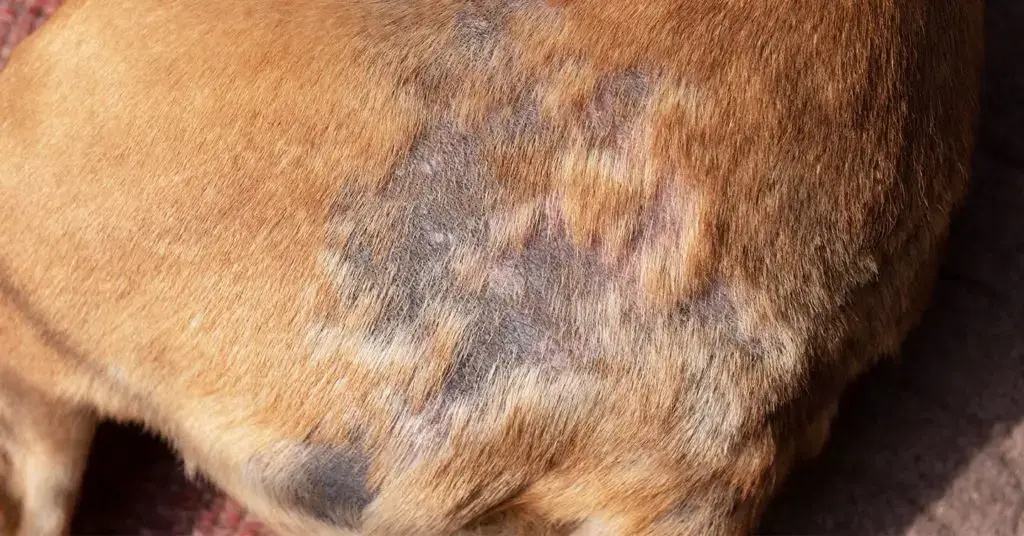
Canine skin health is also greatly challenged by a variety of external parasites, including fleas, ticks, and mites. These organisms can cause irritation, inflammation, and discomfort, leading to a wide range of skin issues. Some parasites are easily recognizable by their physical presence or bite marks, while others are far more difficult to detect, requiring specialized diagnostic tools.
Fleas: More Than Just a Nuisance
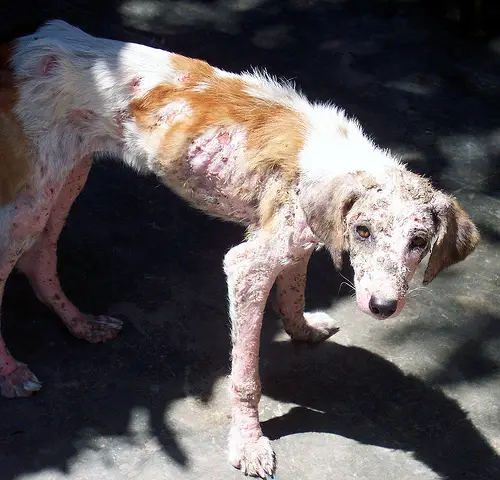
Fleas are a common and widespread canine parasite, known primarily for their ability to cause allergic reactions (as we’ve previously explored). However, beyond allergies, fleas can also cause anemia in severe cases, particularly in young or debilitated dogs, due to blood loss.
Fleas are efficient jumpers and blood suckers, making them difficult to manage. They can live on the dog and in the surrounding environment, readily transferring between pets and people. Their bites can cause irritation, itchiness, and even secondary skin infections as the dog scratches at the itchy lesions. Regular flea prevention and treatment are essential for maintaining a healthy skin coat and protecting dogs from potential health complications.
Ticks: Tiny Vectors of Serious Diseases
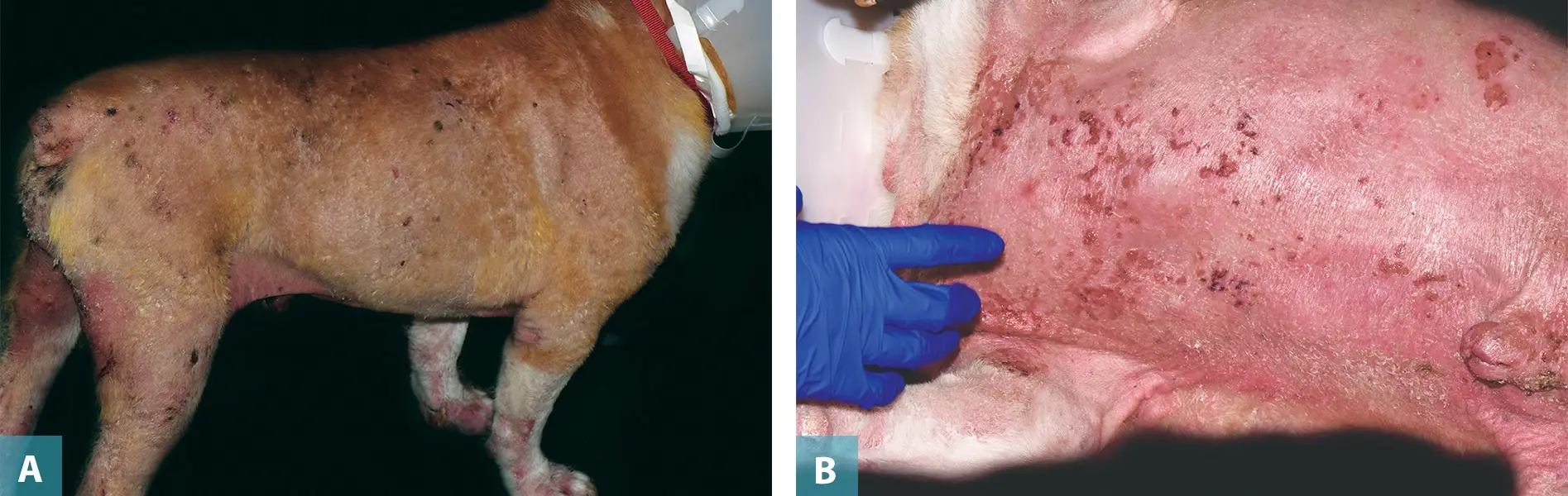
Ticks are not only irritating but also a serious threat to dogs’ health, serving as vectors for debilitating diseases such as Lyme disease, Rocky Mountain spotted fever, and ehrlichiosis. These tiny arachnids latch onto the dog’s skin, feeding on its blood.
The bite itself can cause some irritation, but it’s the potential transmission of serious diseases that makes ticks so dangerous. If a tick is found, it’s crucial to remove it carefully and consult with a veterinarian, as some diseases can have long-lasting and severe consequences on a dog’s health. Regular tick checks, especially after walks in grassy or wooded areas, are crucial, and appropriate tick preventive measures are highly recommended, particularly in regions where tick-borne illnesses are prevalent.
Mites: Microscopic Intruders Causing Big Problems
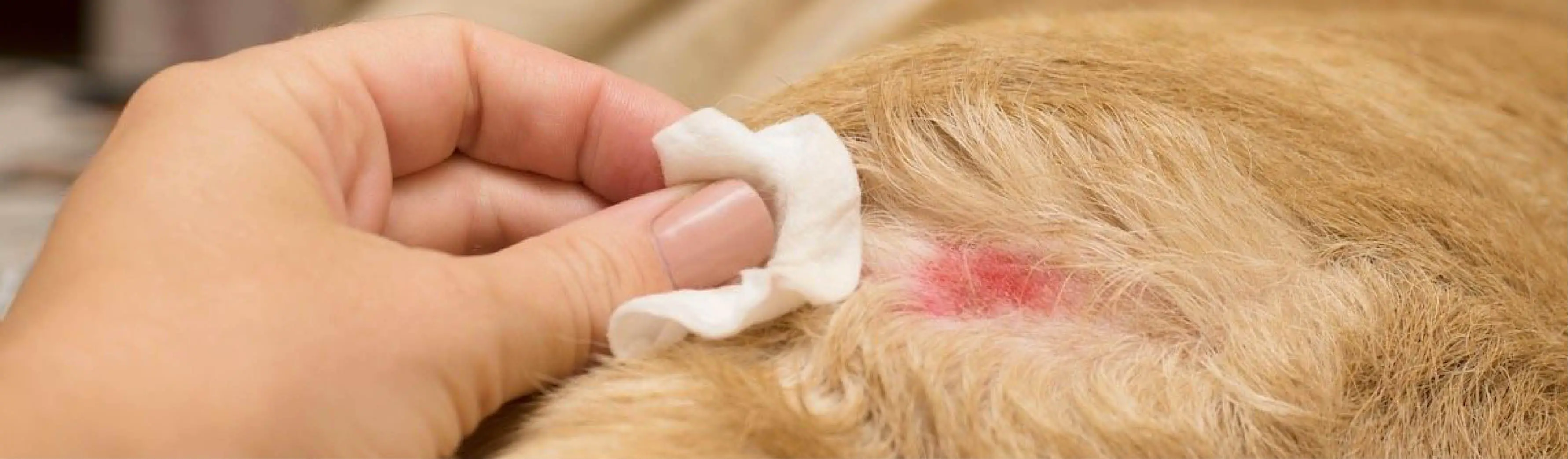
Mites are microscopic arachnids that can cause a variety of skin conditions in dogs. One of the most well-known mite-borne diseases is mange, particularly sarcoptic and demodectic mange.
Mange can significantly impact a dog’s skin and hair coat, leading to intense itchiness, scabbing, hair loss, and even secondary bacterial infections. It’s a distressing condition for the dog and its owner due to the discomfort and the visible impact on the skin. The diagnosis and management of mange often require specialized treatments, including medicated dips and oral medications, to eliminate the mites and restore the dog’s skin to a healthy state.
Bacterial and Fungal Infections: Opportunistic Invader
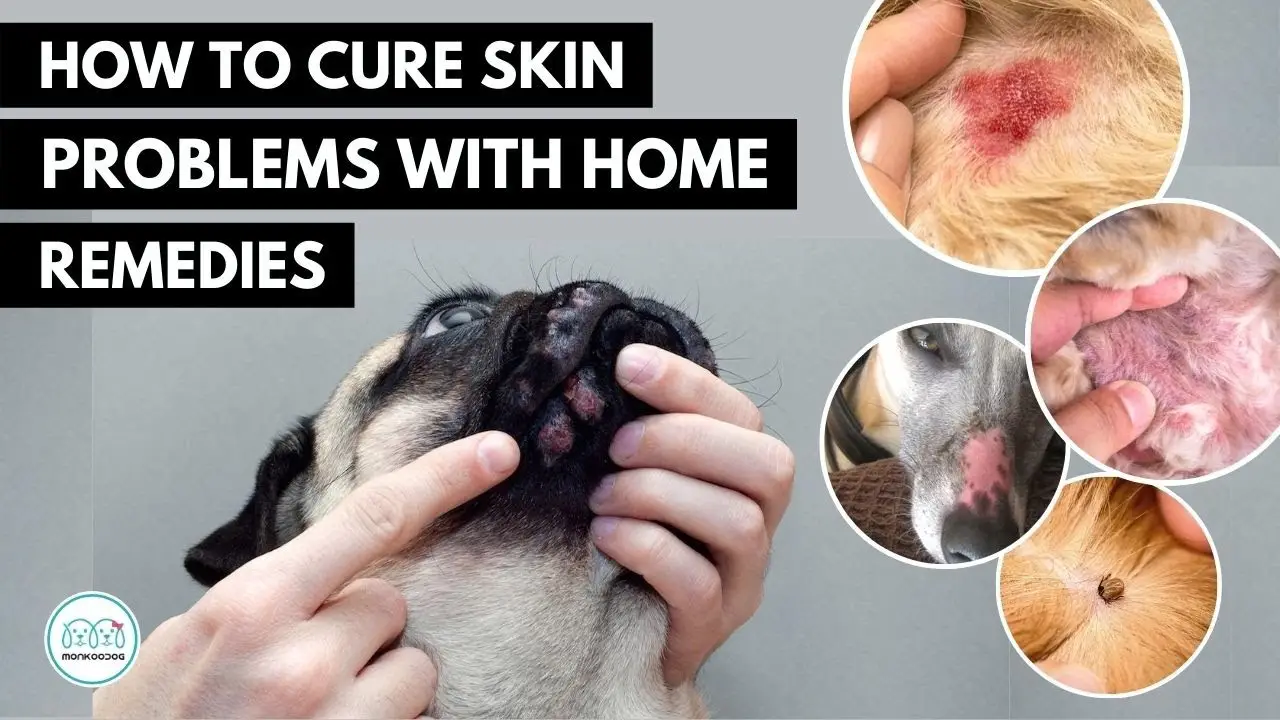
Bacterial and fungal infections are often associated with a compromised skin barrier. This can occur due to allergies causing excessive licking and scratching, which damages the skin and creates an ideal environment for infection.
Bacterial Skin Infections: A Secondary Impact of Skin Issues
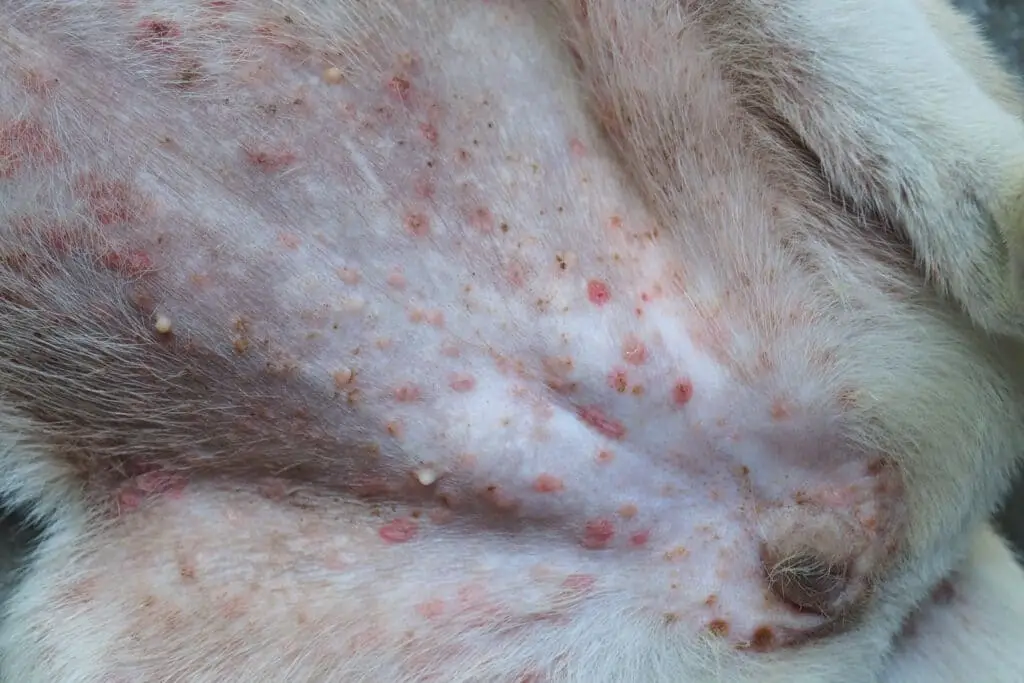
These infections are commonly caused by Staphylococcus and Streptococcus bacteria, which are typically present on the skin in small numbers. However, when the skin’s integrity is compromised by other factors like allergies or trauma, these bacteria can proliferate and cause skin infections.
The appearance of a bacterial skin infection can vary depending on the specific bacteria involved and the severity of the infection. Symptoms can include redness, swelling, pain, discharge (pus), and a foul odor. These infections can be quite painful, and the dog might exhibit behavioral changes, such as lethargy and decreased appetite. Treatment often involves topical or systemic antibiotics and addressing any underlying conditions that led to the weakened skin barrier.
Fungal Infections: Ringworm, a Contagious Threat

Fungal infections, such as ringworm, are often less common than bacterial infections, but they can be quite contagious, affecting other animals in the household and even humans. Ringworm is caused by a fungus, Microsporum canis.
Ringworm commonly presents as circular, scaly patches of skin, often with hair loss. The fungus can be particularly persistent, requiring prolonged treatment with antifungal shampoos or oral medications. Good hygiene practices and environmental sanitation are essential in minimizing spread and preventing reinfection—both to the dog and its companions.
Yeast Infections: An Overgrowth of Normal Residents

Yeast is a normal inhabitant of the skin, but conditions that shift the balance of the skin’s ecosystem can cause an overgrowth, leading to yeast infections. The most common yeast responsible for these infections is Malassezia pachydermatis.
Yeast infections can appear in different ways, depending on the location and severity of the overgrowth. The signs can range from mild changes in skin pigmentation, such as redness or brown discoloration, to severe inflammation, increased odor, and excessive itching. If left untreated, yeast infections can lead to secondary bacterial infections. Treatment often includes topical or systemic antifungal medications, and addressing any predisposing factors, such as allergies or hormonal imbalances, is crucial to prevent reoccurrence.
Hormonal and Systemic Disorders: Unmasking Deeper Problems
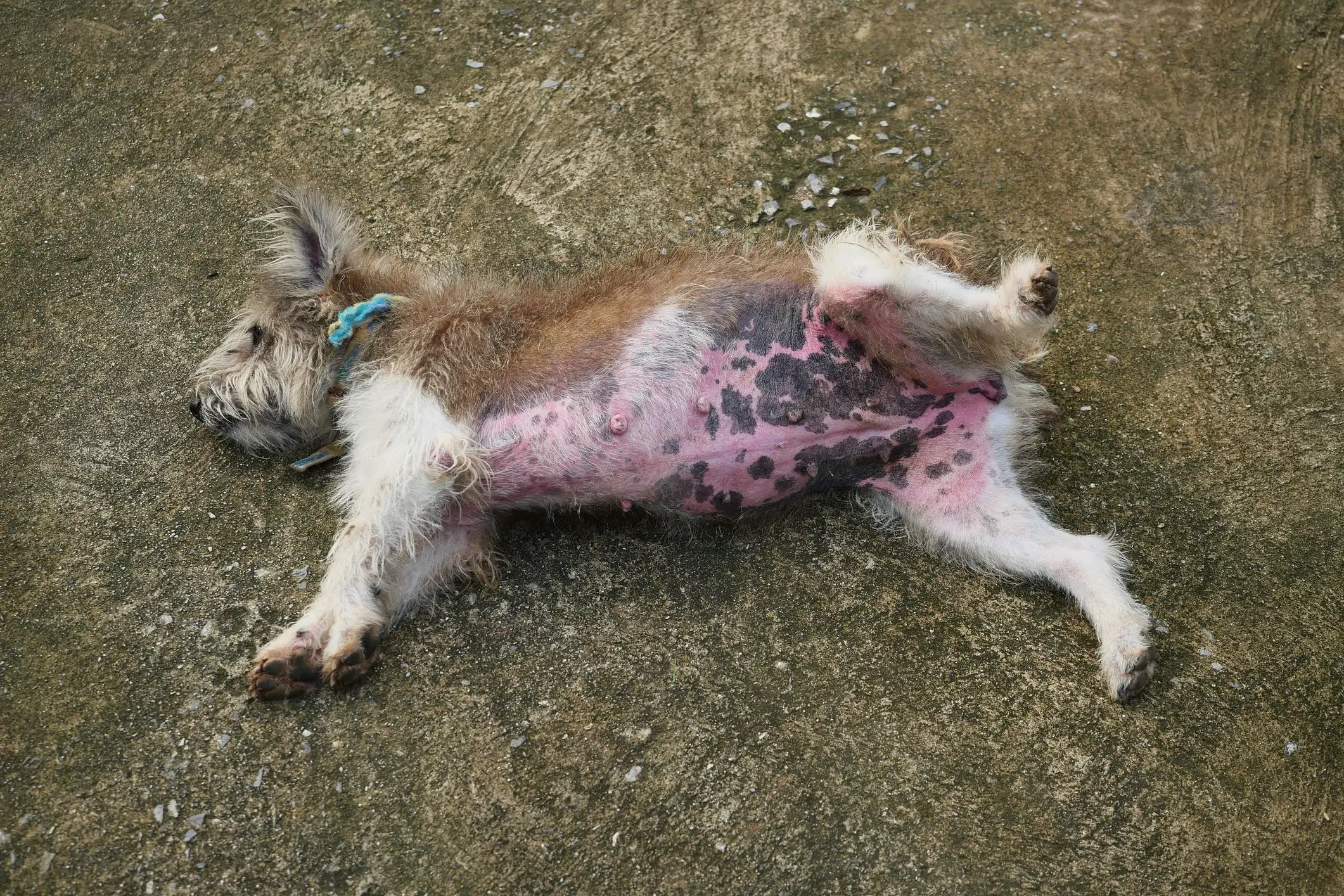
Sometimes, skin problems can be a window into underlying systemic disorders. Hormonal imbalances or other issues within the body can manifest as changes in the skin or hair coat.
Hypothyroidism: Impacts on Skin and Coat
Hypothyroidism, a condition where the thyroid gland doesn’t produce enough thyroid hormone, can impact a dog’s skin in several ways. It can cause dry, flaky skin, hair loss (alopecia), and skin infections.
Hypothyroid dogs often have a dull, brittle, and sparse coat, and the skin can be prone to infections due to decreased sebum production. The diagnosis of hypothyroidism requires a blood test to measure the levels of thyroid hormones. Treatment typically involves daily administration of thyroid hormone replacement medication, which helps restore the hormonal balance and alleviate the dermatological symptoms.
Cushing’s Disease: An Excess of Corticosteroids
Cushing’s disease, also known as hyperadrenocorticism, results from an excess of cortisol, a hormone produced by the adrenal glands. The excessive cortisol can lead to a variety of skin problems, including thin, fragile skin, hair loss, and increased susceptibility to infections.
The changes in skin and coat can be subtle or dramatic, with some dogs developing a pot-bellied appearance and excessive thirst and urination. Diagnosis frequently involves multiple tests, including blood and urine analysis. Treatment options often include medications to manage the excess cortisol production or surgery to remove or address affected adrenal gland tissue.
Other Endocrine Disorders
Hypoadrenocorticism (Addison’s Disease) and hyperadrenocorticism (Cushing’s Disease) are the most common endocrine-related skin disorders, but other conditions such as diabetes mellitus, Pituitary Dwarfism, and acromegaly can also impact skin health.
These conditions can disrupt various bodily functions, affecting the skin’s ability to regulate hydration, produce sebum, and maintain a healthy microbial balance. The specific impact on the skin can vary among dogs, requiring thorough diagnostics and tailored treatment plans to address the underlying hormonal dysfunction.
Conclusion
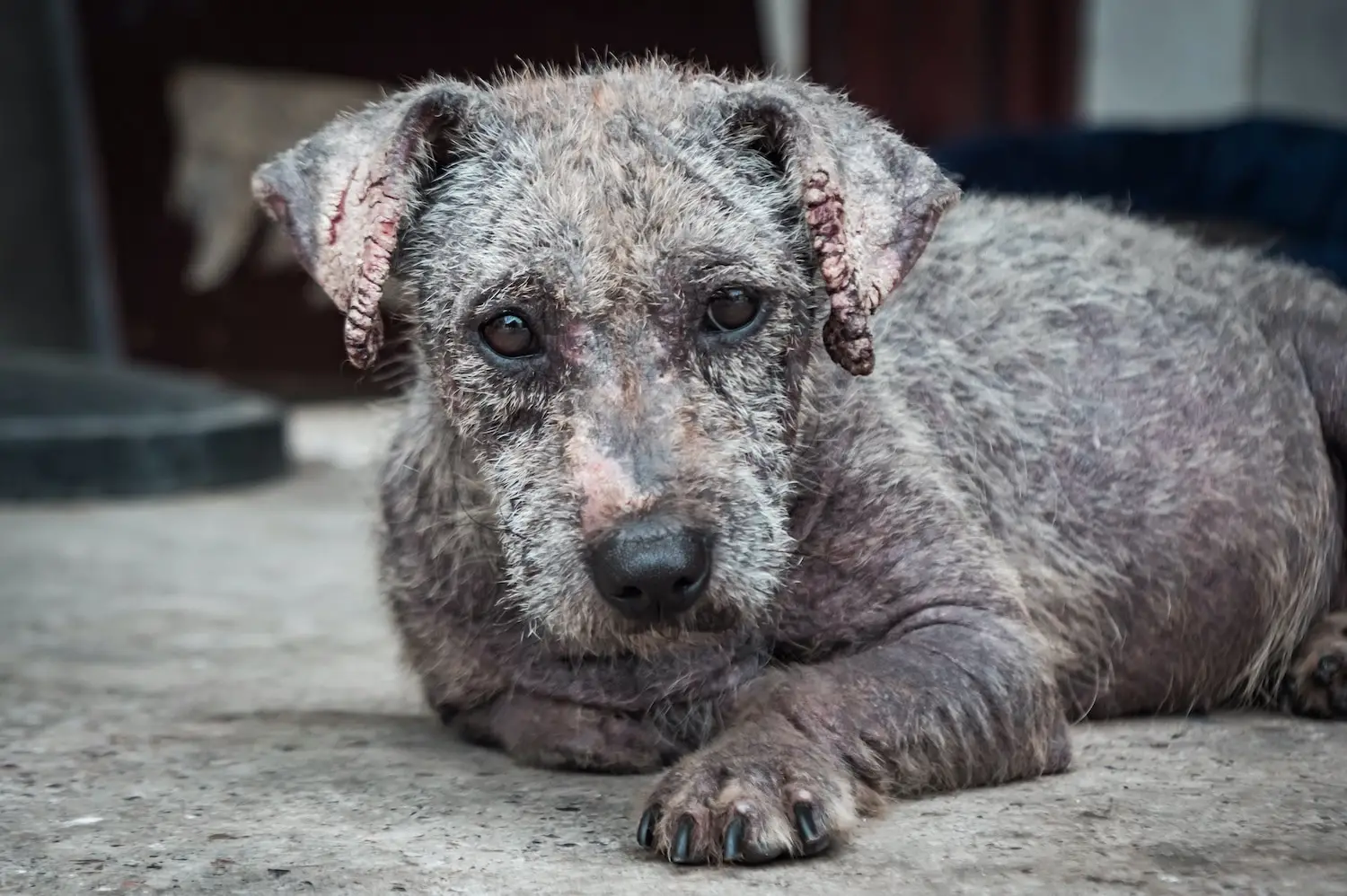
The world of canine skin diseases is incredibly complex, intricately connected to a dog’s overall health and intertwined with environmental, genetic, and lifestyle factors. Understanding the diverse causes and diagnostic tools is crucial for pet owners and veterinarians to create effective management strategies. By recognizing that skin problems can be the outward expression of deeper physiological or psychological stressors, we can foster a more comprehensive and effective approach to treating these issues. The journey to a healthy skin coat begins with open communication between pet owners and veterinarians, leading to accurate diagnoses, tailored treatment plans, and proactive management of the various factors that contribute to canine skin problems. With vigilant care, a good understanding of potential causes, and proactive preventive strategies, we can help ensure that our canine companions can enjoy a life free from the discomfort and complications of skin diseases.
