
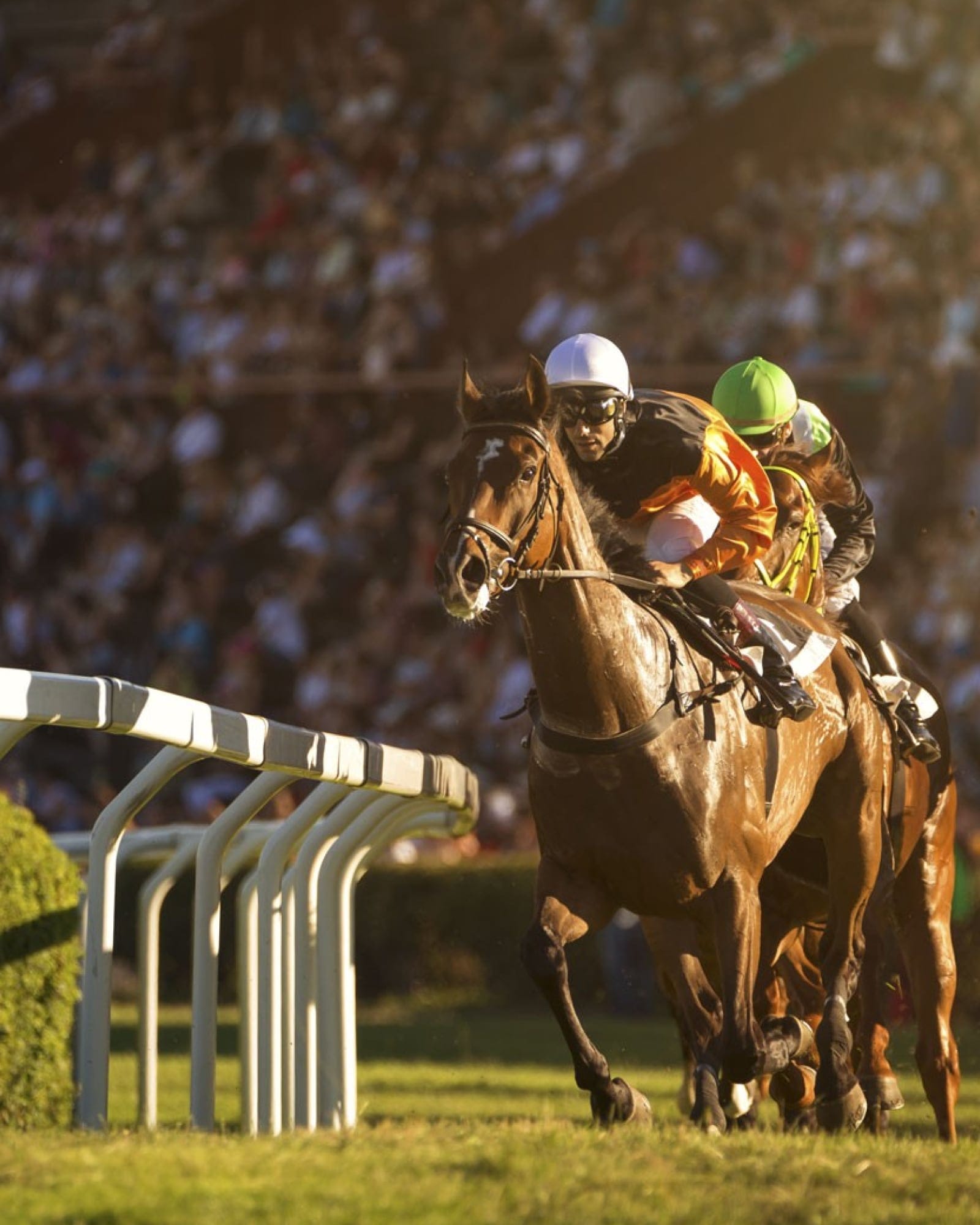
Horse racing, a sport with a history as rich and dynamic as the majestic animals it celebrates, encompasses a fascinating array of disciplines, each with its unique traditions, challenges, and allure. From the thunderous gallop of Thoroughbreds on manicured turf to the rugged endurance tests across varied terrains, the world of horse racing offers a spectacle for every type of enthusiast. Understanding the Different Kinds Of Horse Racing is key to appreciating the full spectrum of this exhilarating sport.
The Thrill of the Gallop: Flat Racing
Flat racing is arguably the most recognized form of horse racing globally, characterized by races run on a level track, typically with no jumps. This discipline is dominated by Thoroughbreds, bred for speed and stamina. The goal is simple: to be the fastest across the finish line.
Classic Flat Races
These are the blue-riband events of flat racing, often restricted to three-year-old horses, and carry immense prestige. They are typically run over middle distances.
- The Classics (UK): This includes the Epsom Derby, the 1000 Guineas, the 2000 Guineas, Epsom Oaks, and St. Leger Stakes. These races are steeped in history and are a cornerstone of the British flat racing season.
- Other Major Classics: Similar prestigious races are held worldwide, such as the Kentucky Derby, Preakness Stakes, and Belmont Stakes in the United States (collectively known as the Triple Crown), the Prix de l’Arc de Triomphe in France, and the Dubai World Cup.
Other Flat Race Types
Beyond the classics, flat racing includes a variety of shorter and longer distance races, handicap races (where horses carry different weights to even the odds), and sprint races. These events showcase a horse’s versatility and a trainer’s skill in preparing their equine athletes for specific challenges.
Overcoming Obstacles: Jump Racing
Jump racing, also known as National Hunt racing in some regions, adds an extra layer of excitement and danger, as horses must navigate a series of obstacles on the racecourse. This discipline demands not only speed but also bravery, agility, and exceptional jumping ability.
Steeplechase
Steeplechases are the most demanding form of jump racing. Horses race over a course of fences and ditches, with distances often exceeding three miles. These races test a horse’s stamina, jumping prowess, and courage to the absolute limit. The Grand National in the UK is perhaps the most famous and challenging steeplechase in the world.
Hurdles Racing
Hurdles races are typically run over shorter distances than steeplechases, and the obstacles, known as hurdles, are smaller and more uniform in design. This allows for a faster-paced race, more akin to flat racing but with the added challenge of jumping. Hurdles races are often seen as a stepping stone for horses progressing towards steeplechasing.
The Ultimate Test of Endurance: Endurance Racing
Endurance racing is a discipline that truly emphasizes the horse’s stamina, resilience, and partnership with its rider. Unlike track-based racing, endurance rides take place over long distances, often 25 to 100 miles or more, across natural terrains such as deserts, forests, and mountains.
The Objective
The primary goal in endurance racing is not just speed, but the horse’s overall condition and well-being at the end of the ride. Horses are regularly vetted by veterinarians throughout the ride to ensure they are fit to continue. The horse that completes the course with the best overall condition, alongside a good finishing time, is the winner. This sport highlights the deep bond and communication between horse and rider.
Harness Racing: A Different Kind of Speed
Harness racing, popular in North America and parts of Europe, involves horses pulling a two-wheeled cart, known as a sulky, occupied by a driver. The horses do not carry a rider; instead, they race at either a trot or a pace.
Trotting vs. Pacing
- Trotters: In trotting races, horses are trained to perform a diagonal gait where opposite legs move in unison (e.g., left front and right hind leg move together). Maintaining this gait is crucial; if a trotter breaks into a gallop, they incur a penalty or may be disqualified.
- Pacers: Pacers move their legs on the same side of the body in unison (e.g., both left legs move together, then both right legs move together). Pacing is generally a faster gait than trotting.
Harness racing requires horses with specific gaits, stamina, and the ability to race while pulling a sulky, showcasing a different set of athletic capabilities compared to traditional racing.
Western Style Racing: Speed with a Different Flair
While often associated with rodeo, Western racing, such as Quarter Horse racing, is a distinct discipline emphasizing explosive speed over short distances. Quarter Horses are renowned for their incredible acceleration and are typically raced over distances of a quarter-mile or less. This type of racing is characterized by its unique track surfaces, often dirt, and the distinctive Western tack and attire.
The Future of Racing: Innovation and Inclusivity
The world of horse racing is continually evolving. Innovations in training techniques, equine welfare, and even the types of racing are constantly being explored. With a sport that spans such diverse disciplines, there’s a unique place for every horse and rider, celebrating the incredible athleticism, partnership, and spirit of these magnificent animals. Whether it’s the raw speed of a flat race, the bravery required in jump racing, the endurance challenge, or the unique gaits of harness racing, the diversity in horse racing ensures its enduring appeal to audiences worldwide.
