
Introducing wet food into your cat’s diet can offer numerous health benefits, including increased hydration and a nutrient-dense formula to support overall well-being. However, determining the right amount to feed can be a common question for cat owners. This guide will delve into the factors influencing your cat’s portion sizes, feeding frequency, and the importance of wet food in their diet.
Determining Your Cat’s Wet Food Portion Size
Most pet food manufacturers provide feeding guidelines on their wet food packaging. For instance, Farmina® N&D Prime Chicken & Pomegranate canned wet food suggests feeding 3.25 cans daily for a 10-pound cat. Nevertheless, it is crucial to consult your veterinarian to tailor these recommendations to your cat’s specific needs, as individual requirements can vary.
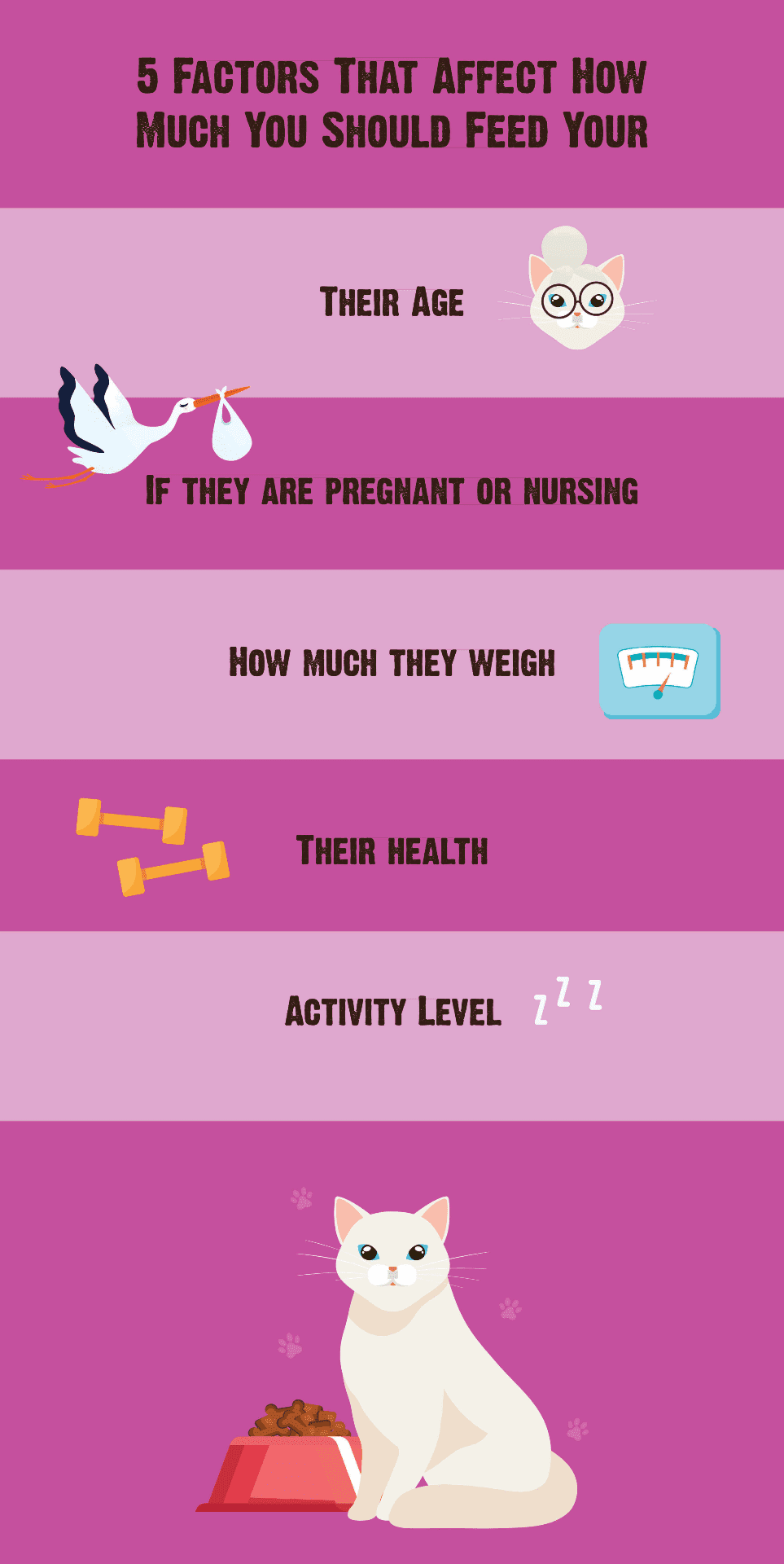
Several factors influence how much wet food your cat requires:
- Age: Kittens, being in a rapid growth phase, need approximately double the calories of mature cats.
- Weight: A cat’s weight directly correlates with their energy requirements for maintaining bodily functions and lean muscle mass.
- Activity Level: Beyond a baseline metabolic rate, more active cats will generally need more food to sustain their energy expenditure compared to less active felines.
- Pregnancy or Nursing: Female cats who are pregnant or nursing kittens require an additional 25–50% of calories daily.
- Spay/Neuter Status: Spaying or neutering can reduce a cat’s baseline metabolism by around 30%, necessitating a reduction in food intake to maintain a healthy weight.
Wet Food Feeding Chart for Cats
The following chart provides general daily feeding guidelines, assuming a wet food containing 90 calories per 2.5-ounce can, with wet food as the sole source of nutrition for a spayed or neutered lean cat. Always confirm these portions with your veterinarian.
| Cat’s Weight | Kitten | Lean Cat | Overweight Cat | Pregnant | Nursing |
|---|---|---|---|---|---|
| 5 pounds | 3.5 cans | 1.75 cans | 1.5 cans | 2.75 cans | 2.75 cans |
| 10 pounds | 6 cans | 3 cans | 2.5 cans | 5 cans | 5 cans |
| 15 pounds | 8 cans | 4 cans | 3.25 cans | 6.5 cans | 6.5 cans |
| 20 pounds | 9.75 cans | 5 cans | 4 cans | 8 cans | 8 cans |
For example, a 5-pound kitten might need 3.5 cans of Farmina N&D Prime Chicken & Pomegranate Kitten Food daily, while a 10-pound overweight adult cat would be fed approximately 2.5 cans of Farmina N&D Prime Lamb & Blueberry Wet Cat Food per day.
Feeding Frequency for Wet Cat Food
The frequency of feeding wet food depends on your cat’s individual dietary plan. Cats exclusively fed wet food can have their daily portion divided into two or three meals. If wet food is used to supplement dry kibble, one or two wet food meals per day may suffice. It’s essential to account for the total calorie intake from all food sources and treats to prevent unintentional overfeeding, which can lead to weight gain and related health issues. Some cats may require wet food for specific medical reasons, such as dental problems or recovery from illness, to encourage appetite and ensure adequate nutrient intake.
The Importance of Wet Food in a Cat’s Diet
Wet cat food offers significant advantages, including enhanced hydration, appetite stimulation, and support for weight management, making it a vital component of a cat’s diet.
Hydration Support
With approximately 70% more water content than dry food, wet food is an excellent way to ensure cats stay hydrated, as they are not always inclined to drink ample water. Proper hydration aids digestion, prevents constipation, and supports urinary tract health by diluting urine, thereby reducing the risk of crystal formation. This is particularly beneficial for cats with kidney disease.
Appetite Stimulation
The appealing aroma and flavor of wet cat food can effectively stimulate appetite, which is especially helpful for finicky eaters or cats experiencing a reduced appetite.
Weight Management Aid
Wet food generally contains fewer calories per serving than dry food, making it an advantageous option for cats who need to lose weight. Cats can consume comparable or even larger volumes of wet food while ingesting fewer calories.
Sensory Enrichment
The variety of textures and flavors available in wet cat food provides a stimulating and enjoyable eating experience for cats.
Ease of Consumption
For cats suffering from severe dental disease or those who have undergone extensive dental extractions, the soft texture of wet food allows for comfortable eating and helps maintain balanced nutrition.
Lower Carbohydrate Content
Wet food typically has a lower carbohydrate content compared to dry food, making it a suitable dietary choice for cats with diabetes, who thrive on low-carbohydrate diets.
Selecting the Right Wet Cat Food
When choosing the best food for your cat, prioritize brands that invest in research and conduct feeding trials. For example, Farmina employs leading experts in nutrition and veterinary medicine to ensure product quality and efficacy. Consulting your veterinarian is paramount for selecting the most appropriate food and for guidance on transitioning your cat to a new diet gradually over one to two weeks to prevent digestive upset.
Life Stage Appropriateness
Choosing food formulated for your cat’s specific life stage ensures their nutritional requirements are met. Kitten-specific formulas, like Farmina N&D Prime Chicken & Pomegranate kitten wet food, are designed for growth, while adult formulas like Farmina N&D Ocean Sea Bass, Sardine & Shrimps wet cat food cater to adult needs.
Ingredient Quality
Cats require protein, fats, vitamins, minerals, carbohydrates, and water for optimal health. Protein is crucial for cellular function, with common sources including fish and chicken. Novel proteins, such as wild boar found in Farmina’s N&D Prime Wild Boar & Apple wet cat food, can benefit cats with food allergies. Fats, like fish oil, provide energy and essential fatty acids. Vitamins and minerals are vital for overall health, and while carbohydrates provide energy, cats’ needs are relatively low, deriving most energy from protein and fats. Always check for the Association of American Feed Control Officials (AAFCO) nutritional adequacy statement on the packaging to ensure the food is complete and balanced for your cat’s life stage.
Health Condition Management
Veterinary therapeutic diets, available only through veterinary authorization, can significantly aid cats with specific health conditions. For example, Farmina’s Vet Life Urinary ST Management wet cat food is formulated to prevent urinary stones, while Farmina’s Vet Life Cat Renal Recipe in Gravy wet cat food helps manage kidney disease by reducing the kidneys’ workload. For cats recovering from illness and experiencing weight loss, Farmina’s Vet Life Recoup Recipe wet cat food is highly palatable, digestible, and energy-rich to support recovery.
Texture Preferences
Wet cat food is available in various textures, including shredded, chunks in broth or gravy, pâté, and puree. Experimenting with different textures may be necessary to discover your cat’s preference.
Serving Wet Cat Food
Some cats prefer wet food chilled, while others enjoy it at room temperature. Warming wet food slightly in the microwave can enhance its aroma and flavor, making it more appealing, especially for cats with nasal congestion. Always test the temperature before serving to prevent burns. Avoid repeated overheating, which can degrade nutrients. Discard any uneaten wet food within two hours to maintain freshness and prevent spoilage.
Storing Wet Cat Food
- Unopened cans: Store in a cool, dark place like a pantry. Always check expiration dates.
- Opened cans: Cover tightly with an airtight can cover or lid and refrigerate at or below 37°F. Discard any unused food after three days.
Feeding Wet Cat Food FAQs
Can I overfeed my cat wet food?
Yes, overfeeding wet food can lead to weight gain and obesity-related health issues. While manufacturer guidelines are a starting point, your veterinarian is the best resource for determining the precise amount of food for your individual cat.
What is the best ratio of wet food to dry food for cats?
A common recommendation for a mixed diet is approximately 2/3 wet food to 1/3 dry food, but consulting your vet is crucial for the ideal ratio for your pet. Mixing can make calorie counting complex, so seek professional advice to avoid under or overfeeding.
How long can wet cat food sit out?
Wet cat food should not be left at room temperature for more than two hours, as it can become a breeding ground for bacteria.
This sponsored article was paid for by Farmina Pet Foods. All opinions within belong to Farmina.
