
Providing your cat with the proper nutrition is fundamental to ensuring a long and healthy life. Understanding their dietary needs, the types of commercial foods available, and how to select the best options can significantly impact your cat’s well-being. This guide explores the essential nutrients for felines, examines the various commercial cat food options, and offers advice on making informed dietary choices.
Cats are obligate carnivores, meaning their diet must be derived from animal products to obtain essential nutrients. Their evolutionary history as hunters has shaped their nutritional requirements: a diet rich in protein, moderate in fat, and very low in carbohydrates. Beyond these macronutrients, cats require over a dozen other vital nutrients, including specific vitamins, minerals, fatty acids, and amino acids. It’s important to note that while these nutrients are crucial, excessive amounts, especially of vitamins and minerals, can be harmful. Therefore, supplementing a balanced and complete commercial diet is generally unnecessary and should only be done under veterinary guidance. Always ensure your cat has constant access to clean, fresh water.
Understanding Commercial Cat Food Options
Commercial cat foods are available in three primary forms: dry, semi-moist, and canned. Each type varies in its water content, nutritional profile, palatability, and digestibility.
Dry Food
With a water content typically between 6% and 10%, dry cat food consists of bite-sized pieces formed by extruding a mixture of ingredients. Common components include meat or meat byproducts, poultry, grains, fish meal, fiber sources, milk products, and vitamin and mineral supplements. Often, animal fat is used to coat these pieces, enhancing their appeal to cats.
The primary advantages of dry food are its affordability and convenience. Because it doesn’t dry out quickly, owners can practice “free-choice” feeding, leaving food out for extended periods. However, dry food may be less palatable to some cats compared to moist options and can be less digestible depending on ingredient quality. Storing dry food properly is crucial; unused portions should be kept in a cool, dry place, ideally in an airtight container, to prevent nutrient degradation and rancidity, and always check the expiration date.
Semi-Moist Food
Semi-moist cat food, with roughly 35% moisture content, typically features meat and meat byproducts as its main ingredients. It also includes soybean meal, cereals, grain byproducts, and preservatives. This type of food is generally mid-priced and can be more appealing to certain cats than dry food. While it can also be fed free-choice, opened packages can lead to the food drying out, reducing palatability and potentially becoming rancid.
Canned Food
Canned cat food boasts a high moisture content, at least 75%, making it an excellent source of hydration for cats. While generally the most expensive option, it is highly palatable for most felines and comes in a wide variety of flavors, which is beneficial for picky eaters. Unopened canned food has a long shelf life, but any leftovers must be refrigerated to maintain quality and prevent spoilage. Gourmet varieties often highlight meats like kidney or liver. It is crucial to read nutrition labels carefully, as some specialty canned foods may not be nutritionally complete and balanced without a proper guarantee.
Selecting the Best Food for Your Cat
Commercially prepared cat foods are formulated to provide the correct balance of nutrients and calories. The Association of American Feed Control Officials (AAFCO) has established minimum nutritional standards for cats, which manufacturers adhere to. Cats thrive on a diet rich in animal-based protein.
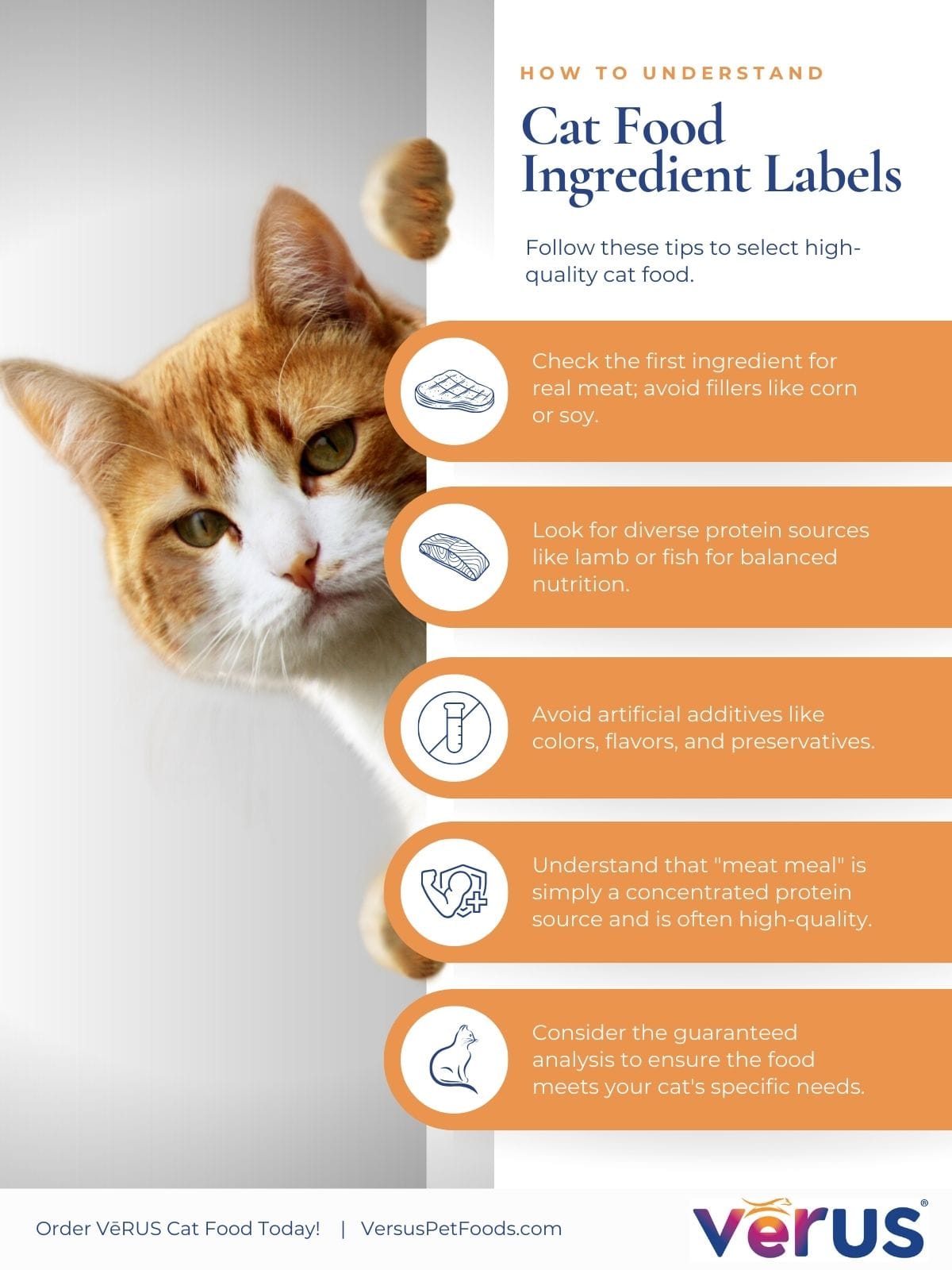
The most effective way to compare cat foods is by reading the nutrition label. Manufacturers are required by the AAFCO and the FDA to provide specific nutritional information. Look for an “AAFCO statement,” which guarantees the food is nutritionally complete and balanced for a specific life stage.
A cat’s nutritional needs evolve throughout its life, including kittenhood, adulthood, pregnancy, and lactation. Ensure the food is labeled for the appropriate life stage. Some foods are formulated for “all life stages,” which can simplify choices for households with cats of varying ages.
When reviewing the ingredients list, note that items are listed by decreasing weight. Foods listing meat, meat byproducts, or seafood among the first few ingredients are likely to contain sufficient animal-source nutrients to meet essential amino acid and fatty acid requirements.
Once you’ve confirmed a food is complete and balanced, the choice between dry, semi-moist, or canned often comes down to your cat’s preference. Some cats enjoy a combination of textures and flavors, so experimenting to find what your cat likes best is key. If your cat is struggling with weight, options like diet cat food for overweight cats or dry cat food for weight loss can be beneficial. For specific concerns, wet cat food for hairballs or diet cat food wet formulas are also available.
Homemade Diets and Treats
Preparing homemade cat food can be challenging, as achieving the correct nutrient balance and proportions is difficult. It is generally recommended to opt for nutritionally balanced commercial foods unless a veterinarian prescribes a specific homemade recipe for medical reasons, developed by a certified animal nutritionist.
While occasional treats are acceptable, they should not constitute a significant portion of your cat’s diet, ideally not exceeding 10-15% of their daily caloric intake. Raw meat, despite its nutritional value, is not recommended due to the risk of toxoplasmosis and other infectious diseases. Similarly, human-grade canned fish products can pose neurological risks, and many cats are lactose-intolerant, making milk a potential cause of gastrointestinal upset.
Additional Dietary Considerations
Cats can be particular about their dining environment. Factors like high traffic, noise, the presence of other pets, dirty containers, or proximity to litter boxes can deter them from eating. Paying attention to your cat’s eating behavior and adjusting their environment accordingly is important.
Maintaining a healthy weight is critical, as obesity is the most common nutrition-related issue in cats and can lead to problems like arthritis and diabetes. Consult your veterinarian to determine your cat’s ideal weight and to receive guidance on adjusting their diet.
Some cats develop finicky eating habits. Offering two or three different cat foods can provide flavor variety and prevent an over-reliance on a single food. A cat that refuses to eat and is losing weight requires prompt veterinary attention, as this can indicate serious medical issues.
