
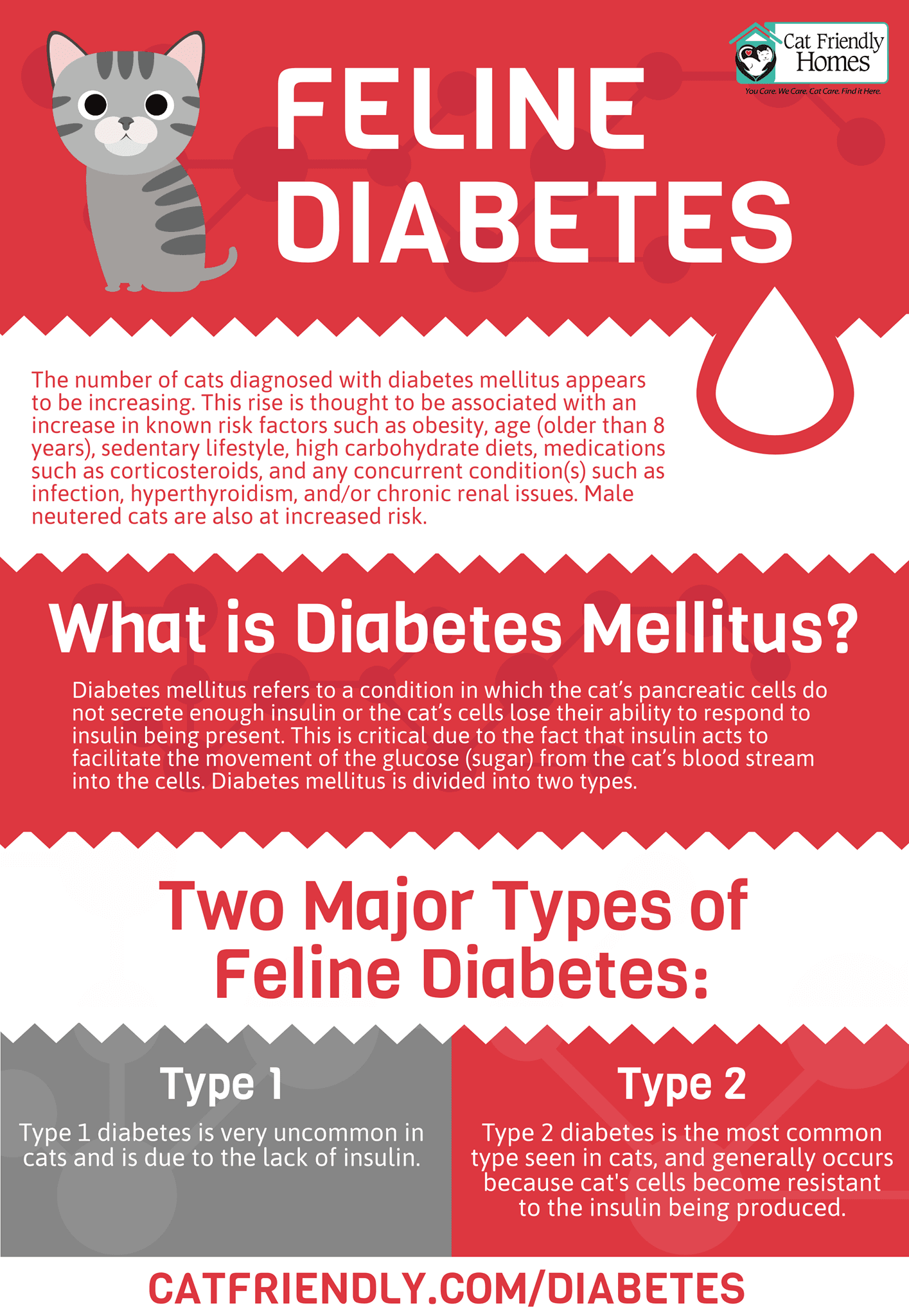
Diabetes mellitus, a condition affecting the endocrine system where the body struggles with insulin production or utilization, is not exclusive to humans. Cats, too, can develop this disease, with an estimated one in 100 felines affected in their lifetime. This prevalent condition is particularly common in overweight cats, underscoring the link between excess weight and feline diabetes. Understanding the signs, risk factors, and treatment options is crucial for pet parents to ensure their feline companions lead healthy lives.
What is Diabetes in Cats?
Diabetes in cats is a significant health concern, with statistics indicating that approximately 1% of the feline population will develop the condition. The prevalence is higher in cats weighing over nine pounds, highlighting obesity as a major contributing factor. This comprehensive guide will delve into everything a cat owner needs to know about feline diabetes, from recognizing its symptoms to navigating the complexities of treatment.
Types of Feline Diabetes
Similar to humans, cats can be diagnosed with different types of diabetes:
- Type I Diabetes (Insulin-Deficient Diabetes): This form, where the pancreas fails to produce sufficient insulin, is rare in cats.
- Type II Diabetes (Insulin-Resistant or Non-Insulin-Dependent Diabetes): This is the most common type in felines. It’s characterized by the body’s tissues being unable to effectively use the insulin produced by the pancreas for glucose metabolism, despite potentially adequate insulin levels.
Signs of Diabetes in Cats
Recognizing the symptoms of diabetes is vital for early detection and intervention. If you suspect your cat may be exhibiting any of the following signs, contact your veterinarian immediately:
- Increased thirst and urination
- Increased appetite
- Weight loss
- Lethargy
- Poor coat quality
- Vomiting
- Weakness in the hind legs
It’s important to note that some of these symptoms are not unique to diabetes and can indicate other serious health issues such as kidney disease, hyperthyroidism, or pancreatitis. A thorough veterinary examination is necessary to rule out other conditions.
Cat Diabetes Risk Factors
While any cat can develop diabetes, certain factors increase the risk. The condition is more commonly diagnosed in middle-aged, male cats who are obese. Key risk factors include:
- Obesity: Excess body weight significantly increases the likelihood of developing diabetes.
- Lack of Physical Activity: A sedentary lifestyle contributes to weight gain and reduced insulin sensitivity.
- Increasing Age: Older cats are generally at a higher risk.
- Sex: Male cats are diagnosed more frequently than females.
- Neutering: Studies suggest a correlation between neutering and an increased risk.
- Glucocorticoid (Steroid) Therapy: Long-term use of these medications can predispose cats to diabetes.
Additionally, certain underlying medical conditions can play a role:
- Hyperthyroidism
- Pancreatitis
- Asthma (often linked to steroid medication use)
Diagnosing Diabetes in Cats
A diagnosis of feline diabetes is typically made based on a combination of the clinical signs reported by owners and elevated glucose levels found in the cat’s blood and urine. Veterinarians will usually perform a full blood work-up and a urinalysis. To assess long-term glucose levels, a serum fructosamine test may also be conducted, providing insight into the cat’s average blood glucose over a period of weeks.
Cat Diabetes Treatment
Currently, there is no cure for diabetes in cats. Treatment is a lifelong commitment requiring dedication from the entire family and consistent communication with your veterinarian. At diagnosis, hospitalization may be necessary to stabilize glucose levels and ensure the cat is well enough for home care. Cats in a state of diabetic ketoacidosis will require more intensive and extended veterinary care.
The primary goals of treatment are to:
- Normalize blood glucose levels.
- Reduce or eliminate excessive thirst and urination.
- Restore normal weight and appetite.
- Prevent dangerously low blood sugar (hypoglycemia).
Your veterinarian will create a personalized treatment plan, addressing any concurrent health issues.
Medical and Lifestyle Changes
- Insulin Therapy: Insulin injections are crucial for maintaining normal blood sugar levels. Your vet will guide you on dosage and administration.
- Diabetic-Friendly Diet: A specialized diet can help regulate glucose levels and potentially reduce insulin needs. Wet food diets, which are lower in carbohydrates and higher in protein, are often preferred. Your vet will advise on whether a combination of wet and dry food is appropriate.
- Weight Management: Achieving and maintaining a lean body weight is essential. Portion control and increased exercise are key components.
Cost of Cat Diabetes Treatment
The financial aspect of managing feline diabetes varies. Initial diagnosis and stabilization can be more costly than ongoing maintenance. Routine vet visits, blood tests, insulin, syringes, and prescription diets all contribute to the overall cost. Insulin vials typically range from $25–$100 and last about a month. Veterinary visits can cost $30–$120, with lab work adding another $50–$100. Prescription diabetic cat food can also be a significant expense.
Diabetes in Cats Prognosis
With prompt and proper treatment, cats with diabetes can live long, healthy lives. However, those who develop diabetic ketoacidosis or have kidney enzyme issues generally have a less favorable prognosis. In some instances, diabetic cats may even enter remission. Untreated diabetes is fatal, as persistently high blood sugar levels lead to suffering and ultimately death.
Caring for a Diabetic Cat at Home
Consistent home care is essential for managing your cat’s diabetes:
- Monitoring Glucose Levels: Regularly checking your cat’s blood glucose at home using a glucometer like AlphaTRAK® can help track glycemic control. Urine glucose monitoring is a less invasive but less accurate alternative. Your vet will help determine the best monitoring method for you and your cat.
- Monitoring Insulin Response: Be vigilant for signs of hypoglycemia (low blood sugar), a serious potential complication. Strictly adhere to your veterinarian’s feeding and insulin schedule, and never administer a full insulin dose if your cat is not eating.
- Managing Diet and Weight: Stick to the prescribed nutritional plan and feeding schedule. Avoid changing your cat’s diet without consulting your veterinarian.
- Providing Appropriate Exercise: Encourage physical activity to help your cat maintain a healthy weight.
- Keeping a Daily Log: Record your cat’s diet, glucose test results, insulin doses, and weekly body weight. This log helps identify trends and allows for timely intervention if deviations occur.
Managing feline diabetes requires diligence, but with the right approach and veterinary support, your cat can enjoy a good quality of life.
