
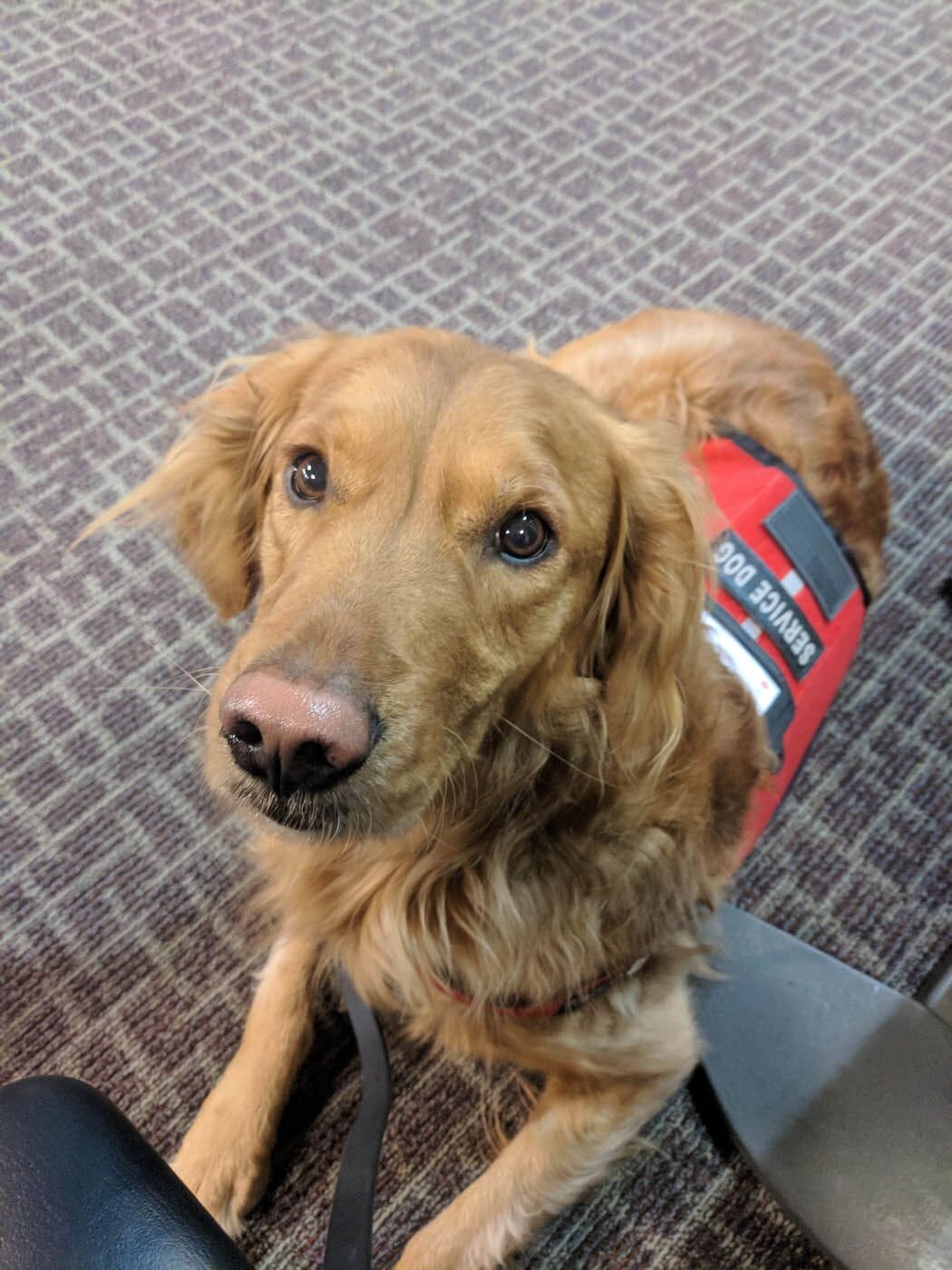
Training a diabetic alert dog is a significant investment, but one that can offer invaluable support and independence for individuals managing diabetes. These highly trained canine companions can detect subtle changes in blood glucose levels, providing an early warning system that can prevent dangerous hypo- or hyperglycemic events. Understanding the various costs associated with this specialized training is crucial for anyone considering bringing one of these remarkable dogs into their lives.
The overall cost for a diabetic alert dog can range widely, typically from $15,000 to $50,000, and sometimes even more. This price reflects the extensive training, specialized breeding, and ongoing support involved. It’s important to break down these costs to understand what goes into creating such a capable service animal.
Factors Influencing Training Costs
Several key factors contribute to the overall expense of diabetic alert dog training. These include the training program’s reputation and methodology, the dog’s lineage and initial health assessments, the duration and intensity of the training, and any specialized equipment or ongoing support provided.
Training Program and Methodology
The reputation and experience of the training organization play a significant role in the cost. Established programs with a proven track record of success, highly skilled trainers, and comprehensive curriculum often command higher fees. These programs typically employ science-based training methods, focusing on positive reinforcement and scent discrimination. The level of personalization in the training, tailored to the individual’s specific needs and lifestyle, also impacts the price. Some programs might offer group training sessions at a lower cost, while fully customized one-on-one training will naturally be more expensive.
Dog Selection and Breeding
The selection of the dog itself is a critical component of the cost. Reputable programs often invest in high-quality breeding stock known for their intelligence, temperament, and strong scent-detection abilities. Purebred dogs from champion lines or those specifically bred for service work will generally be more expensive than mixed breeds or dogs acquired from shelters, although some organizations do work with rescue dogs and adapt them for service roles. Thorough veterinary assessments, genetic testing, and initial socialization are also factored into the cost of acquiring and preparing the dog for advanced training.
Duration and Intensity of Training
Diabetic alert dog training is a lengthy and intensive process, often spanning 6 to 12 months, sometimes longer. This duration is necessary to ensure the dog is proficient in scent detection, alert behaviors, and public access skills. The more advanced and reliable the training, the higher the cost. This includes training the dog to recognize specific scent profiles associated with low and high blood sugar, as well as teaching them distinct alert behaviors, such as nudging, pawing, or bringing specific items. Public access training, ensuring the dog can behave appropriately in various environments, also adds to the training time and cost.
Ongoing Support and Equipment
Many training programs offer ongoing support to handlers and their dogs, which is often included in the initial cost or available as an additional service. This can include follow-up training sessions, behavioral consultations, and access to a support network. Specialized equipment, such as service dog vests, specialized leashes, and GPS tracking devices, may also be part of the package or an additional expense.
Understanding the Value Proposition
While the upfront cost of a diabetic alert dog is substantial, it’s essential to consider the immense value they bring to the handler’s life. These dogs provide a heightened sense of security, enabling greater independence and reducing the constant anxiety associated with managing diabetes. They can alert their handler to dangerous blood sugar fluctuations before symptoms become severe, potentially preventing medical emergencies, hospitalizations, and long-term health complications.
Reduced Healthcare Costs
In the long term, a diabetic alert dog may even lead to reduced healthcare costs. By preventing severe hypoglycemic or hyperglycemic events, the need for emergency room visits, hospital stays, and costly medical interventions can be significantly minimized. The dog’s early warnings can help maintain better blood glucose control, contributing to overall health and well-being.
Enhanced Quality of Life
Beyond the medical benefits, diabetic alert dogs profoundly enhance their handler’s quality of life. They offer companionship, reduce feelings of isolation, and provide a constant sense of reassurance. This emotional support, combined with the increased freedom and confidence that comes from having a reliable alert system, can lead to a more fulfilling and active lifestyle. For many, a diabetic alert dog is not just a pet or a tool; it’s a life-changing partner.
Alternatives and Financial Considerations
For individuals for whom the full cost of a professionally trained diabetic alert dog is prohibitive, there are alternative routes to consider. Some organizations offer tiered pricing based on income, and grants or fundraising opportunities may be available through non-profits dedicated to supporting individuals with disabilities.
Owner-Training and Professional Guidance
Another option is owner-training, where the handler trains the dog themselves, often with guidance from a professional trainer. This approach can significantly reduce costs, as the primary expense is the dog itself and the professional’s consulting fees. However, owner-training requires a substantial commitment of time, patience, and skill from the handler. It’s crucial to work with a trainer experienced in service dog tasks, particularly scent detection for medical alerts. This ensures the training is conducted correctly and ethically, maximizing the chances of success. It is important to understand that getting your dog service trained requires dedication.
Fundraising and Grants
Numerous organizations and foundations exist to help individuals with diabetes afford the costs associated with service animals. Exploring these avenues through diligent research can uncover potential financial assistance. Many of these programs understand the life-saving benefits and strive to make these incredible dogs accessible to those who need them most.
Conclusion: An Investment in Well-being
The cost of diabetic alert dog training is a significant, yet often justifiable, investment for individuals seeking enhanced safety, independence, and emotional support in managing diabetes. While the figures may seem high, they represent the rigorous process of selecting, training, and supporting a highly specialized canine partner. By understanding the factors that contribute to these costs and exploring available financial assistance options, more people can experience the life-changing benefits that a diabetic alert dog can provide. The bond formed with these exceptional dogs, coupled with their life-saving capabilities, makes them an unparalleled asset for those living with diabetes.
