
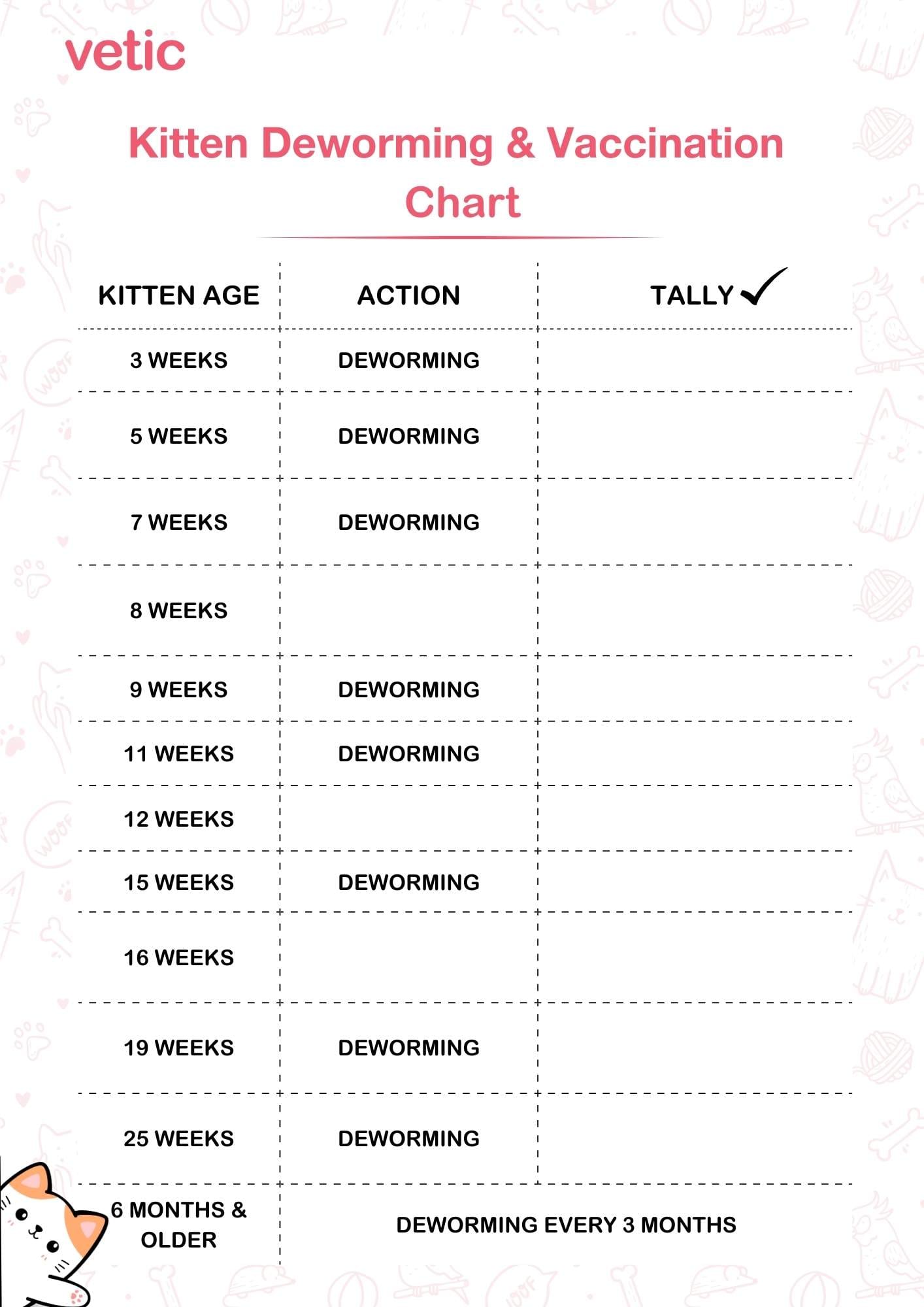
Bringing a new kitten into your home is an exciting time, but it also comes with significant responsibilities, especially concerning their health. One of the most critical aspects of kitten care is preventing and treating internal parasites, commonly known as worms. These tiny invaders can have a profound impact on a kitten’s well-being, hindering their growth and nutrient absorption. In severe cases, worm infestations can lead to serious health complications, including diarrhea, dehydration, and even be fatal. Furthermore, some worm species pose a zoonotic risk, meaning they can be transmitted to humans. Therefore, understanding when and how to deworm your kitten is paramount. This guide, drawing on expert veterinary advice, will walk you through the essential steps to ensure your feline friend stays healthy and worm-free. For comprehensive pet care, consider exploring resources at a pet hospital to ensure your kitten receives the best possible medical attention.
How Kittens Acquire Worms
Worms are a common issue, and it’s a misconception that only outdoor kittens are at risk. Even kittens living exclusively indoors can contract these parasites. Infected mother cats can transmit worms to their kittens during pregnancy through the placenta or while nursing. More commonly, both mother cats and kittens are exposed to worm larvae and eggs from their environment. Obvious risks include hunting small prey like rodents or birds, or ingesting contaminated feces. However, microscopic worm eggs can easily be brought into the home by pet parents on their shoes or clothing and then ingested by the kitten during grooming. Fleas also act as vectors, transmitting parasites if ingested by a kitten.
The Necessity of Deworming All Kittens
Given the high prevalence of worms in young felines, it is strongly recommended to treat every kitten for worms, especially if they have not yet been tested and treated. It’s estimated that roundworms, one of the most prevalent parasites in cats, infect over 75% of kittens. Veterinarians diagnose worm infections by examining a fresh fecal sample under a microscope for worm eggs. While less common, in some instances, adult worms may be visible to the naked eye as small, white, rice-like segments near the kitten’s rectum or as tiny white swirls in the stool.
It’s important to note that a negative fecal test does not always rule out an infection, as kittens can harbor immature worms that are not yet producing eggs. Consequently, kittens under 16 weeks of age, and any kitten receiving their initial veterinary visit, should always be treated for worms. This is particularly crucial if they exhibit symptoms such as diarrhea, vomiting, a poor hair coat, a pot-bellied appearance, weight loss, anemia, a wobbly gait, or yellowing of the skin (jaundice).
Common Types of Worms Found in Kittens
Kittens are susceptible to various types of intestinal parasites, each requiring specific treatment. The primary culprits include:
- Roundworms (Toxocara cati): These are long, spaghetti-like worms that can grow up to four inches in length. They are the most common type found in kittens and can cause a pot-bellied appearance, vomiting, diarrhea, and poor growth.
- Hookworms (Ancylostoma tubaeforme): These are small, thin worms that attach to the intestinal lining and feed on blood. Hookworm infections can lead to anemia, weakness, and bloody diarrhea.
- Tapeworms (Dipylidium caninum): Tapeworms are long, flat, segmented worms that attach to the intestinal wall. Segments of the tapeworm, resembling grains of rice, may be seen in the kitten’s feces or around their anus. They are often transmitted through fleas.
- Whipworms (Trichuris felis): Less common in cats than other types, whipworms live in the large intestine and can cause irritation and inflammation, leading to diarrhea.
When and How to Deworm Your Kitten
Deworming can commence as early as 3 weeks of age. It is generally recommended to administer a broad-spectrum dewormer, such as pyrantel pamoate, every two weeks until the kitten reaches 8 to 9 weeks old. Following this initial intensive period, monthly deworming should continue until the kitten is at least 6 months of age. This consistent treatment is vital for eliminating parasites and preventing long-term health issues, as well as reducing the risk of disease transmission to other pets and humans in the household.
For kittens over 8 weeks old, topical treatments like Revolution® and Revolution Plus® are effective options for routine prevention of fleas and intestinal parasites. If administering oral medication is challenging, Profender™, a topical dewormer, can be used monthly. For year-round protection against fleas and heartworms, which is now recommended even for indoor cats, many preventative products also address intestinal parasites, offering comprehensive coverage throughout adulthood. Keeping your kitten on a consistent preventative program is crucial for their ongoing health. You can find helpful information on healthy things for dogs to eat which can also guide your understanding of feline nutrition.
Steps to Prevent Reinfection
Effective deworming also involves proactive measures to prevent your kitten from becoming re-infected:
- Daily Litter Box Cleaning: Regularly scooping the litter box minimizes the presence of parasite eggs and larvae.
- Flea Prevention: Ensure all pets in the household are on a consistent flea prevention program, as fleas are a common transmitter of tapeworms.
- Dietary Caution: Avoid feeding cats raw meat, as it can contain parasite eggs or larvae.
- Hunting Cats: If your cat is an outdoor hunter, discuss a preventative deworming schedule with your veterinarian, typically recommended two to four times a year.
Choosing the Right Dewormer
A variety of safe and effective deworming medications, commonly referred to as dewormers, are available for kittens. While some over-the-counter options exist, prescription medications from a veterinarian are generally considered more effective and safer, particularly for very young kittens. These medications come in various forms, including liquids, pills, and topical applications, with the best choice depending on your kitten’s age and size.
Frequently Asked Questions About Kitten Deworming
When can a kitten be dewormed?
Kittens can begin deworming as early as 3 weeks of age with an appropriate product. Repeat treatments are advised every two weeks until they are 8 to 9 weeks old, followed by monthly treatments until they reach at least 6 months of age.
Can deworming cause diarrhea in kittens?
In cases of heavy worm infestation, the process of killing parasites can sometimes lead to a temporary imbalance in the intestines, resulting in soft stools or diarrhea. These symptoms are typically mild and short-lived. However, if diarrhea persists for more than 24 hours, or if vomiting or a decreased appetite occurs, contact your veterinarian.
Can I deworm my kitten myself?
While over-the-counter dewormers are available, veterinary-prescribed products are generally the safest and most effective. Your veterinarian can also provide guidance on an appropriate deworming schedule and ensure that the correct parasites are being targeted. Consulting with a vet care professional is always the best approach.
Is there a natural dewormer for kittens?
There is no scientifically proven or FDA-approved natural dewormer for kittens. Many “natural” products lack rigorous safety and efficacy testing. Moreover, some substances like apple cider vinegar and garlic can be harmful to cats. Always deworm your kitten under the guidance of your veterinarian, using only FDA-approved products.
References
- Cornell University Feline Health Center. (2018, June). Gastrointestinal Parasites of Cats.
- PetMD. (n.d.). Kitten Development: Understanding Kittens’ Major Growth Milestones.
- PetMD. (n.d.). Kitten Diarrhea.
- PetMD. (n.d.). Is My Cat Dehydrated?
- PetMD. (n.d.). Anemia in Cats.
- PetMD. (n.d.). Jaundice in Cats.
- PetMD. (n.d.). Keeping Odor Away with a Clean Litter Box.
- PetMD. (n.d.). Best Flea & Tick Medications for Cats.
- PetMD. (n.d.). Can Cats Eat Garlic?
- Chewy. (n.d.). Revolution Topical Solution for Cats.
- Chewy. (n.d.). Revolution Plus Topical Solution for Cats.
- Chewy. (n.d.). Profender Topical Solution for Cats.
- PetMD. (n.d.). Pyrantel Pamoate.
- PetMD. (n.d.). Best Heartworm Medicine for Cats.
