
Is your heart breaking a little every time a firework goes off or the vacuum cleaner turns on, sending your furry friend into a state of panic? You’re not alone. Many dogs experience fear, anxiety, and phobias related to specific sounds, sights, or situations. The good news is that you can help them. With a powerful and humane technique called Desensitization Training For Dogs, you can gradually help your companion overcome their fears and live a calmer, happier life. This approach isn’t about force; it’s about building trust and changing perceptions, one small, successful step at a time. This journey of understanding and patience is a core part of effective dog and owner training, strengthening your bond along the way.
What Exactly Is Desensitization Training for Dogs?
At its core, desensitization is a behavioral therapy process focused on gradual exposure. The goal is to introduce your dog to a stimulus—the thing that scares them—at such a low intensity that it doesn’t trigger a fearful response. Think of it like dipping your toes into cold water instead of diving in headfirst. You expose your dog to a “watered-down” version of the scary thing, and by repeating this exposure without a bad outcome, the dog slowly learns that it isn’t a threat. Their sensitivity to the trigger diminishes over time. For example, if your dog is terrified of thunderstorms, you might start by playing a recording of rain at a barely audible volume while they are relaxed.
The Power Duo: Desensitization and Counter-Conditioning
While desensitization is powerful, it’s rarely used alone. Its partner in crime is counter-conditioning, and together, they form a highly effective team for changing a dog’s behavior.
- Desensitization (DS): This is the “how much” part of the training. It deals with the intensity of the trigger and the process of gradually increasing it.
- Counter-Conditioning (CC): This is the “how they feel” part. Counter-conditioning aims to change your dog’s emotional association with a trigger from a negative one (fear, anxiety) to a positive one (happy, relaxed).
Here’s how they work together: You present the low-intensity trigger (DS) and immediately follow it with something your dog absolutely loves, like a piece of boiled chicken, a favorite toy, or a fun game (CC). The sequence is critical: Scary Thing Appears -> Amazing Reward Happens. Over time, your dog’s brain rewires itself. The scary thing no longer predicts something bad; it predicts the arrival of something wonderful. The vacuum cleaner’s rumble now means a delicious treat is coming!
When Should You Use Desensitization Training?
This training method is incredibly versatile and can be applied to a wide range of fear-based behaviors. If your dog shows signs of distress—panting, shaking, hiding, barking, or lunging—in certain situations, desensitization training for dogs might be the answer.
Common triggers that can be addressed include:
- Loud Noises: Fireworks, thunderstorms, vacuum cleaners, and traffic.
- People: Fear of strangers, children, or people in uniform.
- Objects: Nail clippers, grooming brushes, crates, or even the car.
- Situations: Vet visits, being left alone (separation anxiety), or walking near other dogs.
- Reactivity and Aggression: For dogs that overreact to other animals or people, this method is a cornerstone of behavior modification. Dealing with severe reactions often requires professional guidance, such as specialized dog training las vegas aggression programs.
How to Start Desensitization Training: A Step-by-Step Guide
Patience is your most important tool. This process is a marathon, not a sprint. Every dog is an individual, so progress will vary. The key is to always work “sub-threshold,” meaning at a level your dog can handle without getting stressed.
Step 1: Identify the Trigger and Find the Threshold
First, you need to know exactly what triggers your dog and how sensitive they are. This is their threshold. For a dog scared of other dogs, is the threshold 100 feet away? 50 feet? The point at which your dog notices the trigger but before they react is the starting line for your training. For a sound, it’s the volume they can hear without reacting.
Step 2: Create a Controlled and Positive Environment
Your initial training sessions should be in a safe, familiar place where your dog feels relaxed, like your living room. Minimize other distractions and make sure you are armed with a large supply of high-value treats—think small pieces of cheese, hot dogs, or whatever your dog finds irresistible.
Step 3: Begin Gradual, Controlled Exposure
Start with the trigger at an intensity well below your dog’s threshold.
- For sound phobias: Play a recording of the sound at a volume so low it’s barely audible.
- For visual phobias (e.g., strangers): Have a person stand far down the street, at a distance where your dog sees them but isn’t bothered.
- For object phobias (e.g., nail clippers): Simply have the clippers sitting on the floor on the other side of the room.
Step 4: Pair with High-Value Reinforcement (Counter-Conditioning)
The moment your dog notices the trigger, start feeding them a steady stream of delicious treats. When the trigger goes away, the treats stop. The trigger’s appearance must predict the reward. Keep this up for a minute or two. The goal is for your dog to look at the trigger and then immediately look to you, expecting a treat.
“The goal of DSCC is not to distract the dog from the trigger, but to change their entire emotional perception of it,” explains Dr. Sarah Miller, a certified veterinary behaviorist. “When the dog sees the stimulus and thinks ‘Oh, good! Chicken is coming!’ instead of ‘Oh no, that scary thing!’, you know you’re on the right track.”
Step 5: Keep Sessions Short and Sweet
Keep your training sessions brief, no more than a few minutes at a time, especially at the beginning. You always want to end on a positive note, before your dog gets tired, bored, or stressed. Multiple short sessions throughout the day are more effective than one long, overwhelming one.
Step 6: Progress Slowly and Patiently
This is where many people make mistakes. Do not rush the process. Only increase the intensity of the trigger when your dog is completely comfortable at the current level. This might mean moving the nail clippers one foot closer or turning the volume of the thunderstorm recording up by a tiny fraction. If your dog ever shows signs of fear, you’ve gone too fast. Simply stop, take a break, and start your next session at the previous, successful level.
Common Mistakes to Avoid in Desensitization Training
Successfully implementing desensitization training for dogs requires avoiding a few common pitfalls that can set back your progress.
- Going Too Fast: This is the most common mistake. Pushing your dog over their threshold is a technique called “flooding,” which can make the fear much worse. Always watch your dog’s body language for subtle signs of stress like lip licking, yawning, or stiffening.
- The Order of Operations is Wrong: The trigger must appear before the treat. If you give the treat first, you risk the dog learning that treats predict the scary thing, which is the opposite of what you want.
- Using Low-Value Rewards: The reward must be more powerful than the fear. Your everyday kibble probably won’t cut it. You need to break out the special, high-value goodies that are reserved only for this training.
- Inconsistent Sessions: Consistency is key. Sporadic training sessions won’t be as effective. Aim for short, regular sessions to build positive momentum. Professional trainers, like those offering dog training long island, emphasize that a consistent routine is crucial for success.
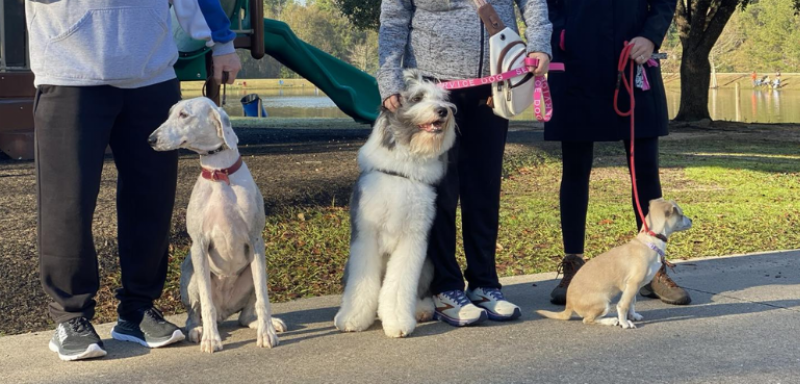 An owner offering a treat to their attentive dog, demonstrating a key part of successful desensitization training for dogs.
When to Seek Professional Help
While you can manage many mild fears at home, some situations warrant professional guidance. If your dog’s fear is severe, if they have a history of aggression, or if you’re not seeing any progress, it’s time to call in a professional. A certified professional dog trainer or a veterinary behaviorist can help you create a safe and effective training plan tailored to your dog’s specific needs. They can provide the expert guidance needed for complex issues, much like the focused programs for dog training stewart manor.
Ultimately, desensitization training for dogs is a powerful act of communication and empathy. It’s about listening to your dog, respecting their fears, and working together to build a world where they can feel safe and confident. With patience, consistency, and a lot of love, you can help your best friend navigate their fears and embrace a more peaceful life.
