
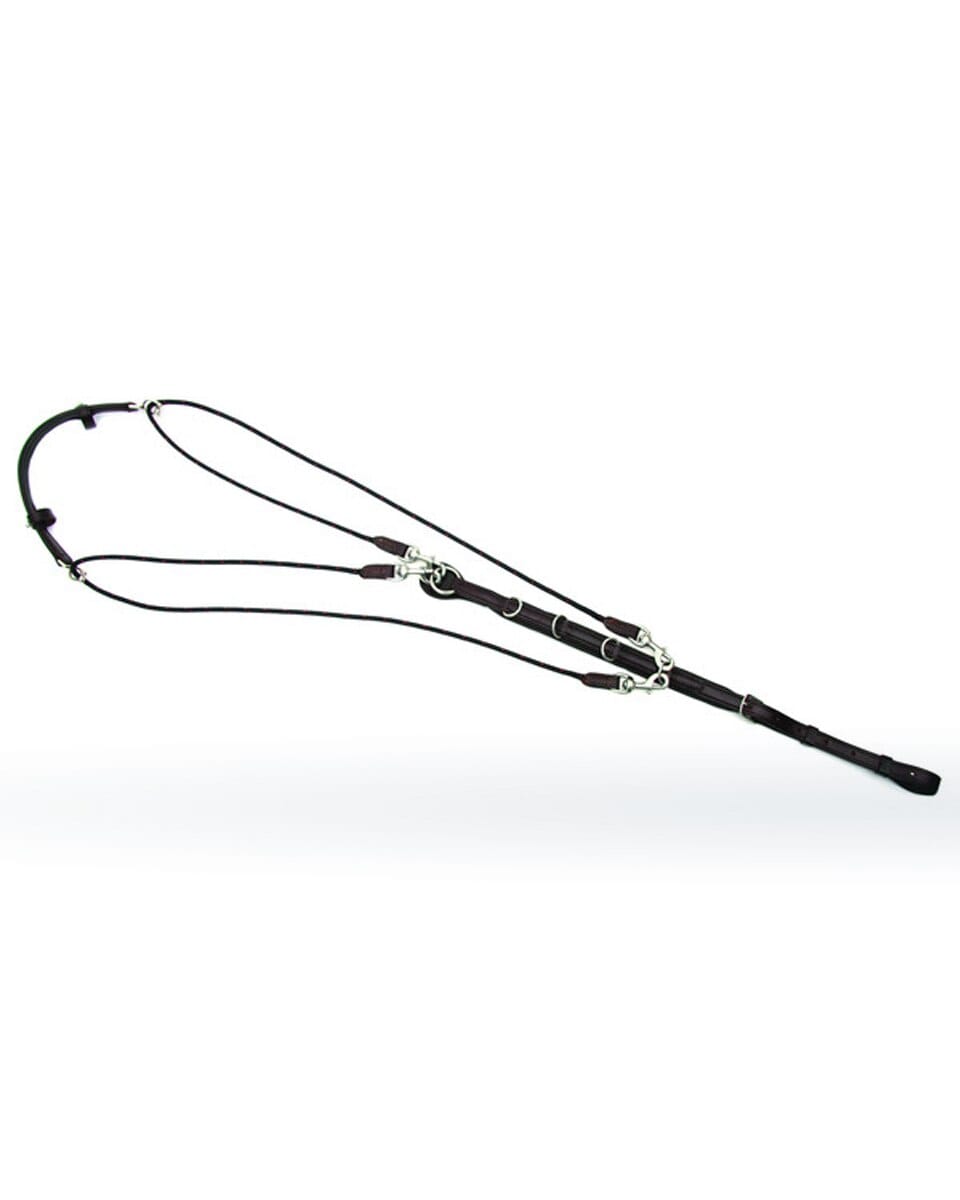
The deGogue, a versatile training aid, plays a significant role in modern horse education, offering a structured approach to developing a horse’s frame, balance, and responsiveness. This tool, when used correctly and ethically, can be instrumental in achieving suppleness and improving the horse’s overall way of going. Understanding its purpose, application, and the principles behind its use is crucial for any trainer aiming for excellence in equine development.
Understanding the DeGogue: Purpose and Mechanics
The deGogue is essentially a system of ropes and pulleys designed to encourage the horse to lower its head and round its back, promoting a more engaged and uphill carriage. It works by applying gentle, consistent pressure that the horse learns to relieve by lowering its head and neck. This pressure is indirect and designed to guide rather than force, fostering a partnership built on communication and understanding.
How the DeGogue Works
The typical deGogue setup involves a main rope that runs through rings on a cavesson or bridle, with side reins attached to the girth or a roller. When the horse attempts to evade the rein aid by raising its head too high, the deGogue applies a subtle backward and downward pressure. Conversely, when the horse yields to the pressure by lowering its head, the pressure is released, rewarding the desired posture. This feedback loop is fundamental to how the deGogue aids in training.
Benefits of Using a DeGogue
When implemented thoughtfully, the deGogue can offer several benefits:
- Improved Frame and Collection: It encourages the horse to engage its hindquarters and carry itself in a more collected, uphill balance.
- Enhanced Suppleness: Regular use can help increase the horse’s flexibility through the neck and back.
- Development of Responsiveness: Horses learn to respond more effectively to the rider’s aids by understanding the connection between their posture and the release of pressure.
- Strengthening Muscles: It aids in developing the topline muscles necessary for carrying themselves correctly.
Implementing the DeGogue: Best Practices
The effectiveness and ethical application of the deGogue hinge on proper use. It is not a tool to force a horse into a frame but rather a guide to help the horse understand how to achieve it.
Getting Started with the DeGogue
- Proper Fit: Ensure the cavesson or bridle and the deGogue ropes are fitted correctly. The cavesson should be snug but not tight, and the ropes should run smoothly through the rings.
- Gradual Introduction: Introduce the deGogue gradually. Start with short sessions, allowing the horse to acclimate to the sensation.
- Correct Cavesson Placement: The cavesson should sit just above the sensitive nasal cartilage, ensuring comfort and avoiding undue pressure.
- Rope Configuration: Familiarize yourself with the different ways the deGogue can be set up, as specific configurations may be better suited for different training goals or horse temperaments.
In-Hand Work vs. Under Saddle
The deGogue can be used both for in-hand work and under saddle.
- In-Hand: This is often the starting point. It allows the handler to focus on the horse’s reactions and guide its movement without the added complexity of a rider. It’s an excellent way to teach the horse the basic principles of the deGogue’s action.
- Under Saddle: Once the horse understands the deGogue in hand, it can be introduced under saddle. The rider’s role is to maintain a soft, consistent contact and allow the deGogue to assist in guiding the horse’s frame, rather than relying solely on the deGogue to hold the horse in place.
Ethical Considerations and Equine Welfare
The use of any training aid, including the deGogue, must prioritize the horse’s welfare.
Avoiding Over-Reliance and Force
It is crucial to remember that the deGogue is a training aid, not a training solution. Over-reliance on the deGogue without addressing the underlying reasons for a horse’s resistance or lack of suppleness can be detrimental. It should never be used to force a horse into a frame it is not physically or mentally ready for. The goal is to teach the horse, not to fight with it.
Recognizing Signs of Discomfort
Always be vigilant for signs of discomfort or stress in the horse. These can include:
- Stiffness or resistance in the jaw or poll.
- Tossing the head excessively or blocking the aid.
- Pinning the ears or showing other signs of anxiety.
- Swallowing excessively or showing signs of tension in the throat.
If you observe any of these signs, it’s important to reassess the fit, the setup, and your own application of the aid. Sometimes, a different approach or a break from the deGogue is necessary.
When to Seek Professional Guidance
The deGogue can be a powerful tool when used by knowledgeable hands. If you are new to using this aid, or if you are encountering persistent challenges, seeking guidance from an experienced and ethical horse trainer is highly recommended. They can help ensure the deGogue is used correctly and effectively, maximizing its benefits while safeguarding the horse’s well-being. Remember, the ultimate aim is to develop a harmonious partnership with your horse, and training aids should always serve that purpose.
The deGogue training aid, when used with understanding, patience, and a commitment to equine welfare, can be a valuable asset in the journey of developing a well-balanced, responsive, and willing equine partner.
