
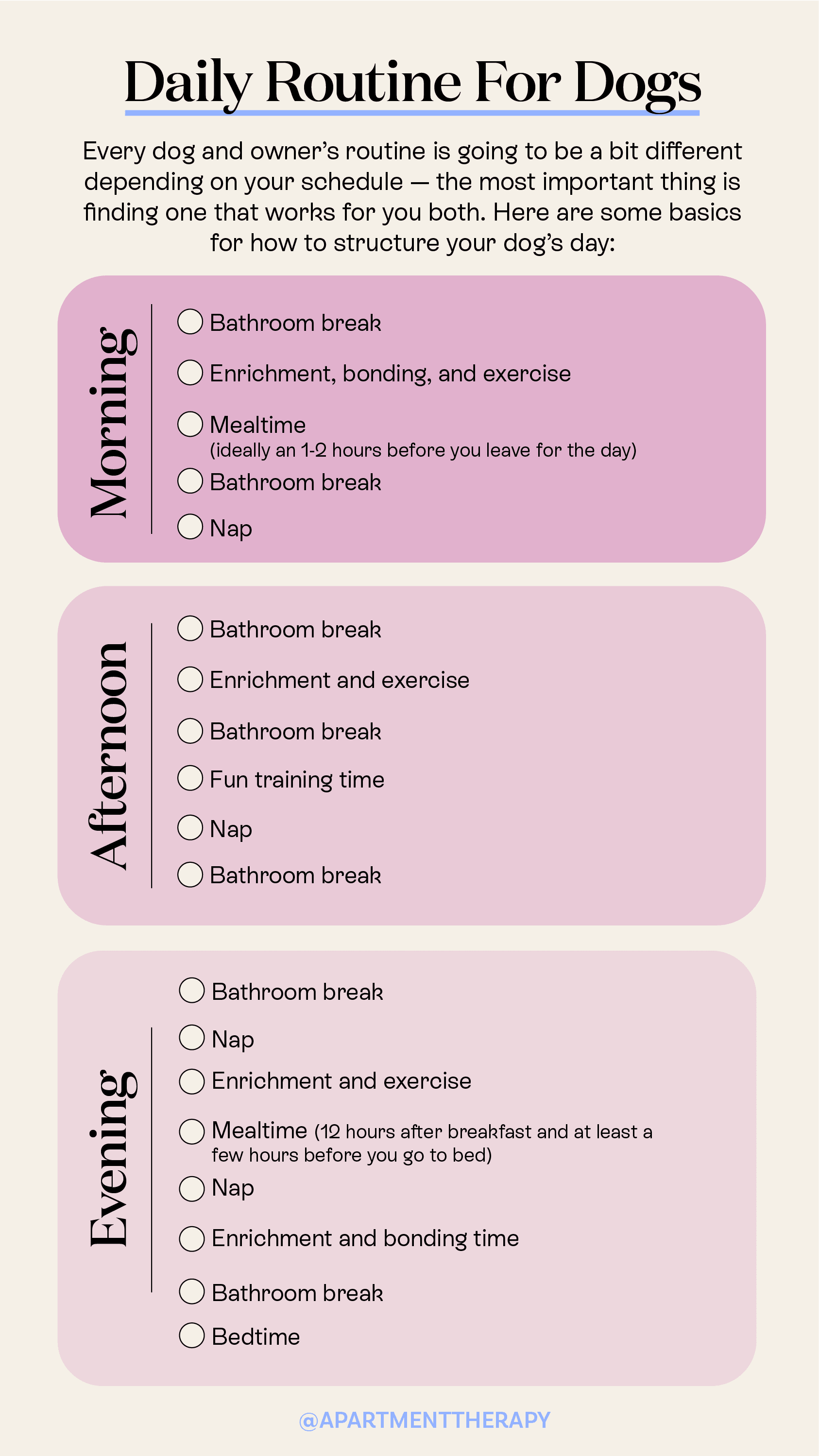
Establishing a consistent Daily Dog Training Routine is more than just teaching commands; it’s about building a stronger bond with your canine companion and ensuring they are a well-behaved member of your family. A structured approach to training, woven into your everyday life, can transform your dog’s behavior and enhance your mutual understanding. This routine should be a positive and engaging experience, reinforcing good habits and addressing potential issues before they escalate.
The Foundation: Why Daily Training Matters
Dogs thrive on routine and predictability. When you incorporate daily training sessions, you provide your dog with mental stimulation, which is just as crucial as physical exercise for their overall well-being. Consistent training helps to solidify learned behaviors, making them more reliable in various situations. It also offers a dedicated time for you and your dog to connect, strengthening your relationship and building trust. This daily practice can prevent the development of unwanted behaviors by redirecting your dog’s energy and focus in a constructive way.
Crafting Your Dog’s Daily Training Schedule
The key to a successful daily dog training routine is consistency and short, frequent sessions rather than long, infrequent ones. Aim for several 5-10 minute training bursts throughout the day, rather than one long session. This keeps your dog engaged and prevents them from becoming bored or overwhelmed.
Morning: Setting the Tone
Start your day with a positive reinforcement session. This could involve:
- Potty Training Reinforcement: Immediately after waking up, take your dog outside to their designated potty area. Reward them generously with praise and a small treat when they eliminate. This reinforces the desired behavior and helps establish a predictable potty schedule.
- Basic Commands: Practice commands like “sit,” “stay,” and “come.” Use high-value treats and enthusiastic praise to make it a rewarding experience. For example, ask your dog to sit before putting their food bowl down.
- Leash Manners: If you’re going for a morning walk, incorporate a few minutes of loose-leash walking practice right outside your door. Reward your dog for walking calmly beside you.
Midday: Mental Stimulation and Skill Building
If your schedule allows, a midday session can break up the day and provide essential mental engagement.
- Trick Training: Introduce or practice fun tricks like “shake,” “roll over,” or “play dead.” These activities are excellent for cognitive stimulation and strengthen the handler-dog connection.
- Problem-Solving Games: Engage your dog with puzzle toys or scent games. Hiding treats around a room and encouraging your dog to find them is a great way to tap into their natural foraging instincts.
- Recall Practice: Practice calling your dog to you from different distances in a safe, enclosed area. Make coming to you the most rewarding thing they can do.
Evening: Winding Down and Reinforcement
As the day winds down, use training to reinforce good behavior and prepare your dog for a restful night.
- “Place” or “Crate” Training: If you use a crate or a specific mat for your dog, practice sending them to their designated spot and rewarding them for staying calmly. This is especially helpful for dogs who need a safe space to relax. For those seeking potty trained dogs for adoption, a strong “place” command is often a prerequisite.
- Impulse Control: Practice exercises like “leave it” with tempting treats or toys. This teaches your dog to resist immediate gratification, a crucial skill for overall good behavior.
- Calmness Exercises: Reward your dog for lying down calmly near you while you relax. This encourages a tranquil demeanor and prepares them for bedtime.
Incorporating Training into Everyday Activities
Beyond dedicated sessions, look for opportunities to integrate training into your daily interactions.
- Mealtimes: Ask for a “sit” or “down” before feeding your dog. This simple command reinforces obedience around a high-value motivator.
- Doorways: Teach your dog to wait patiently at doorways instead of rushing through. Ask for a “sit” and reward them for holding the position until you release them.
- Greeting Guests: Train your dog to greet visitors calmly, perhaps by sitting or going to their “place.” This prevents jumping and overly excited behavior. Ensuring your dog is comfortable in their dog crate for crate training can be a valuable aid in managing greetings.
Key Training Principles for Success
Regardless of the specific commands or activities, always adhere to these core training principles:
- Positive Reinforcement: Reward desired behaviors immediately with treats, praise, or toys. This makes training enjoyable and effective.
- Consistency: Use the same commands and cues every time. Ensure all family members are on the same page with training methods.
- Patience: Every dog learns at a different pace. Avoid frustration and celebrate small victories.
- Keep it Fun: Training should be an enjoyable bonding experience, not a chore. If you or your dog are getting frustrated, take a break.
- Short & Sweet: As mentioned, short, frequent sessions are far more effective than long, drawn-out ones.
Addressing Common Challenges
Even with a solid routine, you might encounter challenges.
- Lack of Focus: If your dog is easily distracted, try training in a quieter environment or use higher-value treats. Consider professional guidance, such as that offered by dog training pasadena ca.
- Resistance to Commands: Ensure your commands are clear and consistent. If your dog consistently ignores a command, reassess your training method or the reward system. Sometimes, a more intensive program like dog board and train nyc can help reset behaviors.
- Regression: It’s normal for dogs to have off days. Simply return to basics and reinforce known commands. Maintaining a consistent approach, similar to strategies used in a closer bond dog training palatine, can help overcome these setbacks.
The Long-Term Benefits of Daily Training
A daily dog training routine goes far beyond basic obedience. It fosters a deeper understanding and respect between you and your dog. A well-trained dog is a happier, more confident dog, better equipped to navigate the world and enjoy a fulfilling life. This consistent effort in training cultivates a resilient bond, built on trust and clear communication, truly making your dog a cherished member of the “Dog Care Story” community.
