
While cats sometimes endure an unfair reputation for being aloof and antisocial, the reality for many felines is quite the opposite. Numerous cats thrive on companionship, eagerly seeking out their favorite humans for affection and closeness. While breed is not the sole determinant of a cat’s personality, certain breeds are consistently recognized for their exceptionally friendly nature. The Ragdoll breed stands out as a prime example, frequently recommended for individuals seeking an easygoing and amiable feline companion. If you are contemplating the adoption of a Ragdoll cat, understanding their unique characteristics and needs is crucial to ensure they are the right fit for your household.
Understanding the Ragdoll Appearance
For those unfamiliar with the breed, Ragdoll cats are undeniably charming. They are characterized by their long, luxurious fur and striking blue eyes. Like Siamese cats, Ragdolls often display point coloration, where the ears, face, paws, and tail are a darker shade than the body. These cats typically weigh around 15 pounds, but it’s important to note that they may not reach their full adult size until they are approximately four years old.
Ragdolls are celebrated for their exceptionally soft and silky coats, which are longer but shed at an average rate. Despite a misconception about being hypoallergenic, Ragdolls are not entirely so; they still shed enough dander to potentially trigger allergic reactions in sensitive individuals.
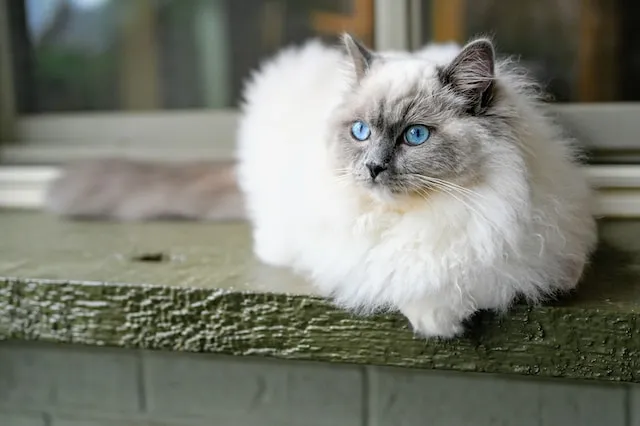 A ragdoll cat sits in a loaf position*A Ragdoll cat lounging. *Photo by David Martin.*
Ragdoll Cat Personalities: Affectionate Companions
Ragdoll cats are renowned for their exceptionally friendly disposition and their tendency to form strong bonds with their human families. They are generally comfortable around strangers and often exhibit a greater degree of affection compared to many other cat breeds. It’s common to find your Ragdoll becoming your constant shadow, snuggling up for comfort, or joining you for a cozy night’s sleep, serenaded by their gentle purrs.
While all cats require adequate play and mental stimulation, and no cat should be adopted solely for ease of care, Ragdolls are considered somewhat lower maintenance than certain other breeds, such as Bengals. Neglecting their need for engagement, however, can lead to behavioral issues, including destructive scratching or even aggression. While their friendly nature is a hallmark, unmet needs can alter their temperament. Ragdolls can also be excellent with children, provided that children are taught how to interact respectfully and safely with cats to prevent negative experiences.
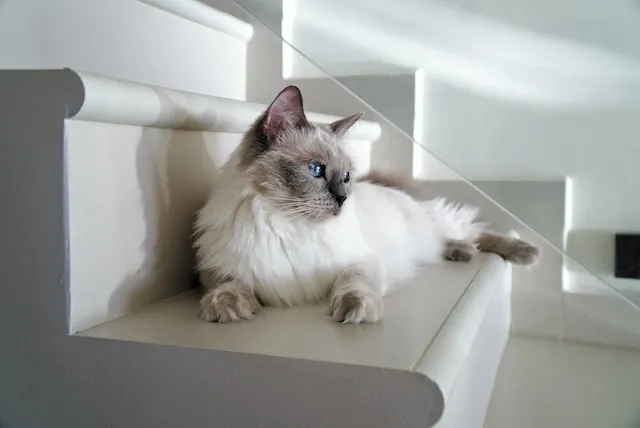 A ragdoll cat lays on stairs*Please don’t pull my tail, Timmy. *Photo by Alexander Kagan.*
Due to their highly sociable nature, Ragdoll cats are excellent candidates for cat training. Even if your Ragdoll isn’t strongly motivated by food, their inherent sociability allows for alternative training rewards, such as praise, petting, or simply your attention. For those interested in embarking on cat training, setting up a consultation or utilizing a clicker training kit can provide a solid foundation.
Essential Ragdoll Care Requirements
The care needs of Ragdoll cats are largely consistent with those of most domestic cats, with a notable emphasis on their heightened sociability. They flourish in environments where they receive ample love and attention. Engaging in play time and ensuring sufficient mental stimulation are crucial for their well-being. Some Ragdolls might even take to fetching, depending on their individual inclination and if your cat wants to fetch.
Given their longer fur, regular brushing is essential to maintain their coat’s softness and manageability. A glove brush can make grooming feel like a simple petting session, though occasional use of other brushes may be necessary for thorough coat care. Consider a sanitary trim around the rear to prevent waste from adhering to their fur. Additionally, some Ragdolls may show a preference for non-clumping litter to avoid clumps becoming tangled in their coat.
Ultimately, Ragdoll cats make wonderful companions and enriching additions to any family. They are best suited for individuals or families who desire an affectionate, interactive cat that enjoys playtime and significant interaction. If you prefer a more independent feline, the Ragdoll’s charming appearance might be misleading; their need for companionship means they’ll likely want to be involved in all aspects of your life, including a trip to the bathroom!
Seeking Assistance with Ragdoll Behavior?
If you’re encountering specific behavioral challenges with your Ragdoll cat, professional guidance can be invaluable. Set Up a Consultation to discuss your concerns and receive tailored advice.
