
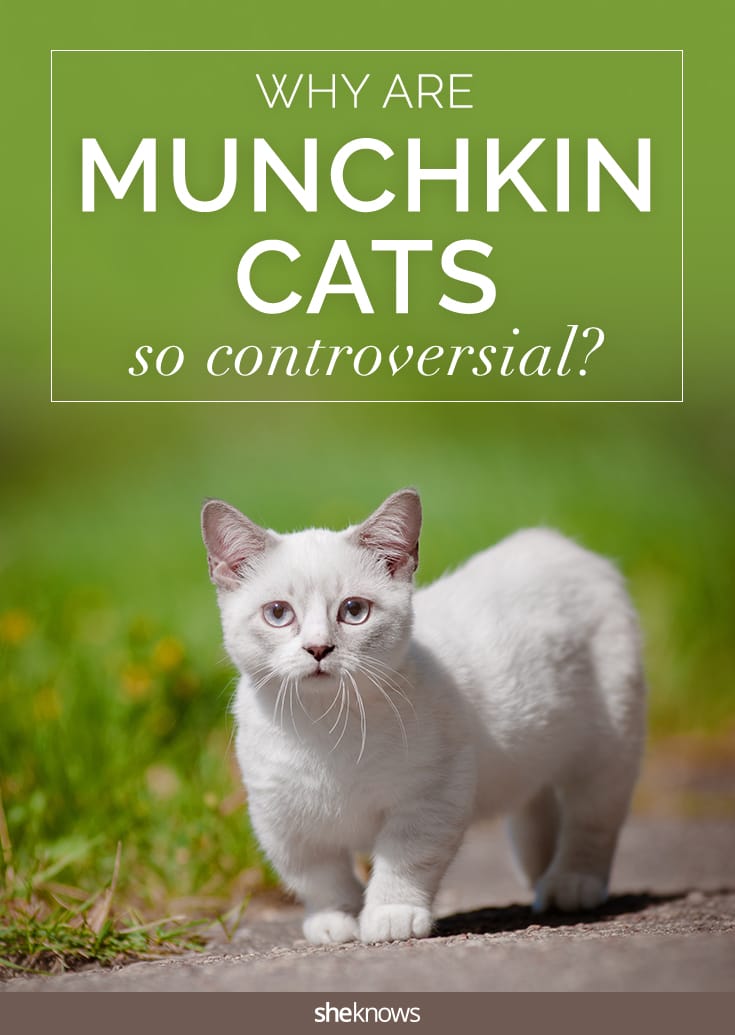
Munchkin cats, with their impossibly short legs, have captured the hearts of many cat lovers. Their unique appearance, often leading to comparisons with “sausage cats,” is a result of a naturally occurring genetic mutation. While undeniably cute, the breed status and ethical considerations surrounding Munchkin cats have sparked significant debate within the feline community. This article delves into the history, genetics, and controversies surrounding these charming felines.
A Brief History of the Munchkin
The Munchkin cat’s lineage can be traced back to the 1940s, though they largely disappeared from view for a period following World War II. It wasn’t until the late 20th century that these distinctive cats began to reappear and gain recognition. Despite their long presence, it took until 2003 for The International Cat Association (TICA) to officially recognize them as a distinct breed. This recognition, however, remains a point of contention, as other major cat fancy organizations, like The Cat Fanciers Association, do not acknowledge the Munchkin as a breed. The core of the debate lies in differing opinions on what constitutes a “breed” and whether the Munchkin’s defining trait offers any genuine benefit to the cat itself.
Understanding Munchkin Genetics
Munchkin cats are the result of a spontaneous genetic mutation that affects leg length. This mutation is often referred to as “pseudoachondroplasia,” which is distinct from true feline dwarfism (achondroplasia). Unlike cats with true dwarfism, Munchkins generally maintain normal facial and head proportions. Crucially, the gene responsible for the short legs is considered “dominant lethal.” This means that breeding two Munchkin cats together is not viable, as the offspring will not survive. Instead, responsible breeding involves mating a Munchkin cat with a cat of normal leg length, which results in approximately a 50% chance of producing a Munchkin kitten in the litter.
The Ethical Debate Surrounding Munchkin Breeding
The ethical implications of breeding Munchkin cats are a significant part of the controversy. Critics argue that selective breeding for a trait that offers no discernible advantage to the cat, and potentially introduces health risks, is unethical. One of the primary health concerns associated with Munchkin cats is a higher prevalence of “lordosis,” a condition where the spine curves downward, potentially putting pressure on vital organs like the heart and lungs. While lordosis can occur in any cat, studies have indicated a stronger correlation in Munchkins, a fact that many find difficult to overlook.
However, proponents argue that when bred responsibly and cared for properly, Munchkin cats lead normal, healthy lives with an average lifespan of 12 to 15 years. They emphasize that, apart from their shorter legs, Munchkins exhibit the same playful, affectionate, and curious behaviors as any other domestic cat. Some also point out that since the trait occurs naturally, and Munchkins can be found in shelters, adopting one is an ethically sound choice. The debate continues, with opinions often divided between prioritizing genetic novelty and ensuring the welfare and health of the animal above all else.
Conclusion: A Cute Conundrum
Munchkin cats present a fascinating case study in feline genetics and breeding ethics. Their undeniable charm, stemming from their unique short stature, makes them highly appealing to many. Yet, the ongoing discussions about their breed status and potential health implications serve as a reminder of the responsibilities involved in cat ownership and breeding. Whether one supports the breeding of Munchkins or not, their presence in the feline world undeniably sparks conversation and highlights the diverse and often surprising ways in which cats evolve and captivate us.
References
- The International Cat Association (TICA): https://www.tica.org/
- The Cat Fanciers Association: https://cfa.org
- Britannica: Dwarfism in Cats: https://www.britannica.com/explore/savingearth/dwarfism-in-cats-its-only-cute-til-something-gets-hurt
