
Cushing Syndrome Dog Back Legs, also known as hyperadrenocorticism, presents a significant challenge for canine companions and their dedicated owners. This hormonal disorder, characterized by an overproduction of cortisol, can wreak havoc on a dog’s body, particularly affecting their back legs. The impact extends beyond just physical limitations, intertwining with emotional well-being, leading to a complex interplay of symptoms that require careful understanding and management.
The debilitating muscle wasting, weakness, and atrophy that often plague the hindquarters rob dogs of their natural agility and joy of movement. Imagine a vibrant, energetic pup struggling to rise from a resting position, their once powerful legs now a source of frailty. This, unfortunately, isn’t an uncommon scenario for dogs battling Cushing’s syndrome.
We’ll delve deeper into the intricate facets of this syndrome, from the specific manifestations on a dog’s back legs to the nuanced challenges in diagnosis and treatment, drawing parallels to human conditions and exploring the spectrum of innovative solutions available for enhanced care. Through a careful examination of these multifaceted aspects, we aim to illuminate the compassionate approaches needed to support dogs navigating the challenges of this challenging condition, fostering a deeper understanding and appreciation for their resilient spirit.
The Impact of Cushing’s Syndrome on a Dog’s Back Legs
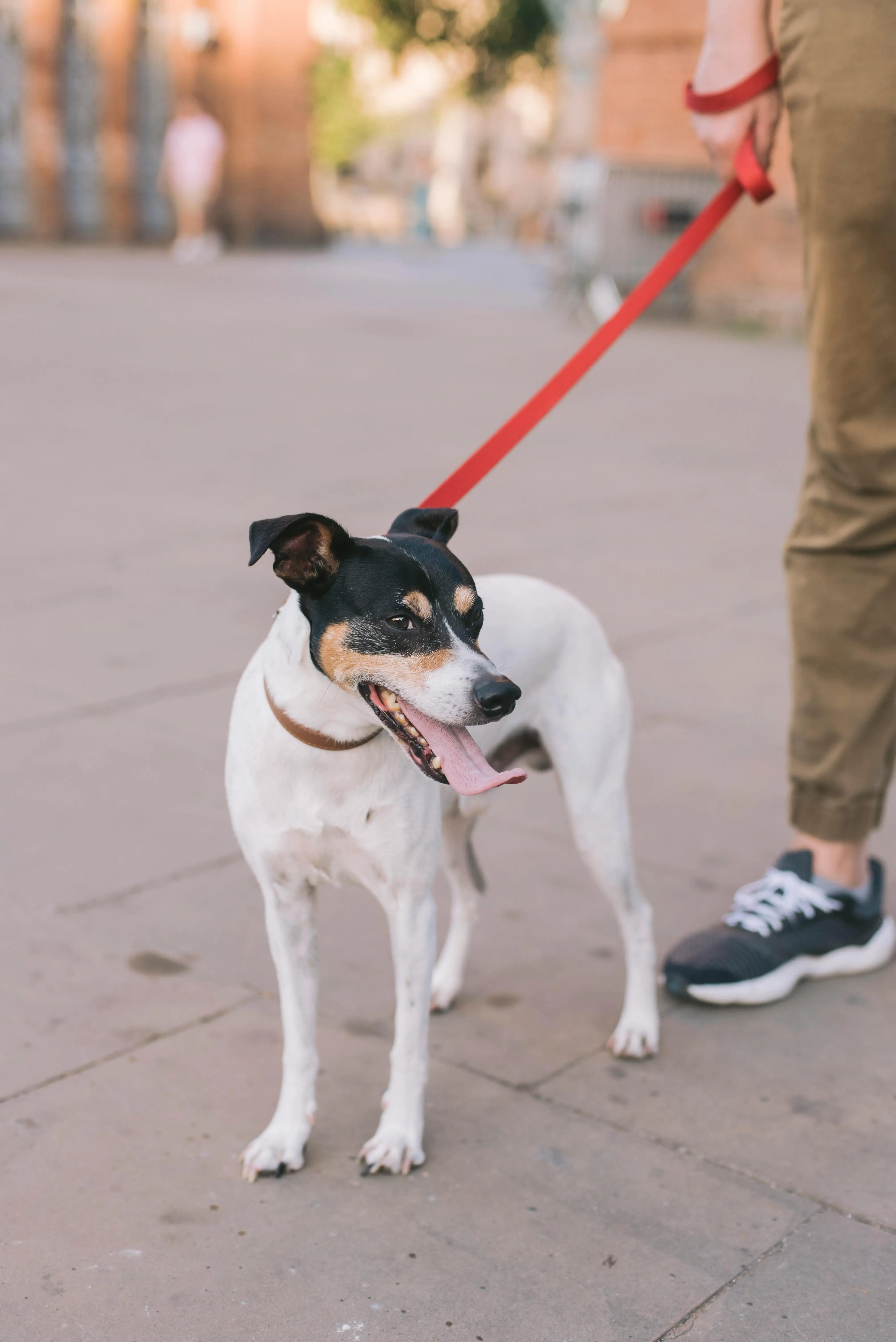
The hallmark of Cushing’s syndrome in dogs is often a noticeable decline in their back leg strength and mobility. Cortisol, the hormone primarily responsible, plays a crucial role in regulating numerous bodily functions, but its overproduction disrupts this delicate balance. As cortisol levels soar, muscle mass starts to diminish, disproportionately impacting the hindquarters. This leads to a plethora of physical difficulties, causing a ripple effect on the dog’s overall quality of life.
Cushing Syndrome Dog Back Legs – Muscle Atrophy and Weakness
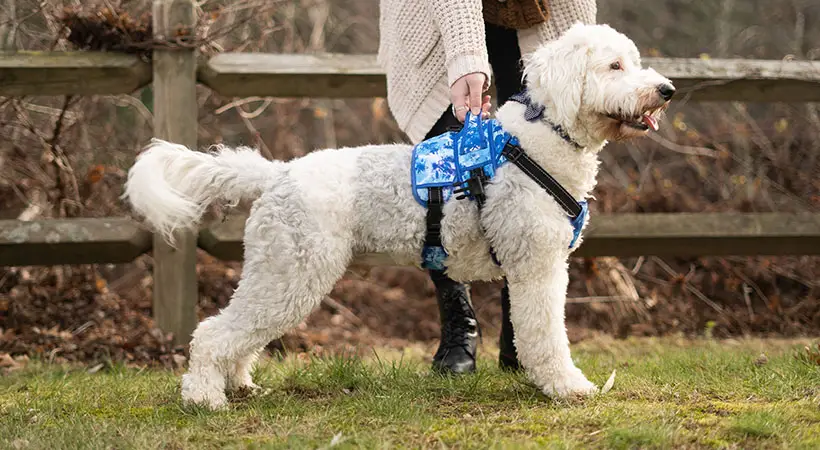
The escalating cortisol levels in Cushing’s syndrome disrupt the delicate balance of protein synthesis and breakdown in muscle tissue. As a result, muscle cells progressively lose their structure and function, leading to atrophy. Imagine the muscles, once robust and vital, gradually shrinking and weakening like deflating balloons. This atrophy is most pronounced in the hindlimbs, making it difficult for dogs to bear weight, stand, and walk normally. It’s a slow, insidious process that progressively chips away at a dog’s natural strength and athleticism.
The weakness manifests not only in the visible loss of muscle bulk but also in the impaired ability to perform routine movements. Activities that were once effortless, like jumping on the couch or chasing a ball, now necessitate tremendous effort and may even be impossible. The dog’s gait might become unsteady and awkward, with a noticeable swaying or stumbling. The hindquarters, once pillars of strength and agility, now wobble precariously, highlighting the extent of the muscle deterioration.
Difficulty with Movement and Mobility

The muscle atrophy and weakness synergistically contribute to severe mobility challenges in dogs with Cushing’s syndrome. Getting up after lying down, a simple act for most dogs, can become a formidable task. They may struggle to find their footing, their back legs seemingly refusing to cooperate. Stair climbing, a favorite pastime for some, might be replaced by a heartbreaking reluctance and exhaustion. Even short walks can become draining experiences, leaving the dog panting and exhausted.
Furthermore, the dog’s range of motion in their back legs may become restricted. The joints, no longer supported by the optimal muscle mass, become prone to stiffness and discomfort. The once-fluid movements of play and exploration are replaced by labored motions. This limitation on movement frustrates the dog and can significantly impact their interactions with their environment, hindering their ability to engage in their favorite activities. Their playful exuberance might be muted, replaced by a sense of constraint and discomfort.
Impact on Posture and Gait
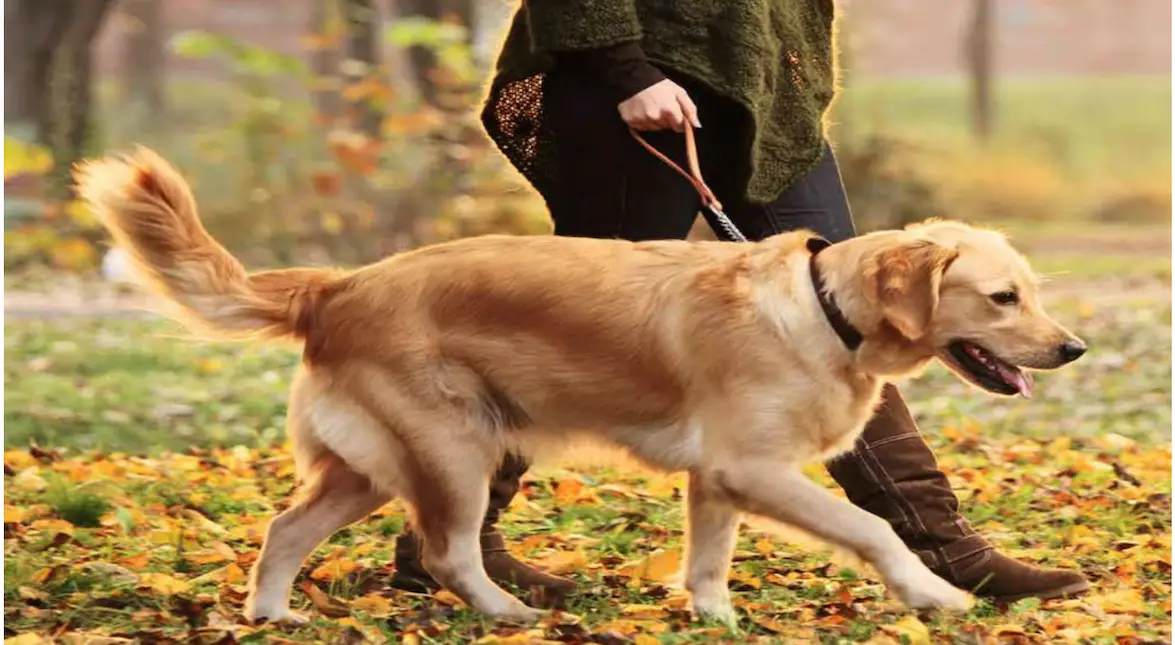
The progressive deterioration of the back legs in Cushing’s syndrome can have a profound impact on a dog’s posture and overall gait. Dogs may adopt a hunched or swayed stance as they attempt to compensate for the weakness in their hindquarters. The spine might appear to curve abnormally, exacerbating the discomfort and impacting their balance. They may also exhibit a “knuckling” or “dragging” of their paws, a telltale sign of weakness in the paws and digits of the hind legs.
These changes in posture and gait can be profoundly unsettling to observe for pet owners. It’s a poignant reminder of the condition’s debilitating impact, shattering the image of their once-vibrant companion. The altered gait may also affect the dog’s ability to maintain their balance, leading to an increased risk of falls and injuries. The once-confident stride of a healthy dog is now replaced by a hesitant and potentially unstable gait, highlighting the urgent need for support and care.
The Emotional Distress Associated with Cushing’s Syndrome
The impact of Cushing’s syndrome is not limited to the physical realm; it profoundly affects the emotional well-being of dogs. As their bodies become increasingly weaker, their playful spirit and exuberance may dim, replaced by a noticeable reluctance to engage in activities they once loved. This emotional fallout can be just as devastating as the physical manifestations of the condition.
Reduced Playfulness and Social Engagement
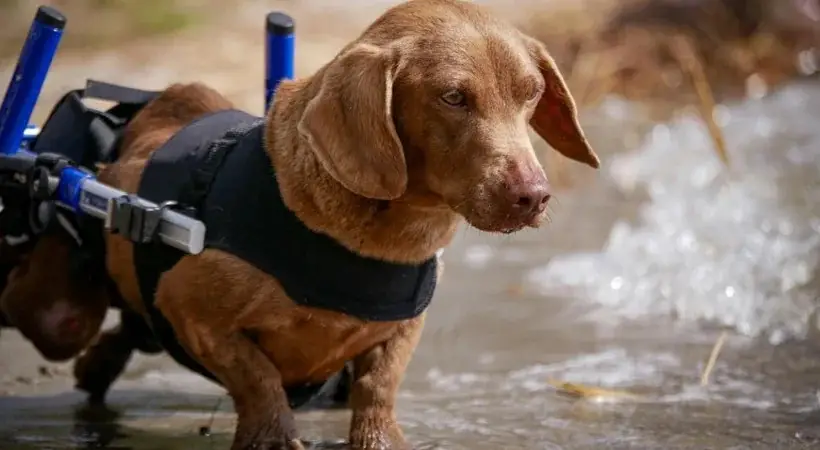
The physical limitations imposed by muscle weakness and atrophy contribute to a decline in a dog’s zest for life. The simple joys of play, chasing a ball, or engaging in a game of fetch, become physically taxing and potentially painful. Dogs with Cushing’s syndrome may exhibit a noticeable decrease in their playfulness, retreating from interactions that were once their lifeblood. The vibrant energy that characterized their younger days is often subdued, replaced by a sense of weariness and discomfort.
This change in behavior can be distressing for both dogs and their owners. The once-inseparable bond between pet and owner may be subtly altered as the dog withdraws from their favorite activities. The absence of the usual playful antics can create a void in the household dynamic. Observe the subtle shift in body language and demeanor — the once-eager wagging tail might now be subdued, the playful barks might be replaced by quiet whimpers, and the boundless energy might be replaced by quiet withdrawal.
Increased Lethargy and Anxiety
As the physical limitations of Cushing’s syndrome intensify, dogs may exhibit increased lethargy and a general lack of energy. They may spend more time resting, becoming less inclined to engage in their usual activities. This lethargy is not simply a symptom of physical exhaustion; it can also be a manifestation of the emotional distress caused by the inability to perform actions they once found enjoyable.
The constant struggle with physical limitations can also fuel anxiety in dogs with Cushing’s syndrome. They may become overly cautious in their movements, fearing potential falls or slips. Their once-confident demeanor may shift to a state of apprehension and unease. Signs of anxiety can vary from excessive panting and restlessness to panting and pacing, vocalizations, and even destructive behaviors when overwhelmed or stressed.
This emotional shift can have ramifications for the dog’s behavior within the household. They may become more clingy, seeking constant reassurance from their owners. Alternatively, some dogs become withdrawn and isolated, preferring to spend time alone in quiet areas. Understanding these emotional nuances is crucial for creating a supportive and empathetic environment.
Depression and Behavioral Changes
In more severe cases, dogs with Cushing’s syndrome can experience symptoms reminiscent of depression in humans. They may lose interest in their favorite activities, display a lack of enthusiasm, and withdraw from social interactions with both humans and other dogs. Their appetite may change, and they may experience disturbances in their sleep patterns, further compounding the emotional distress.
The combination of physical limitations and emotional turmoil can lead to significant behavioral changes. Dogs that were once well-behaved and manageable may become more irritable or demonstrate aggression. They might be more prone to snapping or growling, reacting out of frustration and discomfort, rather than with malicious intent. These behavioral shifts can be perplexing for owners, making it challenging to navigate daily interactions. The once-harmonious relationship can become strained and challenging to maintain.
Understanding these complex emotional facets is crucial for providing compassionate care for dogs with Cushing’s. It’s important to recognize that the changes in behavior are not simply intentional or willful disobedience but are often a reflection of the suffering they endure.
Diagnosing Cushing’s Syndrome: Unveiling the Hidden Clues
Diagnosing Cushing’s syndrome is a multifaceted process that often requires a vigilant approach from both pet owners and veterinarians. The intricate nature of the disease, with its subtle and often masked symptoms, can make it challenging to pinpoint early on. This complex interplay of symptoms can often mimic signs of aging or other, less severe conditions, leading to delays in diagnosis and treatment.
Recognizing the Subtle Signs
While the impact on back legs might be a clear indicator in many cases, the subtle changes often precede the pronounced muscle weakness and atrophy. These initial clues can be easily overlooked, especially in older dogs whose natural energy levels have already declined. Increased thirst and urination, for example, might be attributed to aging or a simple urinary tract infection. The subtle yet persistent shedding and skin thinning might be dismissed as a normal consequence of getting older.
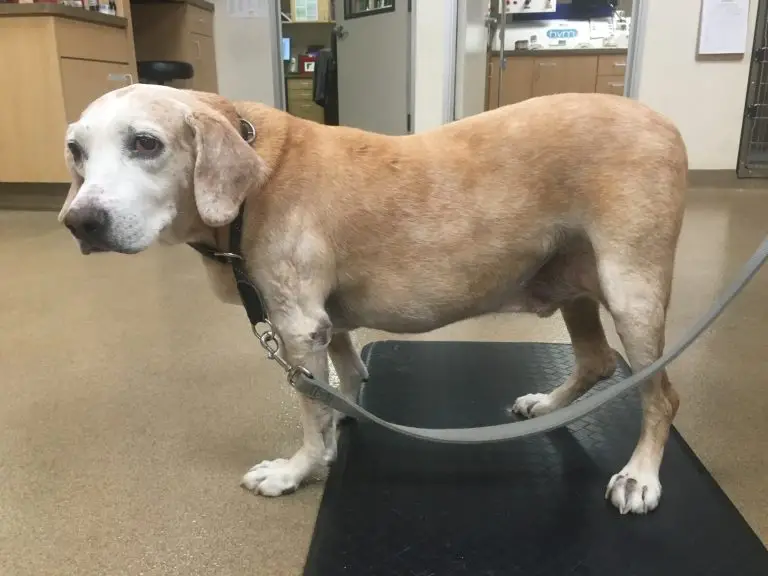
However, these seemingly innocuous symptoms can be valuable hints pointing towards a larger issue. Changes in appetite, such as excessive hunger or increased food intake, might go unnoticed amidst the usual routines of feeding and mealtimes. The development of a pot-bellied appearance might be disregarded as simply a weight gain from indulging in treats.
It’s important for owners to be attentive to changes in their dog’s behavior and physical appearance, no matter how seemingly minor. Pay close attention to changes in their energy levels, their overall activity, and the subtle shifts in their normal routines. Keep a vigilant eye out for any alteration in their thirst and urination patterns, their skin’s condition, and their general body shape. These seemingly insignificant observations can serve as crucial pointers toward a deeper underlying condition like Cushing’s.
Diagnostic Tests for Confirmation
Once an owner observes some of the potential indicators of Cushing’s syndrome, a consultation with a veterinarian is crucial. Through a combination of physical examination, bloodwork, and urine tests, the veterinarian can start to unravel the complexity of the dog’s condition. The tests help assess cortisol levels, providing a crucial insight into whether the adrenal glands are indeed overproducing this steroid hormone.
One of the common tests used to diagnose Cushing’s syndrome is the urine cortisol-to-creatinine ratio (UCCR). This test measures the ratio of cortisol to creatinine in a urine sample. A higher-than-normal ratio can indicate the presence of Cushing’s, but the results are generally interpreted along with other blood testing to ensure accuracy. Another crucial diagnostic tool is the Adrenocorticotropic Hormone (ACTH) stimulation test. This test involves injecting a synthetic ACTH hormone and then measuring the dog’s subsequent cortisol levels. In a dog with Cushing’s, the cortisol levels will rise abnormally high.
The combination of these diagnostic tests helps provide a comprehensive picture of the dog’s condition. The veterinarian might also recommend further testing, such as an abdominal ultrasound or CT scan, to pinpoint the exact cause of the overproduction of cortisol. This can help rule out other underlying conditions and provide insights into the location and severity of any tumors or abnormalities affecting the adrenal glands. These diagnostic tests are critical not only for confirming a Cushing’s diagnosis but also for understanding the severity and specific nature of the condition in each individual dog.
Challenges and Limitations in Diagnosis

Diagnosing Cushing’s syndrome can be challenging due to a multitude of factors. Some dogs might exhibit only subtle symptoms that are easily dismissed as part of the natural aging process. The symptoms can overlap with a wide array of other conditions, leading to misdiagnosis and delayed treatment. This can be particularly challenging in dogs experiencing multiple health concerns alongside Cushing’s, as the combined symptoms can create a complex clinical presentation.
Another challenge in diagnosis relates to the costs associated with the diagnostic tests. The ACTH stimulation test and the other diagnostic procedures can be expensive, making it difficult for some owners to pursue a comprehensive diagnostic workup. This economic barrier can limit access to needed diagnostics, leading to delays in diagnosis and treatment for some dogs.
It’s essential for veterinarians and pet owners to work together to create a comprehensive evaluation plan based on the individual dog’s symptoms, age, and health history. Open communication and a thorough approach ensure that the diagnosis is tailored to the unique needs of each patient, minimizing the potential for errors or delays in identifying the true cause of their symptoms.
Treatment Modalities for Managing Cushing’s Syndrome
Once Cushing’s syndrome is diagnosed, the primary focus shifts to managing the condition effectively. The goals of treatment are to alleviate the symptoms, improve the dog’s quality of life, and ideally, control or reduce the overproduction of cortisol. While effective medications exist to manage the condition, treatment choices are tailored to the individual dog’s health and unique circumstances.
Medical Management: Taming Cortisol Production
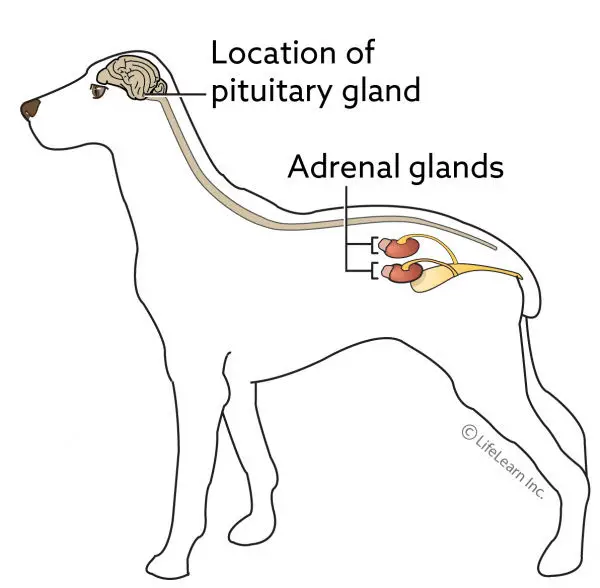
The most common treatment approach for Cushing’s syndrome involves medication to suppress cortisol production or block its effects. Veterinarians often prescribe medication to either target the pituitary gland—the part of the brain that signals the adrenal glands to produce cortisol—or the adrenal glands themselves.
One commonly used medication class for treating pituitary-dependent Cushing’s is trilostane. This medication helps block the production of cortisol in the adrenal glands, effectively reducing the excess circulating hormone. Another class of medication, called mitotane, can be used to destroy parts of the adrenal glands, leading to a substantial reduction in cortisol production. The choice between these medications depends on factors like the dog’s overall health, the severity of Cushing’s, and the potential side effects.
In some instances, veterinarians might prescribe medications to manage the most distressing symptoms rather than directly targeting cortisol production. If a dog is experiencing excessive thirst and urination, for instance, a diuretic medication might be prescribed to address this issue. Similarly, if skin infections or thinning are a major concern, antibacterial or antifungal medications might be used to keep those problems in check. This symptom management can help enhance the overall quality of life for the dog.
Surgical Intervention: Removing Adrenal Tumors

In specific cases, surgery might be considered as a therapeutic option to remove tumors or affected portions of the adrenal glands. This is often an option if a tumor is identified as the culprit behind the overproduction of cortisol. Surgical removal aims to directly address the underlying cause of the condition.
However, surgical intervention carries potential risks, including infection and hemorrhage, and is not always recommended if a dog’s health status makes it a risky option. Furthermore, not all cases of Cushing’s involve tumors, so surgery is not always a viable course of action. The decision to pursue surgery is made carefully by the veterinarian based on the specific medical history and overall health of the dog.
Side Effects and Monitoring
The medications used to treat Cushing’s syndrome, while often effective, can come with potential side effects. This necessitates a cautious approach to treatment. Ideally, a veterinarian will work closely with the owner throughout the treatment journey, keeping a careful eye out for potential side effects and adjusting the treatment plan accordingly.
Some of the most common side effects associated with Cushing’s medications include gastrointestinal disturbances such as vomiting or diarrhea, liver problems, and changes in blood cell counts. It is often necessary to monitor a dog’s overall health closely, including regular bloodwork to assess liver and kidney functions, and to quickly adjust the medication dosage or treatment plan if any side effects emerge. The watchful vigilance of both pet owners and veterinarians is crucial for mitigating complications and ensuring the optimal outcome for each dog.
Innovative Support and Assistive Devices

Many dogs with Cushing’s syndrome require specialized support to maintain their mobility and independence. The progressive nature of the disease can lead to a considerable decline in quality of life, especially as regards the dogs’ capacity to move freely and interact with their surroundings. The availability of a range of assistive devices offers a glimmer of hope for preserving their mobility and enhancing their emotional well-being.
Slings and Harnesses for Back Leg Support
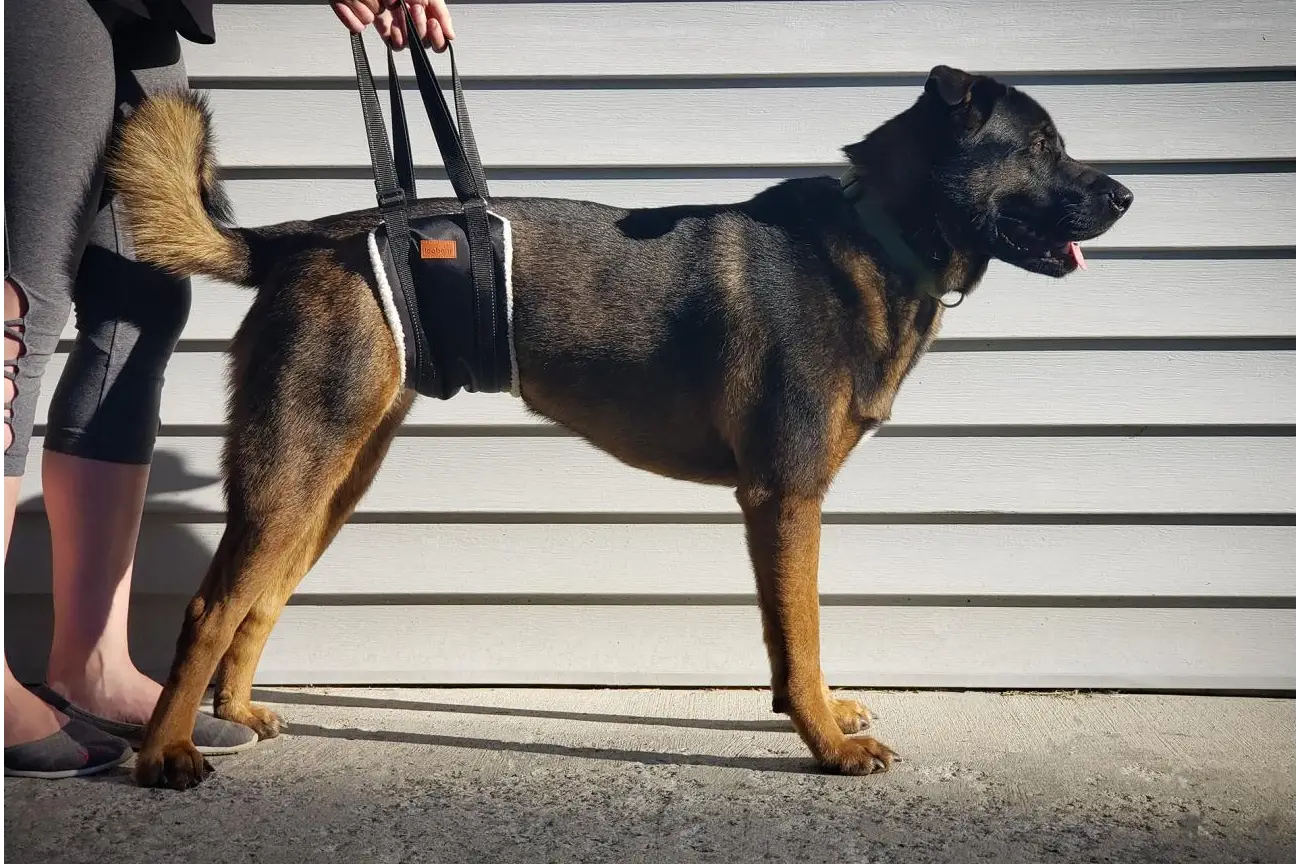
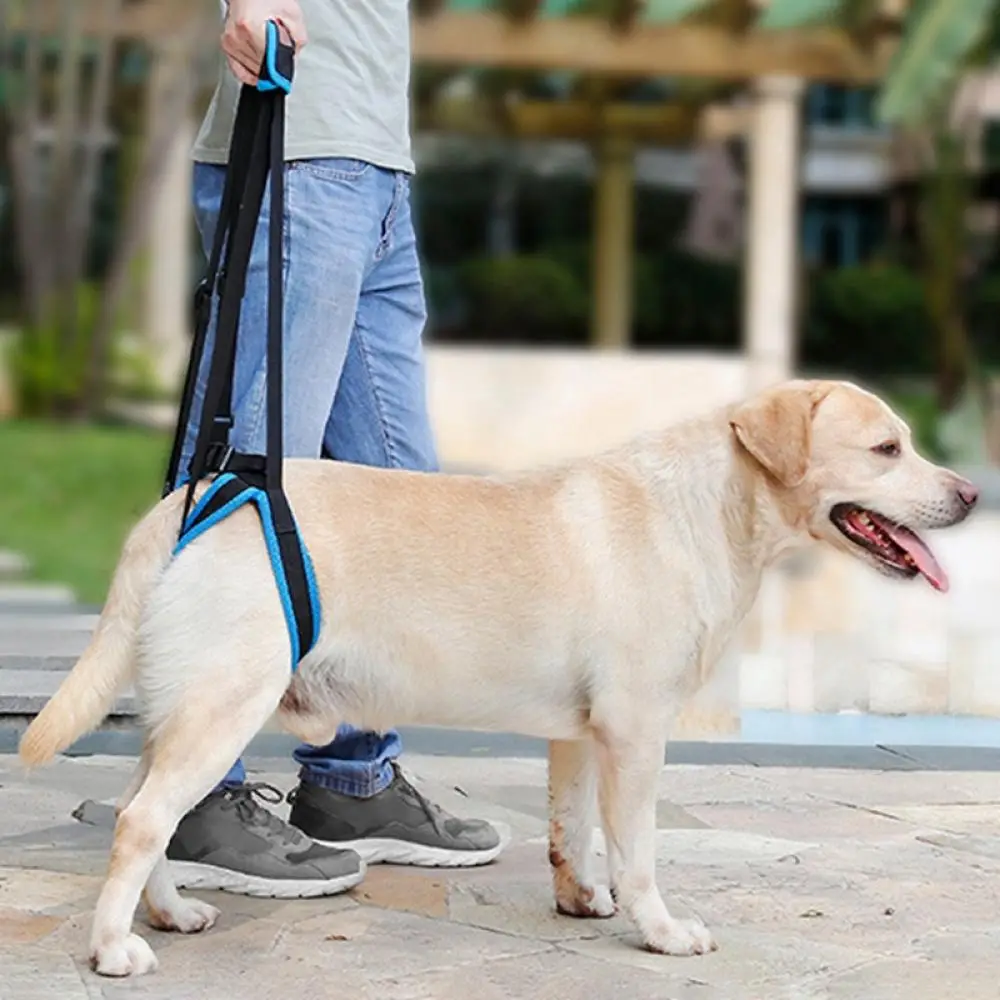
Slings and harnesses specifically designed for dogs with back leg weakness provide crucial support and stability, allowing for greater independence in movement. These assistive devices can be particularly helpful for dogs who are struggling to walk or stand, reducing the strain on their weakened limbs. The slings gently cradle and support the back legs, ensuring that they don’t buckle under the dog’s weight. This added stability can enhance comfort and encourage greater freedom of movement, including walks in the park or exploring the backyard.
The use of slings and harnesses offers more than just physical support; they also contribute to the dog’s emotional well-being. When dogs can continue engaging with their environment and maintaining a semblance of their former lifestyle, they feel less confined and experience a boost in their mental state. The sense of independence that comes from using a sling can significantly mitigate the emotional toll of Cushing’s. These assistive devices enable dogs to enjoy the simple pleasures of going outside, exploring, and interacting with their loved ones.
Wheeled Carts for Increased Mobility
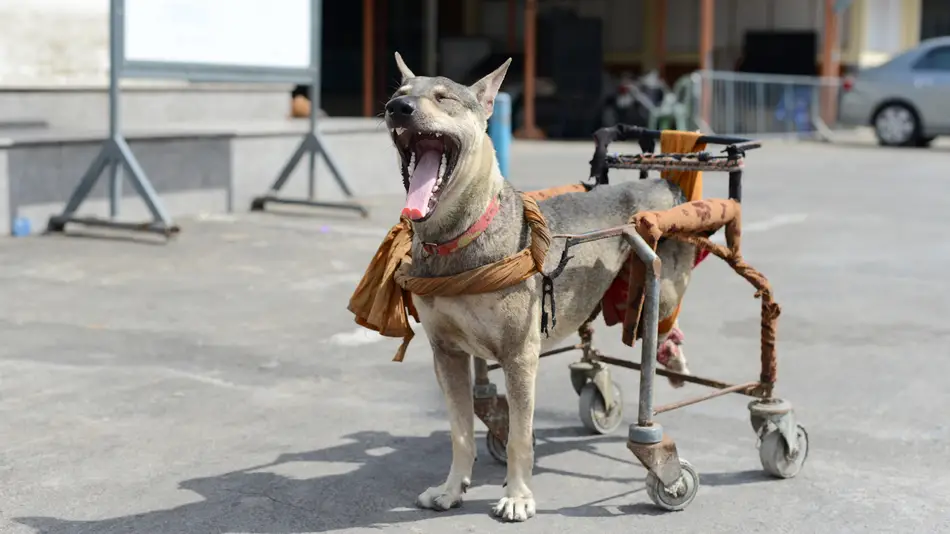
For dogs experiencing more substantial back leg weakness or paralysis, wheeled carts can provide a vital alternative for independent movement. These carts provide support for the dog’s back end, allowing them to move around with relative ease and freedom. The carts are designed to be easy to maneuver, providing a secure and comfortable ride for the dog. With the aid of these carts, dogs who might otherwise be confined to a restricted area within the home can now explore gardens, go on outings, and even participate in social activities with their families.
The impact of carts extends beyond merely fostering mobility; it can also significantly enhance the dog’s emotional well-being. When dogs are able to actively participate in family activities and enjoy outings like they did before losing strength in their legs, their joy and enthusiasm are palpable. Their psychological state is boosted, as they experience a sense of empowerment and engagement with their environment in a way they could not manage without support. These wheeled carts offer a testament to the creativity and dedication of pet caregivers in ensuring their canine companions retain a vital and engaged existence.
Adaptations for Enhanced Home Environment
The home environment can be tailored to accommodate the specific needs of dogs with Cushing’s syndrome. Ramps for stairs, for example, can make navigating the house much easier for dogs who struggle with stepping, jumping, or climbing. Non-slip surfaces within the home can help ensure a safer environment for dogs with reduced mobility, enhancing both physical and emotional comfort. Providing easy access to water and food bowls can help prevent exhaustion or strain when they need to reach for their essentials. In the realm of compassionate pet care, these small but meaningful adaptations contribute to a comfortable, safe, and encouraging home life for dogs living with the condition.
By creating a supportive environment and employing these innovative assistive devices, pet owners can contribute significantly to enhancing the quality of life for their dogs with Cushing’s syndrome. These devices don’t just alleviate the physical limitations; they also provide a positive emotional impact, encouraging a sense of independence, confidence, and joy in the dogs. This is a powerful reminder that even when faced with significant physical challenges, innovative and compassionate solutions can empower pets and their loved ones to navigate their journeys with grace and resilience.
Community Perspectives and Diverse Treatment Approaches
The community of pet owners and veterinarians caring for dogs with Cushing’s syndrome offers a rich landscape of perspectives on the diagnosis and management of this condition. Discussions within the veterinary and pet owner communities highlight different perspectives on the frequency of diagnosis, the specific treatment needs, and the overall importance of balancing treatment benefits with potential side effects.
Overdiagnosis and the Need for Tailored Care
One of the recurring themes among pet owners and veterinarians focuses on the potential for overdiagnosis. Some argue that the increased awareness of Cushing’s syndrome, coupled with the availability of advanced diagnostics, might result in some dogs being diagnosed and treated unnecessarily. They contend that some symptoms initially associated with Cushing’s might stem from other factors, such as aging, different medical conditions, or even lifestyle variations. It is important to remember that Cushing’s often presents with symptoms that can also be indicators of other conditions, so it’s not always simple to diagnose.
This perspective highlights the importance of carefully considering all aspects of a dog’s health and behavior before arriving at a diagnosis of Cushing’s syndrome. In other words, a ‘one-size-fits-all’ diagnostic and treatment approach might not be ideal for every dog. Veterinarians and pet owners need to work together to develop individualized treatment plans, considering the uniqueness of each dog’s situation and avoiding unnecessary interventions.
Individualized Treatment Strategies: Honoring Canine Diversity
In the realm of veterinary medicine, the concept of ‘individualized therapy’ has gained prominence. This approach emphasizes the significance of customizing treatment plans for each patient, considering their distinct health characteristics, lifestyle, and responses to treatment.
For dogs with Cushing’s, this individualized approach is essential. The severity of their symptoms, their overall health, their breed and size, and their particular response to various medications all factor into developing the optimal treatment regimen. A proactive dialogue between the pet owner and the veterinarian ensures that the treatment plan addresses the dog’s unique needs and considers potential side effects or complications.
The use of supportive care techniques, such as hydrotherapy or massage therapy, can complement conventional medical management. Hydrotherapy involves controlled exercises in a water environment, leading to physical improvements in muscle strength, mobility, and flexibility, alongside general stress reduction. Gentle massage techniques can improve circulation, alleviate pain, and promote relaxation in dogs. These therapeutic interventions can be used to enhance the overall well-being of dogs with Cushing’s, working hand-in-hand with the primary treatment regime.
Community Insights and the Importance of Shared Knowledge
The collective knowledge and experiences shared within pet owner communities serve as invaluable resources for those navigating the challenges of Cushing’s syndrome. Online forums, social media groups, and support networks facilitate the exchange of information and experiences, offering a sense of community and reassurance. Connecting with others who have faced similar challenges can provide a tremendous amount of solace and practical guidance.
Through these platforms, pet owners can access valuable insights into a variety of treatment strategies, share insights into different medical practitioners, and find guidance on managing the side effects of medication. The sharing of personal journeys and experiences not only offers practical advice but also a sense of companionship and mutual support in facing a challenging condition. The online community becomes a space where shared knowledge can alleviate the isolating nature of dealing with a unique and demanding condition. By facilitating the exchange of experiences and advice, these communities contribute to a greater understanding of Cushing’s syndrome and its multifaceted implications.
Conclusion
Cushing’s syndrome in dogs is a complex condition that significantly impacts both physical and emotional well-being. It’s a condition that requires a multifaceted approach that takes into consideration not only the physical manifestations, especially the debilitating impact on back legs, but also the emotional repercussions. Early diagnosis and timely intervention are essential for improving the dog’s quality of life. Through careful monitoring, individualized therapeutic approaches that blend medication with supportive care strategies, and the utilization of innovative assistive devices, veterinary medicine has achieved significant strides in enhancing the lives of dogs navigating the challenges of Cushing’s syndrome.
The perspectives and experiences shared within a community of dedicated pet owners and veterinary practitioners demonstrate that a tailored approach to treatment is crucial. Honoring the individuality and unique circumstances of each dog ensures the most effective and compassionate treatment outcomes. Understanding the complexity of the condition and the nuances of the treatment landscape leads us to a greater appreciation for the resilience of dogs and the deep emotional bond between pets and their companions. For those navigating this challenging journey, remember that there are resources and support available. Fostering open communication between veterinarians and pet owners is key to accessing the most appropriate treatments and managing the unique needs of each dog. The dedicated efforts of pet owners, innovators, and veterinary professionals all play a role in ensuring that dogs with Cushing’s receive the care and support they both need and deserve.
