
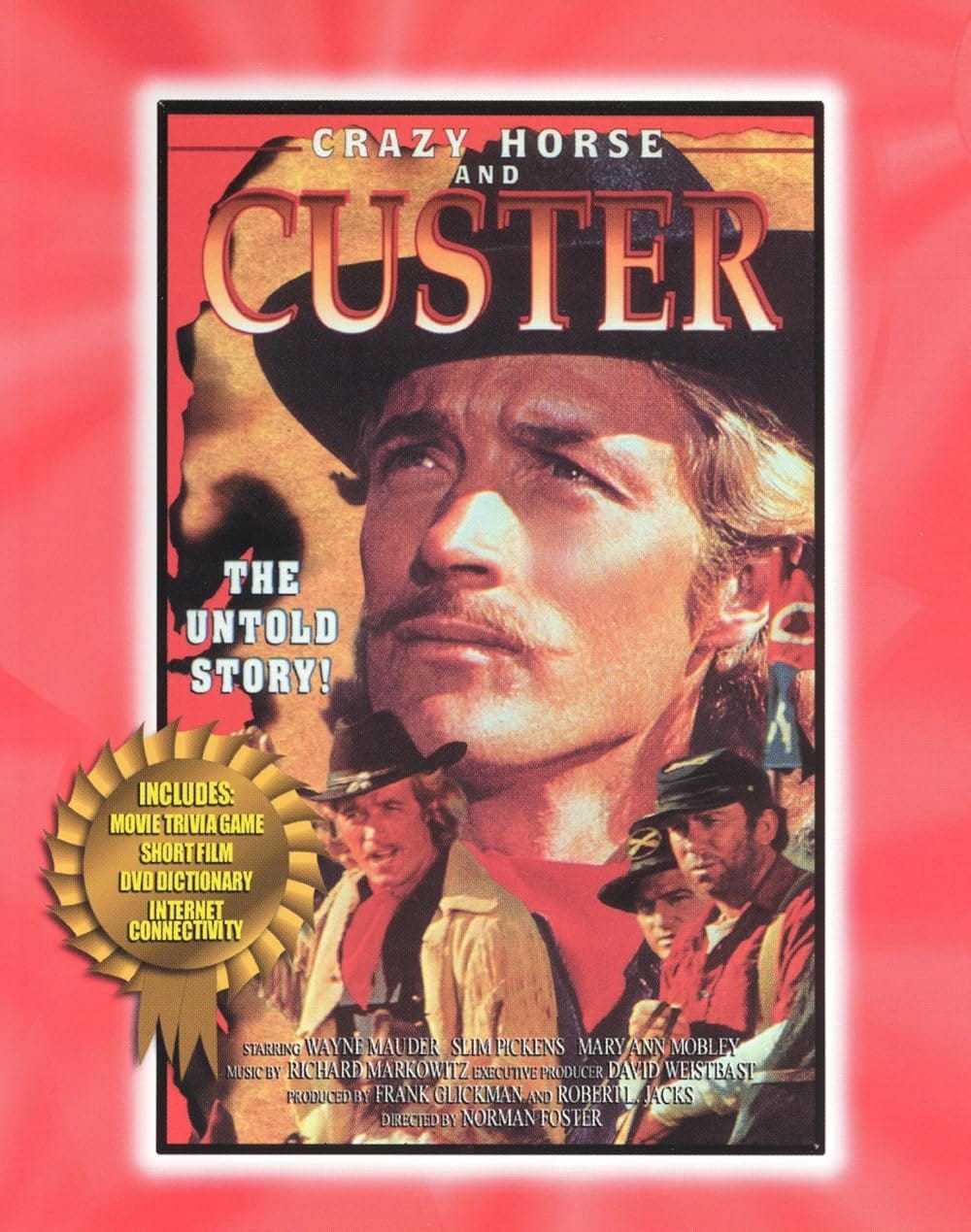
The epic clash between Lakota leader Crazy Horse and U.S. Army Lieutenant Colonel George Armstrong Custer is etched into the annals of American history. While the Battle of the Little Bighorn in 1876 is often remembered as Custer’s Last Stand, the full narrative encompasses a complex relationship, a clash of cultures, and the profound impact of westward expansion on Native American tribes. This is not just a story of a single battle, but of two vastly different worlds colliding, and the enduring legacies of two men who became symbols of their respective sides.
The name “Crazy Horse” evokes images of a fierce warrior, a spiritual leader, and a staunch defender of his people. Born around 1840, his early life was shaped by the traditions and nomadic lifestyle of the Oglala Lakota. He earned his name, Tashunke Witko, through acts of bravery and a visionary spirit that set him apart. His commitment to preserving the Lakota way of life, free from the encroaching pressures of the U.S. government, fueled his rise as a revered leader.
On the other side of this historical divide was George Armstrong Custer, a charismatic and ambitious West Point graduate. Known for his daring cavalry charges during the Civil War, Custer was often seen as a flamboyant and impetuous figure. His military career, though marked by battlefield successes, was also punctuated by controversial decisions and a relentless pursuit of glory. His motivations were deeply intertwined with the prevailing sentiment of Manifest Destiny, the belief that American expansion across the continent was not only inevitable but divinely ordained.
The Growing Tensions and the Black Hills
The mid-19th century saw an escalating conflict over Native American lands, particularly the sacred Black Hills, which were promised to the Lakota by treaty but increasingly eyed by prospectors for gold. The discovery of gold in the Black Hills in 1874, largely spurred by Custer’s own expedition, ignited a firestorm. The U.S. government, under pressure to appease miners and settlers, ultimately abrogated the treaty, demanding the Lakota cede the territory.
Crazy Horse and other prominent leaders like Sitting Bull refused to be displaced from their ancestral lands. They saw the U.S. government’s actions as a betrayal and a direct assault on their sovereignty and spiritual heritage. This defiance led to increased military pressure, with the U.S. Army tasked with forcing the tribes onto reservations.
The Path to the Little Bighorn
The summer of 1876 marked a turning point. A large encampment of Lakota, Cheyenne, and Arapaho tribes had gathered along the Little Bighorn River in Montana Territory. This gathering was not just a response to U.S. Army encroachment but also a significant cultural event, a summer solstice celebration and a time for collective decision-making.
Custer, leading the 7th Cavalry, was part of a larger U.S. Army strategy to round up the Native American tribes. Driven by a desire to achieve a decisive victory and perhaps influenced by his previous experiences where swift, aggressive action had proven successful, Custer decided to attack the large encampment. Historical accounts suggest he underestimated the size and fighting capability of the combined Native American forces, a critical miscalculation that would have dire consequences.
The Battle of the Little Bighorn: A Clash of Strategies
On June 25, 1876, Custer divided his command and attacked what he believed to be a vulnerable encampment. His strategy, characterized by a rapid advance and an aggressive assault, proved disastrous. The warriors, led by figures like Crazy Horse and inspired by Sitting Bull’s spiritual guidance, mounted a fierce and coordinated defense.
Crazy Horse, in particular, played a pivotal role in rallying the warriors. He was not just a fighter but a symbol of resistance, embodying the spirit of defiance that characterized the Lakota’s struggle for survival. His tactical acumen and his ability to inspire courage in his people were instrumental in repelling Custer’s attack. The battle that ensued was a brutal and decisive victory for the Native American forces, resulting in the complete annihilation of Custer’s immediate command.
Aftermath and Legacy
The news of Custer’s demise sent shockwaves across the United States. The Battle of the Little Bighorn, initially seen as a setback for the Army, ironically galvanized public opinion and strengthened the resolve of the U.S. government to subdue the Plains tribes. Despite their victory, the Native American tribes were unable to sustain their resistance indefinitely. Increased military pressure and the harsh realities of winter forced many, including Crazy Horse, to eventually surrender.
Crazy Horse’s surrender in 1877 marked a tragic turn in his life. He was later killed under controversial circumstances while resisting imprisonment, a stark reminder of the violent end to the Plains Indian Wars. His death cemented his status as a martyr for his people.
Custer, on the other hand, became a legendary figure in American history, often portrayed as a heroic martyr in the face of overwhelming odds. However, a more nuanced understanding of the “Crazy Horse and Custer story” reveals the complexities of the conflict, the injustices faced by Native Americans, and the tragic consequences of unchecked expansion. The untold story is one of resistance, cultural survival, and the enduring struggle for freedom in the face of overwhelming power. The legacy of Crazy Horse continues to inspire, representing an unwavering commitment to one’s people and their ancestral lands, a story that resonates far beyond the dusty plains of Montana.
