
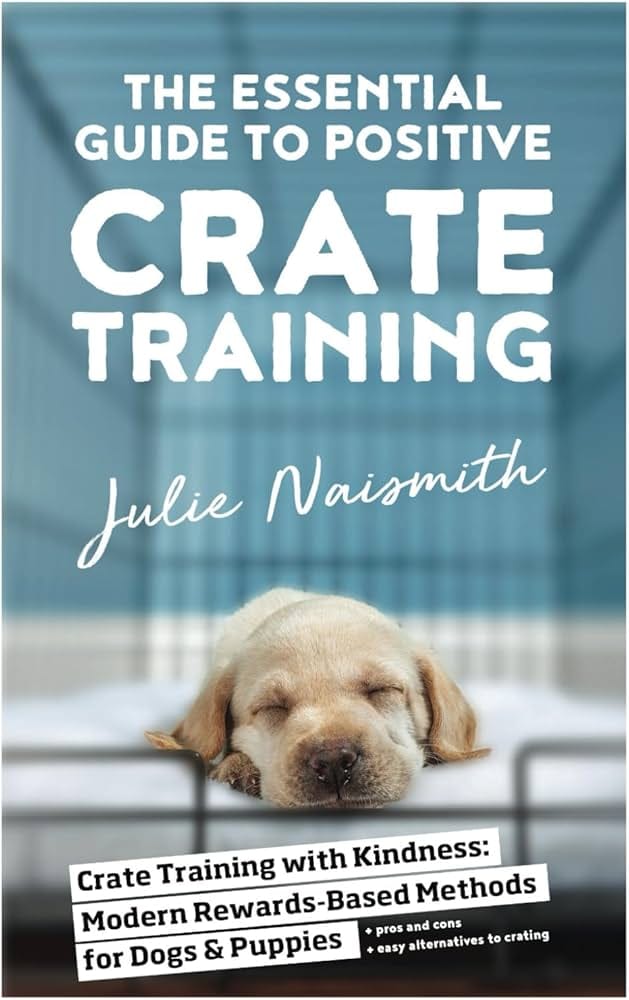
Welcome to the world of crate training, a journey that can transform your relationship with your canine companion. If you’re wondering how to make your dog feel safe and secure, or how to manage housetraining and destructive behaviors, you’ve come to the right place. Crate training isn’t about punishment; it’s about creating a den-like sanctuary for your dog, fostering independence, and building a stronger bond between you. This comprehensive guide will walk you through everything you need to know, from choosing the right crate to mastering advanced techniques.
The “Why” Behind Crate Training: More Than Just a Box
Crate training harnesses a dog’s natural instinct to seek a den. In the wild, canines seek out enclosed, safe spaces for rest and protection. A crate, when introduced correctly, becomes that safe haven for your pet. It’s a versatile tool that aids in housetraining by leveraging a dog’s aversion to soiling their sleeping area. Beyond housetraining, a crate can prevent destructive behaviors that stem from boredom or anxiety, providing your dog with a secure space when you can’t supervise them directly. It can also be invaluable during travel, recovery from surgery, or when introducing a new pet to the home. Understanding these foundational benefits is key to a successful crate training journey.
Choosing the Right Crate: Size Matters
Selecting the appropriate crate is the crucial first step. The crate should be large enough for your dog to stand up, turn around, and lie down comfortably. Too large, and your dog might use one end as a potty area, defeating the purpose of housetraining. Too small, and it won’t serve as a comfortable den. Many crates come with dividers, allowing you to adjust the space as your puppy grows, ensuring they always have a properly sized den.
Types of Crates:
- Wire Crates: These are popular for their versatility, allowing for good ventilation and visibility. They often come with dividers and are easily foldable for storage and travel.
- Plastic Crates: These offer a more den-like feel, which can be comforting for some dogs. They are durable and easy to clean, making them a good choice for travel.
- Soft-Sided Crates: Best for small, well-behaved dogs or for indoor use where a den-like atmosphere is desired. They are lightweight and portable but less durable than wire or plastic.
Crate Accessories: Comfort is Key
Once you have the right size crate, make it inviting. Add a soft, washable bed or blankets. You can also introduce a favorite chew toy to make the crate a place of positive association. Avoid placing food or water bowls inside unless specifically advised by a vet for extended stays, as this can sometimes encourage messes.
Introducing Your Dog to the Crate: The Gentle Approach
The key to successful crate training lies in positive association. Never force your dog into the crate. Instead, make it a place of good things.
- Open Invitation: Leave the crate door open and allow your dog to explore it on their own terms. Toss a few high-value treats or a favorite toy inside to encourage them to enter.
- Mealtime Magic: Feed your dog their meals inside or near the crate. Start by placing the food bowl just inside the door, gradually moving it further back as your dog becomes more comfortable.
- Short Stays: Once your dog is eating comfortably inside, begin closing the door for very short periods – just a few seconds at first. Gradually increase the duration as your dog remains calm and happy.
- Positive Reinforcement: When your dog is in the crate and calm, offer praise or a small treat. This reinforces the idea that the crate is a safe and rewarding place.
This process should be slow and patient. If your dog shows signs of distress, such as whining, barking, or scratching, you’ve likely moved too quickly. Backtrack to a stage where they were comfortable and proceed more slowly.
Housetraining with a Crate: Leveraging Natural Instincts
Crate training is one of the most effective methods for housetraining puppies and re-training adult dogs. Dogs have a strong instinct not to soil their sleeping area.
- Establish a Routine: Take your dog out to their designated potty spot immediately after they wake up, after meals, and after playtime.
- Crate Time: When you cannot directly supervise your dog, place them in their crate. This prevents accidents in the house.
- Potty Breaks: As soon as you let your dog out of the crate, take them directly outside to potty. Praise and reward them enthusiastically when they eliminate in the correct spot.
- Recognize Signals: Learn to recognize your dog’s signals that they need to go out – circling, sniffing intently, or whining at the door.
Consistency is paramount. Accidents will happen, but avoid punishing your dog. Instead, clean up thoroughly with an enzymatic cleaner to eliminate odors and prevent future accidents in the same spot.
Addressing Common Crate Training Challenges
While crate training is highly effective, some dogs may present challenges. Understanding and addressing these issues promptly can make all the difference.
Separation Anxiety
If your dog barks, howls, or shows extreme distress when left alone in the crate, they may be suffering from separation anxiety. This requires a more gradual approach, often involving desensitization exercises and potentially consulting a professional trainer or veterinarian. You might need to work on basics of crate training a puppy with extreme patience, ensuring every step is positive.
Crate Destructiveness
Some dogs may try to chew or dig their way out of the crate. Ensure the crate is sturdy and appropriately sized. Remove any toys or bedding that could be ingested. For persistent issues, consider consulting a professional on how to crate train a dog who is a destructive chewer.
Refusal to Enter
If your dog consistently refuses to enter the crate, it might be associated with a negative experience or simply a lack of positive reinforcement. Revisit the introduction phase, making the crate exceptionally appealing with irresistible treats and games.
It’s crucial to remember that crate training a dog at night requires patience and a consistent schedule. If your dog is struggling, reassess your approach and ensure the crate is perceived as a safe, positive space.
Advanced Crate Training Techniques and Tips
Once your dog is comfortable with the crate for short periods, you can gradually increase the duration. Here are some tips for mastering advanced stages:
- Nighttime Crate Training: For many,
crate train dog at nightis a significant hurdle. Make the crate part of the bedtime routine. Place it in your bedroom initially so your dog feels less isolated. As they gain confidence, you can move it to another room. - Longer Departures: Practice leaving your dog for progressively longer periods. Start with 30 minutes, then an hour, and so on. This helps them build confidence in being left alone. If you’re facing challenges with
crate training dog at night, ensure their daytime activities are sufficient to tire them out. - Travel Comfort: A familiar crate can provide a sense of security when traveling. Ensure it’s secured properly in the vehicle. If you’re looking for
dog crate training near me, consider local resources that might offer specialized advice or support for traveling with pets. - Post-Surgery Recovery: For dogs recovering from surgery, the crate provides a safe, confined space to rest and heal, preventing them from overexerting themselves.
The Long-Term Benefits of a Well-Crated Dog
A dog that has been positively crate trained is often a more confident, well-adjusted companion. They learn to self-soothe, are less prone to destructive behaviors, and are generally easier to manage in various situations. Crate training is an investment in your dog’s well-being and your peace of mind, laying the foundation for a lifetime of happy companionship.
The journey of crate training is unique for every dog. By understanding their natural instincts, employing patience, and focusing on positive reinforcement, you can help your dog embrace their crate as a safe haven, strengthening your bond and ensuring a harmonious life together. Remember, the goal is not to confine your dog, but to empower them with a sense of security and independence.
