
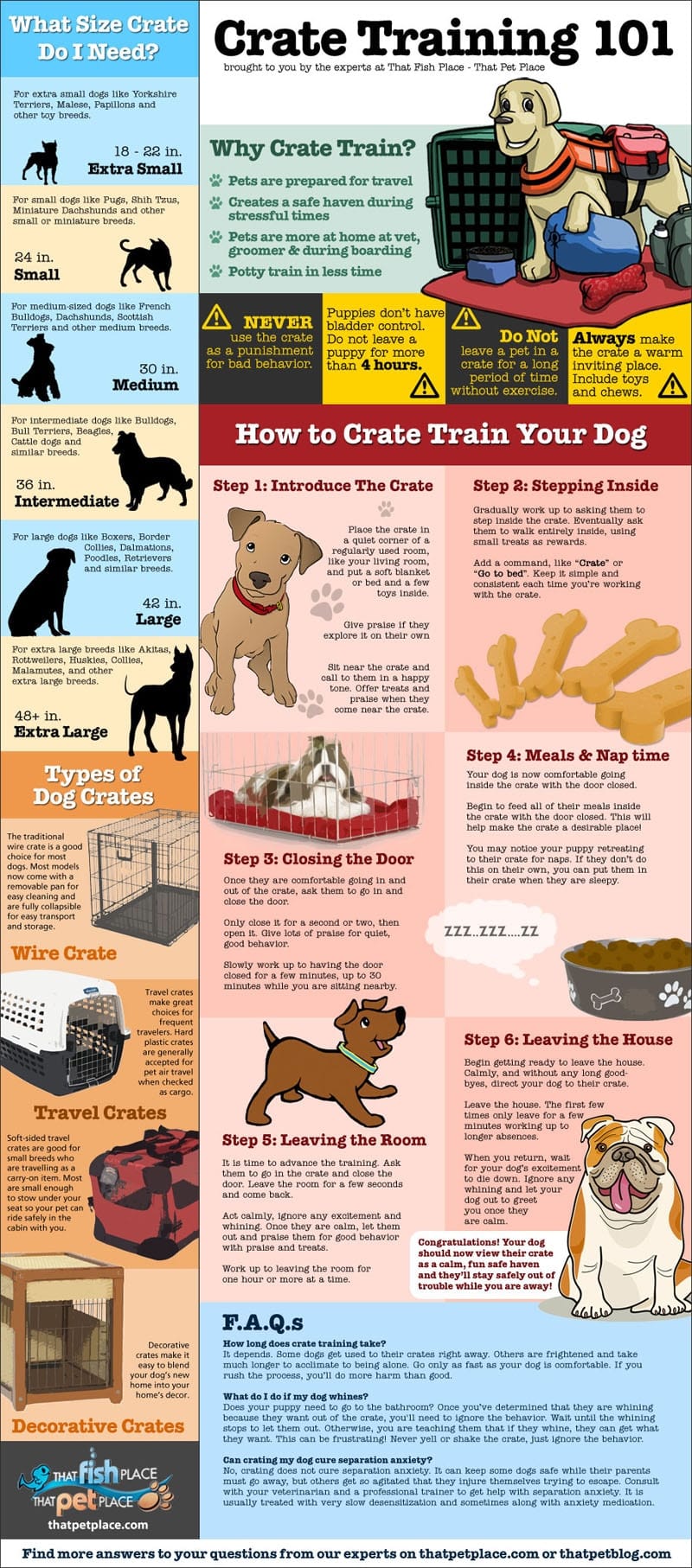
Bringing an older dog into your home is a rewarding experience, and establishing good habits from the start is key to a harmonious life together. Crate training, often associated with puppies, can be surprisingly beneficial for adult and senior dogs too. It provides a safe den-like space, aids in potty training, prevents destructive behavior, and can offer comfort during stressful times. This guide will walk you through the process of Crate Training Older Dogs, ensuring a positive and effective experience for both you and your new companion.
Understanding the Benefits of Crate Training for Senior Dogs
Many people wonder if older dogs can be crate trained, and the answer is a resounding yes! Adult and senior dogs can benefit immensely from a crate, which serves as their personal sanctuary. This secure space can alleviate anxiety, especially in new environments or during stressful events like thunderstorms or fireworks. For dogs who have experienced neglect or uncertainty, a crate can provide a consistent sense of security and predictability. It’s crucial to approach this process with patience and understanding, recognizing that older dogs may have established habits or anxieties that require gentle redirection.
Key Considerations Before You Start
Before introducing your older dog to a crate, consider a few essential factors:
Choosing the Right Crate
The size of the crate is paramount. An older dog’s crate should be large enough for them to stand up, turn around, and lie down comfortably. However, it shouldn’t be so large that they can use one end as a potty area and sleep in the other. If you have a larger crate, you can use dividers to adjust the space as needed. Consider the type of crate as well: wire crates offer excellent ventilation and visibility, while plastic or molded crates provide a more den-like feel. For older dogs, ensure the crate has a comfortable, non-slip floor.
Creating a Positive Association
The goal is to make the crate a desirable place for your dog. Never use the crate as a form of punishment. Instead, associate it with positive experiences like treats, favorite toys, and meals. Start by leaving the crate door open and encouraging your dog to explore it at their own pace.
Step-by-Step Crate Training for Older Dogs
This process requires patience and consistency. Remember that adult dogs may take longer to adapt than puppies.
1. Introduction to the Crate
- Leave the door open: Place the crate in a common area where your dog spends time. Let them investigate it on their own.
- Tempting treats: Toss a few high-value treats or a favorite toy just inside the crate. Encourage your dog to go in to retrieve them. Gradually toss treats further inside until they are comfortable going all the way in.
- Mealtime introduction: Feed your dog their meals inside the crate. Start by placing the food bowl just inside the door, then gradually move it further back as your dog becomes more comfortable. Eventually, they should eat their entire meal inside without hesitation.
2. Short Periods of Confinement
- Start with minutes: Once your dog is comfortable entering the crate for meals or treats, begin closing the door for very short periods – just a few minutes at first.
- Stay nearby: Remain in the same room initially. If your dog shows signs of distress, open the door and let them out calmly. Avoid making a fuss.
- Gradually increase time: As your dog settles, slowly increase the duration the door is closed. Aim for periods of 5-10 minutes, then gradually extend to 30 minutes or longer.
3. Gradual Separation
- Expand your presence: Once your dog is comfortable being in the crate with you in the room, start leaving the room for short periods while they are crated.
- Calm departures and arrivals: When you leave, do so calmly without excessive goodbyes. When you return, greet your dog calmly once they have settled. This helps prevent separation anxiety.
- Listen for cues: If your dog barks or whines excessively, it might be a sign they are not yet ready for that duration of confinement. Return to shorter periods.
4. Overnight Crate Training
- Start small: For the first few nights, you might place the crate in your bedroom. This allows your dog to be near you, providing reassurance.
- Potty breaks: Be prepared for overnight potty breaks, especially if your dog is new to the house or has a history of accidents. Set an alarm to take them out at regular intervals.
- Consistency is key: Maintain a consistent routine. As your dog becomes more comfortable and reliable with potty training, you can gradually move the crate out of your bedroom if desired.
Addressing Common Challenges
Whining and Barking
If your dog whines or barks, resist the urge to immediately let them out, as this can reinforce the behavior. Wait for a brief pause in the barking before opening the door. Ensure their needs (potty, food, water, exercise) are met before crating. Sometimes, a favorite chew toy or a special crate-only treat can help keep them occupied.
Refusal to Enter the Crate
If your dog is resistant to entering the crate, go back a few steps. Make the crate more appealing with irresistible treats and praise. Never force your dog into the crate. Positive reinforcement is the most effective method. You might also try covering the crate with a blanket to make it feel more enclosed and secure, like a den.
Potty Accidents in the Crate
Accidents can happen, especially with older dogs who may have underlying medical conditions or have not been fully potty trained. Ensure the crate is not too large. If accidents persist, it may indicate a need for more frequent potty breaks or a vet visit to rule out medical issues. Clean up accidents thoroughly with an enzymatic cleaner to eliminate odors that might encourage repeat offenses.
Crate Training and Separation Anxiety
For dogs suffering from separation anxiety, crate training should be approached with extra care. The crate should be a safe haven, not a place of confinement that exacerbates their anxiety. Gradual desensitization, positive reinforcement, and potentially professional guidance from a veterinarian or certified trainer are crucial. Building positive associations with the crate before leaving your dog alone in it is paramount. If your dog exhibits extreme distress, such as panic, destructive behavior, or house soiling when crated, consult a professional. Dogs with separation anxiety training needs may require a more tailored approach.
Tips for Success
- Patience is paramount: Older dogs may have deeply ingrained habits. Be patient and celebrate small victories.
- Consistency: Stick to a regular schedule for feeding, potty breaks, and crate time.
- High-value rewards: Use treats and praise that your dog absolutely loves.
- Never punish: The crate should always be a positive space.
- Consult your vet: Rule out any medical conditions that might affect your dog’s behavior or ability to be crate trained.
- Professional help: If you encounter significant difficulties, don’t hesitate to seek advice from a certified professional dog trainer. They can offer personalized strategies, especially for dogs with specific behavioral challenges like dogs with separation anxiety training requirements.
Crate training an older dog is an investment in their well-being and your relationship. By understanding their needs and employing a patient, positive approach, you can successfully integrate a crate into their life, providing them with a secure and comforting space that enhances their quality of life. This process, much like how to train potty train a dog, requires dedication but yields significant rewards. Remember, when do dogs get potty trained is a question with varied answers, and similarly, crate training success varies by individual.
