
Bringing an older dog into your home is a rewarding experience, and establishing good habits early on is key to a harmonious life together. While often associated with puppies, crate training can be incredibly beneficial for adult and senior dogs too. It provides a safe, den-like space for them, aids in house-training, prevents destructive behaviors, and can offer comfort during stressful times. This guide will walk you through the process of crate training older dogs, addressing common concerns and offering practical tips for success.
Understanding the Benefits of Crate Training for Adult Dogs
For many people, crates are for puppies. However, the advantages of crate training extend significantly to older dogs. Think of the crate not as a punishment, but as a secure haven for your dog. It offers them a private space where they can retreat, feel safe, and rest undisturbed. This sense of security is particularly important for rescue dogs or those who may have experienced past trauma or anxiety.
Moreover, a crate can be an invaluable tool for house-training older dogs, especially if they have a history of accidents or are adjusting to a new environment. It helps manage their elimination needs and can prevent them from developing bad habits in their new home. For dogs prone to chewing or destructive behaviors when left alone, a crate confines them safely, protecting your belongings and preventing potential ingestion of harmful items.
Why Older Dogs Might Need Crate Training
Older dogs, just like younger ones, can benefit from a safe space.
- New Environment Adjustment: Rescue dogs or those rehomed may feel insecure in a new place. A crate offers a consistent, safe zone.
- House-training Reinforcement: Even well-trained older dogs can have accidents due to stress, illness, or changes in routine. A crate aids in managing this.
- Preventing Destructive Behaviors: Boredom or anxiety can lead to chewing or digging. A crate can prevent this when the dog is unsupervised.
- Medical Recovery: Post-surgery or during illness, a crate restricts movement, aiding recovery and preventing re-injury.
- Travel Companion: A familiar crate can make travel less stressful for your dog.
Getting Started: Choosing the Right Crate
The first step is selecting an appropriate crate. For older dogs, comfort and size are paramount.
Size Matters
Your dog should be able to stand up, turn around, and lie down comfortably inside the crate. If the crate is too large, the dog may choose one end as a toilet area, defeating the purpose of house-training. Many crates come with dividers that allow you to adjust the space as your dog grows or if you’re using it for a puppy that will eventually need a larger space. For an older dog, ensure the chosen size is immediately comfortable.
Crate Types
- Wire Crates: These are popular for their ventilation and visibility. They often come with a plastic or metal pan that’s easy to clean. Many wire crates can be folded for storage and transport.
- Plastic/Pet Carriers: These offer a more den-like feel, which can be comforting for some dogs. They are durable and easy to clean, often preferred for travel.
- Wooden Crates/Furniture Crates: These can be more aesthetically pleasing and blend in with home decor. They often offer good ventilation and durability.
Consider your dog’s personality. If they are anxious, a more enclosed plastic or wooden crate might make them feel more secure than an open wire one.
Introducing the Crate: Making it a Positive Experience
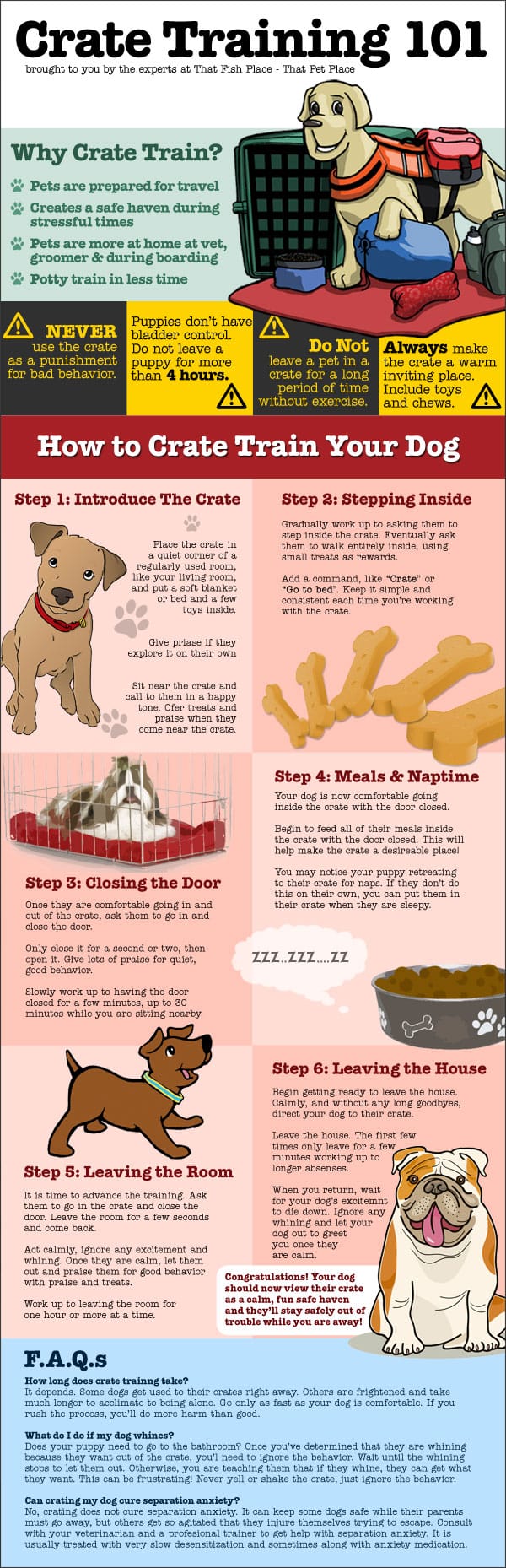
The key to successful crate training, especially for older dogs, is to make the experience overwhelmingly positive. Never force your dog into the crate.
Step 1: Create a Comfortable Den
- Location: Place the crate in a room where the family spends time, like the living room. This helps the dog feel included and less isolated.
- Bedding: Make the inside inviting with soft, comfortable bedding – a thick dog bed, blankets, or towels. Ensure the bedding is washable, as accidents can happen.
- Toys: Place a few safe, chewable toys inside. A favorite toy or a puzzle feeder can make the crate a place of enjoyment.
Step 2: Positive Association
- Treats and Praise: Toss high-value treats into the crate. Encourage your dog to go in and get them. Praise them when they voluntarily enter.
- Feeding Time: Start feeding your dog their meals inside the crate, with the door open initially. Gradually, you can close the door for a few minutes while they eat. This associates the crate with a positive, rewarding experience.
Step 3: Gradual Acclimation
- Short Durations: Once your dog is comfortable going in and out, start closing the door for very short periods while you are present. Begin with just a minute or two, then gradually increase the time.
- Leaving the Room: As your dog tolerates the closed door, start leaving the room for short intervals – a few seconds, then a minute, then longer. Always return before your dog becomes distressed.
- Positive Greeting: When you return, greet your dog calmly. Avoid overly enthusiastic greetings, which can increase their excitement and anxiety when you leave again.
House-Training Older Dogs with a Crate
If your older dog is not fully house-trained, the crate can be a powerful aid.
Establish a Routine
- Frequent Potty Breaks: Take your dog out frequently, especially after waking up, after meals, and before bedtime.
- Crate to Potty: Immediately upon letting your dog out of the crate, take them directly to their designated potty spot outside. Praise and reward them enthusiastically when they eliminate.
- Supervision: When your dog is out of the crate, supervise them closely. If you see signs they need to go (circling, sniffing intently), take them out immediately.
Handling Accidents
If an accident happens inside the crate, don’t punish your dog. Clean it thoroughly with an enzymatic cleaner to eliminate odors that might encourage future accidents. If accidents are frequent, the crate might be too large, or your dog may need more frequent potty breaks. If accidents happen outside the crate, interrupt them with a sharp noise, then immediately take them outside to their potty spot.
Addressing Common Challenges in Crate Training Older Dogs
Older dogs may come with pre-existing anxieties or behaviors that can make crate training more challenging.
Separation Anxiety
If your dog exhibits signs of separation anxiety (pacing, excessive barking, destructive behavior, or house-soiling when left alone), crate training needs to be approached with extreme caution. For these dogs, the crate can sometimes exacerbate anxiety if not introduced properly. Always ensure the crate is a positive space and never use it for punishment. If anxiety is severe, consult with a professional dog trainer or a veterinary behaviorist. They can help you develop a specific plan, which may involve desensitization, counter-conditioning, and potentially medication.
Resistance to the Crate
Some older dogs may resist entering the crate, especially if they’ve had negative experiences.
- Never Force: Coercion will only create fear and aversion.
- Positive Reinforcement: Use high-value treats, favorite toys, and praise to make the crate a desirable place.
- Patience: Older dogs may need more time to adjust. Go at your dog’s pace and celebrate small victories.
- Durable Chew Toys: Providing engaging toys inside the crate can redirect their focus and make the experience more enjoyable. For instance, a durable chew toy can keep them occupied and reduce the perception of confinement.
Nighttime Crate Use
- Potty Needs: Older dogs, especially seniors, may need to go outside during the night. If your dog is whining, try taking them out for a brief potty break without making it a playtime or a reward.
- Comfort: Ensure their bedding is comfortable and the crate is in a quiet location, but not so isolated that they feel completely alone.
When to Seek Professional Help
While many dogs adapt well to crate training with patience and positive reinforcement, some may require professional guidance.
- Severe Separation Anxiety: If your dog shows extreme distress, panic, or destructive behavior when crated or left alone.
- Aggression: If your dog shows aggression towards the crate or when you try to interact with them near the crate.
- No Progress: If you’ve been consistent for several weeks and see no improvement, a trainer can help identify underlying issues and adjust the training plan.
A certified professional dog trainer or a veterinary behaviorist can assess your dog’s specific needs and provide tailored strategies for successful crate training. Remember, the goal is to create a safe, comfortable space for your older dog, enhancing their well-being and strengthening your bond.
Conclusion: A Safe Haven for Your Senior Companion
Crate training an older dog is a process that requires patience, understanding, and a commitment to positive reinforcement. By making the crate a sanctuary rather than a confinement, you can help your senior dog feel more secure, manage behavioral issues, and build a deeper connection. Every dog is an individual, and their journey with crate training will be unique. Celebrate the progress, no matter how small, and enjoy the peace of mind that comes with knowing your beloved companion has a safe and comfortable den of their own. For more insights into canine behavior and training, exploring resources on dog obedience training miami fl can provide valuable perspectives on shaping positive behaviors in dogs. If house-training is a particular concern, understanding the efficacy of tools like potty training spray for dog can be beneficial. Remember, consistent training, much like that offered in areas like dog training reading pa, is crucial for overall canine well-being. Addressing issues such as toilet trained dog peeing inside requires a nuanced approach, and local expertise, like that found in dog training warner robins, can be invaluable.
