
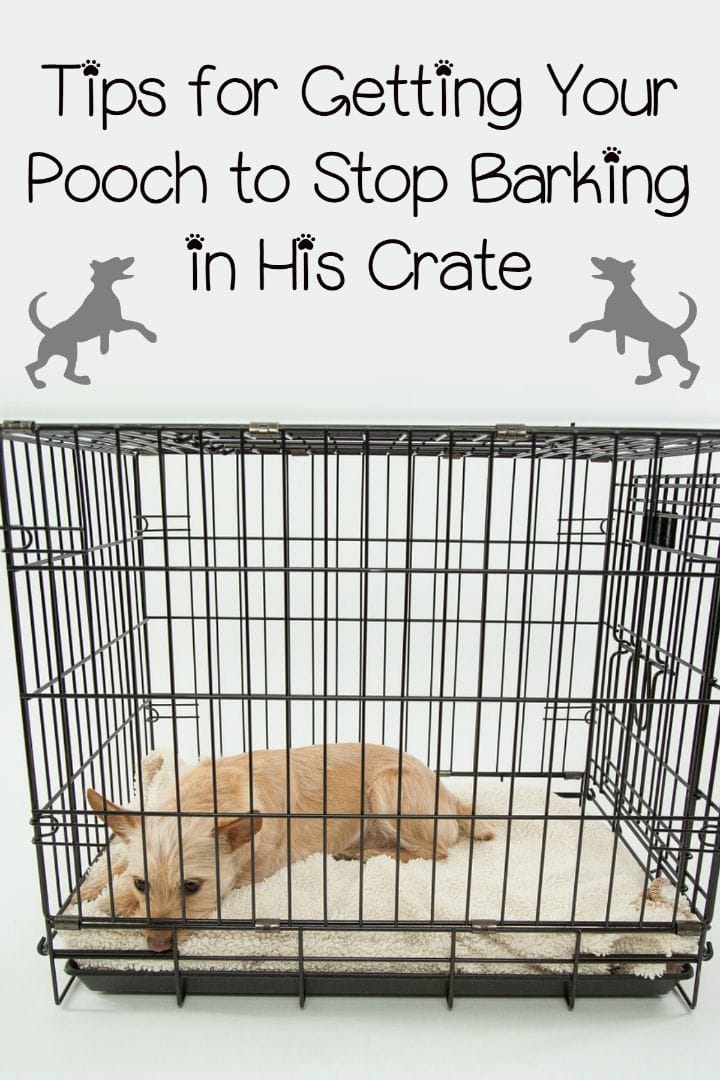
The sound of a dog barking incessantly from their crate can test the patience of even the most devoted pet parent. It’s a frustrating, often heart-wrenching noise that can lead to sleepless nights and concerned neighbors. If you’re dealing with Crate Training Dog Barking, you might be wondering if you’re doing something wrong or if your dog will ever accept their crate. The good news is that you can solve this problem. The key is to understand why your dog is barking and to transform their crate from a place of distress into a safe, personal den.
This isn’t just about stopping the noise; it’s about teaching your dog to feel secure and comfortable when they’re alone. With the right approach, patience, and consistency, you can turn crate time into a peaceful experience for everyone. For more complex training challenges, understanding different methodologies like those used in purpose driven k9 dog training can offer broader insights into canine behavior. Let’s explore the root causes of this common issue and walk through the steps to achieve a quiet crate and a happy dog.
Why Is My Dog Barking in the Crate?
Before you can address the barking, you need to play detective and figure out the cause. A dog’s bark is their primary way of communicating, and crate barking is rarely done just to annoy you. It’s a signal that something is wrong in their world.
Common Reasons for Crate Barking
- Loneliness or Fear: Dogs are social animals. Being confined and alone can trigger feelings of isolation or fear, especially for a new puppy who is used to sleeping with their littermates. The crate might seem like a scary, unfamiliar box rather than a safe space.
- Boredom and Excess Energy: If your dog hasn’t had enough physical exercise or mental stimulation, they’ll have pent-up energy to burn. Barking becomes an outlet for that frustration and boredom. A tired dog is a quiet dog.
- Attention-Seeking Behavior: Your dog is smart. If they bark and you immediately come running to let them out or give them attention (even negative attention), they learn a simple equation: Barking = Freedom/Attention. This quickly becomes a learned behavior.
- Needing a Potty Break: This is especially common in puppies or newly adopted dogs. Their barks might be a genuine signal that they need to go outside to relieve themselves. Learning their potty schedule is a crucial part of training, and for a deeper dive, you can explore resources on how to train dogs to pee outside.
- Separation Anxiety: This is more than just a little whining. True separation anxiety is a state of panic when a dog is left alone. It can involve relentless barking, destructive behavior, and attempts to escape the crate. This is a serious condition that often requires a more intensive training plan.
Understanding the “why” behind the bark is the first step. A dog barking from boredom needs a different solution than a dog barking from genuine fear.
Creating a Crate Haven, Not a Prison
The single most important goal of crate training is to make your dog love their crate. It should be their personal den, a sanctuary where they feel safe and relaxed. If your dog sees the crate as a punishment zone, you’ll never overcome the barking.
How to Build Positive Crate Association
Start by making the crate the most wonderful place in the house. Furnish it with a comfortable bed, safe chew toys, and maybe an old t-shirt that smells like you. The crate door should stay open initially, allowing your dog to explore it on their own terms.
Feed your dog their meals inside the crate. Place their food bowl at the very back so they have to step all the way inside to eat. This builds a powerful positive association with the space. You can also play “crate games,” tossing high-value treats inside and praising them excitedly when they go in to get them. The goal is to make entering the crate a voluntary and rewarding choice.
As veterinary behaviorist Dr. Emily Carter states, “The biggest mistake owners make is forcing a dog into a crate too quickly. You must build a foundation of trust with the space first. The crate should predict wonderful things, like a favorite treat or a satisfying chew toy, long before you ever close the door.”
The Step-by-Step Guide to Stop Crate Barking
Once you’ve started building a positive association, you can begin to actively address the barking. This process requires patience and consistency.
Step 1: Perfect the Pre-Crate Routine
What you do before crating your dog is just as important as what you do during. Set your dog up for success by ensuring all their needs are met.
- Exercise: Take your dog for a brisk walk, a game of fetch, or a training session. A well-exercised dog has less energy to fuel anxious barking.
- Potty Break: Always provide a potty break right before they go into the crate. This eliminates the possibility that they are barking because they need to go out.
- Food and Water: Make sure they aren’t hungry or thirsty, but avoid leaving large amounts of water in the crate to prevent accidents.
Step 2: Master the Gradual Departure
Never make crating a dramatic event. Your departure should be calm and uneventful.
- Start Small: Begin by closing the door for just a few seconds while you are still in the room. Then, open it and give praise. Gradually increase the duration.
- Leave the Room: Once they are calm with the door closed, step out of the room for a minute. Return before they start barking. You want to teach them that you always come back.
- Increase Duration: Slowly extend the time you are away. Use a camera or baby monitor to observe their behavior without them seeing you.
Step 3: How to React When the Barking Starts
This is the most critical step. Your reaction will either reinforce the barking or extinguish it.
- DO NOT let them out while they are barking. This is the golden rule. If you do, you are teaching them that barking is the key to getting what they want.
- Wait for a Pause: Wait for even a brief moment of silence. The second they are quiet, return and let them out. This rewards the quiet behavior, not the barking.
- Give a Calm Correction (If Needed): If the barking is persistent, you can give a firm, sharp “Quiet” or “No” from outside the room. Do not yell or sound angry. The goal is to interrupt the behavior, not scare them. Then, wait for silence before you return.
For some owners, managing persistent behavioral issues can be overwhelming. In such cases, professional help through a program like a dog training boarding school can provide the intensive, structured environment needed for a breakthrough.
Common Crate Training Mistakes to Avoid
Many well-intentioned owners accidentally make crate training dog barking worse. Avoid these common pitfalls:
- Using the Crate for Punishment: The crate must always be a positive space. Never send your dog to their crate as a timeout or for misbehaving.
- Leaving Your Dog in Too Long: Puppies and adult dogs can only hold their bladder for a certain number of hours. Be realistic about how long you leave them crated. A general rule for puppies is their age in months plus one (e.g., a 3-month-old can hold it for about 4 hours).
- Making a Big Fuss Over Leaving/Returning: Long, emotional goodbyes or overly excited greetings can increase your dog’s anxiety about your absence. Keep your arrivals and departures low-key.
- Inconsistency: Everyone in the household must be on the same page. If one person lets the dog out when they bark, it will undermine all your hard work.
When to Seek Professional Help
While most cases of crate barking can be solved with patience and consistent training, some situations require professional intervention. If you suspect your dog has severe separation anxiety—characterized by panic, destructive behavior, drooling, or self-injury—it’s time to consult a professional.
Start with your veterinarian to rule out any underlying medical issues. They can then refer you to a certified professional dog trainer or a veterinary behaviorist. These experts can create a tailored behavior modification plan for your dog’s specific needs. Finding qualified local help, such as the best dog training in Indianapolis, can provide you with the hands-on guidance necessary to address complex behavioral challenges.
Frequently Asked Questions (FAQ)
How long does it take to stop crate training barking?
The timeline varies greatly depending on the dog’s age, temperament, and the reason for barking. It could take a few days for a minor issue or several weeks for a more ingrained behavior. Consistency is the most important factor for success.
Should I cover my dog’s crate with a blanket?
Many dogs find a covered crate more comforting and den-like, as it reduces visual stimuli and helps them relax. However, some dogs may feel more anxious if they can’t see out. Experiment to see what your dog prefers, and ensure there is still adequate ventilation.
What if my puppy barks in the crate at night?
For puppies, nighttime barking is often a genuine need to go potty. Set an alarm to take them out for a scheduled potty break during the night. Do not play or give them lots of attention; keep it boring and business-like so they learn it’s not playtime.
Can I use anti-bark collars for crate training?
It is generally not recommended to use punishment-based tools like shock, spray, or vibration collars for crate barking. These methods can increase fear and anxiety associated with the crate, worsening the underlying problem rather than solving it.
My dog used to be fine in the crate, why did they start barking now?
A sudden change in behavior can be due to several factors. A change in routine, a scary event that happened near the crate (like a thunderstorm), or an underlying medical issue could be the cause. It’s always a good idea to consult a vet if a new, unexplained behavior appears.
Your Journey to a Peaceful Crate
Resolving crate training dog barking is a journey that builds a deeper bond of trust and communication between you and your dog. Remember to be patient, stay positive, and celebrate the small victories along the way. By transforming the crate into a safe haven and consistently reinforcing quiet behavior, you are giving your dog a valuable life skill: the ability to be calm and confident when alone. The peaceful nights and quiet moments will be well worth the effort.
