
Crate training an adult dog requires patience and a focus on creating positive associations with the crate. Unlike puppies, adult dogs may come with pre-existing anxieties or habits, making the introduction to a crate a gradual process. The core principle is to foster positive emotions surrounding the crate, ensuring your dog feels secure and comfortable. This approach is crucial for their overall well-being and helps them remain calm, especially when spending time in their den.
To cultivate a positive perception of the crate, make it a rewarding space. Reserve special treats exclusively for when your dog is inside. Offering meals within the crate also aids in making them feel at ease. Equip the crate with comfortable bedding, such as their favorite dog bed and soft blankets, to enhance the sense of relaxation. Placing the crate in a high-traffic area of your home will further help your dog feel more integrated and calm. Over time, you can encourage your dog to enter their crate voluntarily for downtime after exercise or before bedtime.
Investing in a high-quality crate can significantly streamline the training process. The Fido dog crate range offers a robust and comfortable option for various dog breeds and sizes.
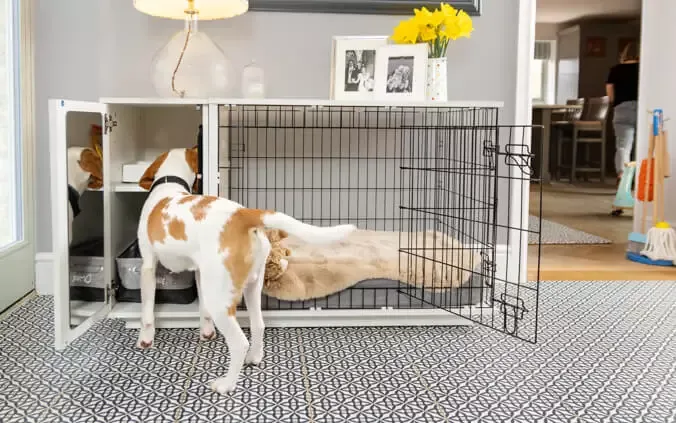 Learn how to crate train an older dog with ease
Introducing Your Adult Dog to Their New Crate
The initial stage of crate training an adult dog involves familiarizing them with their new enclosure. As it’s a novel space, some initial nervousness is natural. However, with a structured, step-by-step approach, your dog will soon feel at home.
Step One: Encourage Entry with Positive Reinforcement
Begin by enticing your older dog into the crate using treats and ample verbal praise. Ensure you offer affection once they are inside to help them relax. If your dog displays signs of fear or anxiety, use a calm, soft tone of voice to reassure them until they settle. After short intervals, typically a couple of minutes, invite your dog out of the crate. It’s beneficial to start with brief durations and progressively increase the time spent inside, working towards overnight stays. Offer praise generously when they exit, but reserve treats exclusively for when they are inside the crate. Repeat this step until your dog readily enters and exits the crate without apprehension.
Step Two: Gradually Introduce Door Closure
Once your dog appears comfortable entering and resting in the crate with the door open, you can begin to close it. The next phase involves inviting your dog inside and then closing the door for approximately 30 seconds. Providing a chew toy or a large bone can help keep them occupied and potentially extend their stay. Remain visible to reassure them that they can exit if they feel uneasy. After the set time, or if they are engrossed in their chew toy, open the door and invite them out. If your dog shows signs of distress while inside, try to soothe them with a gentle voice. If this proves ineffective, open the door, allow them to exit, and revert to Step One of crate training adult dogs.
Step Three: Increasing Duration of Crate Time
Continue practicing Step Two, progressively extending the duration your dog spends inside the crate. Throughout this process, remain present and offer praise when you open the door to let them out. With consistent practice, your dog will learn to associate their crate with positive experiences and may even begin to use it independently. Your dog will learn to love his crate if it becomes a place they enjoy.
 Mixed-breed-old-dog-resting-outdoors
Older dogs who haven’t used a crate before will take a little time to get used to the idea.
Transitioning Older Dogs to Overnight Crate Sleeping
The most effective method for transitioning your older dog to sleeping in their crate at night is to ensure their environment is as comfortable as possible. A warm, safe, and inviting crate will foster a positive association. Include soft bedding and continue to offer treats only when your dog is inside the crate to reinforce this positive connection.
Step One: Ensure Sufficient Exercise
Before commencing crate training, it is vital to adequately exercise your dog. Engage them in activities like running or playing with their favorite toys to expend excess energy. If your dog has pent-up energy when invited into the crate, settling down for the night will be challenging.
Step Two: Use a Bedtime Treat as an Incentive
After your dog has expended their energy, entice them into the crate with a treat. Once inside, offer praise and affection. If your dog isn’t fully settled, you don’t need to close the door immediately. Sit with them until they are calm, then reward them with a treat. A tired dog is more likely to seek rest, creating an ideal scenario for this stage of crate training. Once they fall asleep, quietly close the door and supervise them until they wake.
Step Three: Gradually Extend Crate Time for Night Preparation
The subsequent step involves extending the duration your dog stays in the crate. Begin with approximately one hour. If your dog wakes before the hour is complete, remain with them until they drift back to sleep. Once asleep, gently close the door and observe until they stir. If they show no inclination to return to sleep, allow them out, and ensure they are thoroughly tired before the next training session.
Step Four: Achieve Quiet Resting Behavior
Continue increasing the time your adult dog spends in the crate during training sessions until they can rest quietly for several hours. At this point, they should be prepared for overnight stays. Remember that persistence and consistency are paramount in training adult dogs. By ensuring their experience in the crate is relaxing and positive, they will soon gain confidence and use it willingly.
Crate Training for Adult Dogs and Puppies
Whether you are crate training an adult dog or introducing your puppy to a dog crate, our step-by-step guides are tailored to meet their specific needs. Once your adult dog is successfully crate trained, you might consider using a dog crate in a car for safe and secure travel. Crates provide an excellent solution for transporting your dog, ensuring the safety of both you and your pet.
Omlet Pet Care Services
At Omlet, we are dedicated to strengthening the bond between you and your pets. We offer a range of products, from chicken runs designed to protect your flock, to outdoor cat enclosures that provide a safe space for your feline friends to explore. Discover the perfect ways to care for your dogs, cats, and chickens with Omlet’s innovative solutions.
