
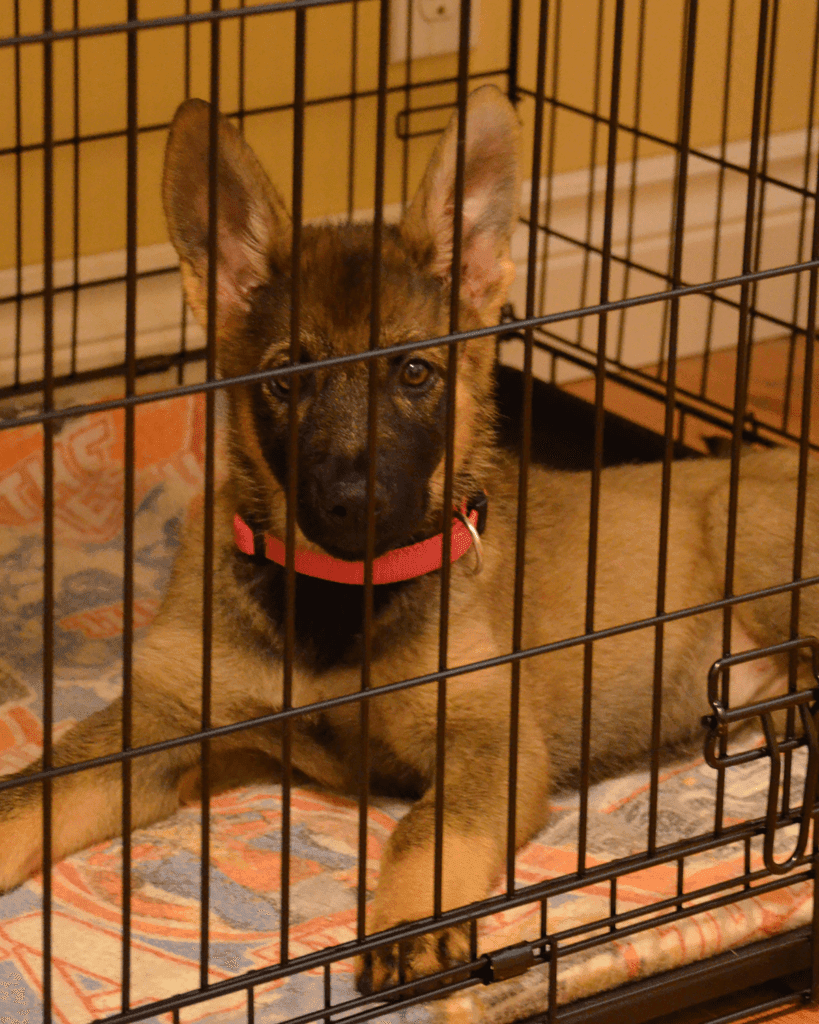
It can be baffling and concerning when your once-settled, crate-trained dog suddenly starts crying at night. You’ve put in the work, established a routine, and your dog seemed perfectly content in their crate. Now, they’re vocalizing distress, leaving you wondering what’s going on and how to help. This shift in behavior can stem from various underlying causes, ranging from simple environmental changes to more complex physical or emotional issues. Understanding these potential triggers is the first step towards restoring peaceful nights for both you and your furry companion.
Understanding the Shift: Why the Sudden Crying?
Your dog’s crate is typically their safe haven, a den where they feel secure. When that security is disrupted by nighttime crying, it’s a signal that something has changed or is causing them discomfort. It’s crucial to approach this issue with patience and a detective’s mindset, as the solution often lies in identifying the root cause. We need to consider everything from their physical well-being to their emotional state and the environment they sleep in.
Physical Discomfort or Medical Issues
One of the most critical areas to investigate is your dog’s physical health. Sudden changes in behavior, especially those that manifest at night, can often be linked to underlying medical conditions or discomfort.
- Pain: Is your dog experiencing any pain? This could be due to arthritis, an injury, dental issues, or even an upset stomach. Dogs often try to hide pain, but vocalization, especially during rest, can be a tell-tale sign.
- Urgency to Potty: A sudden increase in the need to urinate or defecate could be due to a urinary tract infection (UTI), gastrointestinal upset, or simply a change in diet that’s affecting their digestion. Older dogs may also experience a decline in bladder control.
- Age-Related Changes: As dogs age, they can develop conditions like cognitive dysfunction syndrome (similar to dementia in humans), which can cause confusion, anxiety, and disorientation, particularly at night. Vision or hearing loss can also contribute to nighttime distress.
- Dietary Indigestion: A new food, a change in feeding schedule, or even a late-night snack could be causing digestive discomfort, leading to restlessness and crying.
Environmental and Routine Changes
Dogs are creatures of habit, and even minor disruptions to their established routine or environment can cause significant stress.
- Changes in the Household: Has there been a new pet, a new baby, a new roommate, or has someone moved out? These shifts can create anxiety and insecurity for your dog.
- alterações in Schedule: If your dog’s feeding, walking, or playtime schedule has changed, they might be experiencing stress or an unmet need. For instance, a later dinner might mean they need to go out more frequently at night.
- Weather or External Noises: Loud storms, fireworks, or even changes in temperature can startle or upset your dog, making them anxious in their crate.
- Location of the Crate: Has the crate been moved to a different room? If it’s now in a more isolated or unfamiliar area, your dog might feel more anxious.
Behavioral and Emotional Factors
Beyond physical and environmental shifts, emotional and behavioral reasons can also trigger nighttime crying.
- Separation Anxiety: While crate training aims to alleviate separation anxiety, a sudden onset of crying might indicate that the anxiety is resurfacing or has developed. This is especially true if the crying occurs when they are left alone, even if it’s just in their crate.
- Fear or Phobias: A traumatic event, a scary noise, or even a nightmare could lead to a fear that manifests as nighttime crying.
- Boredom or Lack of Stimulation: If your dog isn’t getting enough physical exercise or mental stimulation during the day, they might be restless and crying out of boredom at night.
- Loneliness: If your dog is used to sleeping in your bedroom or having you nearby, moving them to a different location or being away for an extended period could lead to feelings of loneliness and distress.
Addressing the Crying: Practical Solutions
Once you have an idea of the potential causes, you can begin implementing targeted solutions. It’s often a process of elimination and careful observation.
Rule Out Medical Concerns First
Before exploring other options, it’s vital to consult your veterinarian. Describe the crying behavior in detail, including when it started, how long it lasts, and any other accompanying symptoms. Your vet can perform a physical examination and diagnostic tests to rule out any pain, illness, or age-related conditions. This is the most important first step, as addressing a medical issue is paramount.
Reinforce Crate Training Positively
If medical issues are ruled out, focus on reinforcing positive associations with the crate.
- Never Use the Crate for Punishment: The crate should always be a safe and positive space. Punishing your dog by sending them to the crate will only increase their anxiety.
- Gradual Reintroduction: If the crate has become a source of distress, you might need to go back to basics. Make the crate incredibly appealing with high-value treats, favorite toys, and comfortable bedding.
- Short, Positive Sessions: Start with very short periods where your dog is in the crate, rewarding calm behavior. Gradually increase the duration as they become more comfortable.
- Leave Soothing Items: A piece of your clothing (with your scent) or a favorite chew toy can provide comfort.
Adjusting the Environment and Routine
Making small adjustments to your dog’s environment and daily schedule can make a significant difference.
- Consistent Schedule: Maintain a predictable routine for feeding, walking, potty breaks, and playtime. Ensure a final potty break right before bedtime.
- Adequate Exercise and Mental Stimulation: Ensure your dog is getting enough physical activity during the day to tire them out. Puzzle toys, training sessions, and interactive games can provide mental enrichment.
- Crate Placement: If possible, place the crate in your bedroom or a common area where your dog feels less isolated. If they are used to being near you, this can be a comforting change.
- Comfortable Crate: Ensure the crate is the right size – large enough for them to stand, turn around, and lie down comfortably, but not so large that they can use one end as a potty area. Provide comfortable bedding.
- White Noise or Calming Music: A fan, white noise machine, or calming music can help mask external noises that might be disturbing your dog.
Addressing Behavioral and Emotional Needs
For issues related to anxiety, fear, or loneliness, a more targeted approach is needed.
- Separation Anxiety: If separation anxiety is suspected, consult a professional dog trainer or veterinary behaviorist. They can recommend desensitization and counter-conditioning techniques. Gradually accustoming your dog to short periods of alone time is key.
- Comfort Objects: Provide a safe, durable chew toy or a comforting item with your scent.
- Calming Aids: Discuss with your vet about natural calming supplements or pheromone diffusers that might help ease anxiety.
- Nighttime Potty Break: If you suspect a need to go out, set an alarm to take your dog out for a brief, low-key potty break in the middle of the night. Avoid making it playtime.
When to Seek Professional Help
If you’ve tried several solutions and your dog’s nighttime crying persists or worsens, it’s time to seek professional guidance.
- Veterinarian: As mentioned, this is your first port of call to rule out medical issues.
- Certified Professional Dog Trainer (CPDT) or Veterinary Behaviorist: These professionals can assess your dog’s specific situation, identify the root cause of the crying, and develop a tailored behavior modification plan. They have expertise in dealing with issues like separation anxiety, fear, and other behavioral problems.
What NOT to Do
- Do not scold or punish your dog for crying. This will only increase their anxiety and damage your bond.
- Do not let your dog out of the crate every time they cry, especially if you suspect it’s for attention or due to mild boredom. This can inadvertently reinforce the crying behavior. Wait for a moment of quiet before letting them out or attending to them.
- Do not ignore persistent crying, as it often indicates a genuine need or distress.
Conclusion: Restoring Peace to Your Nights
Nighttime crying in a crate-trained dog is a solvable problem, but it requires patience, observation, and a systematic approach. By carefully considering potential medical, environmental, and behavioral causes, and by implementing positive reinforcement strategies, you can help your dog feel secure and comfortable again. Remember to always start with a veterinary check-up to ensure their physical health. With consistent effort and understanding, you can restore peaceful nights and strengthen the bond with your beloved canine companion. If you’re struggling, remember that professional help is available and can provide invaluable support.
