
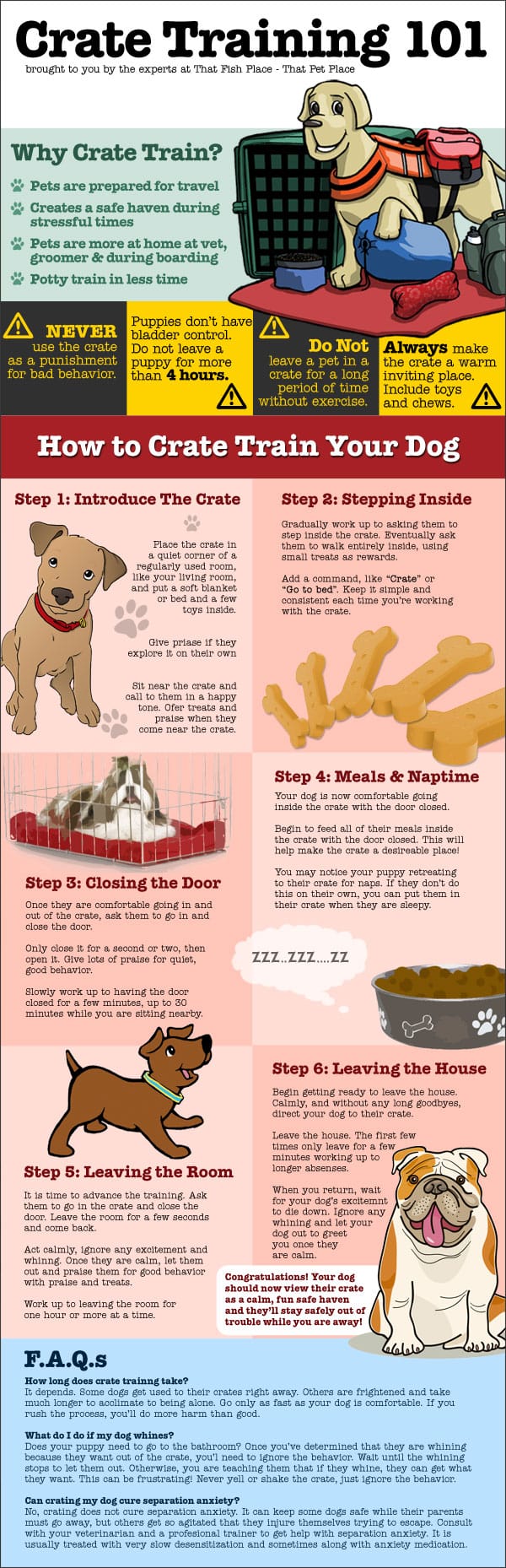
Bringing a new dog into your home is an exciting adventure, filled with wagging tails and endless love. However, it also comes with the responsibility of training, and one of the most crucial aspects is nighttime potty training and ensuring your dog feels secure. Crate training is a highly effective method for achieving both, transforming potentially stressful nights into peaceful ones for you and your canine companion. This guide will walk you through the process of crate training your dog at night, making it a positive and successful experience.
Understanding the “Why” Behind Crate Training for Nighttime
Crate training isn’t about punishment; it’s about providing your dog with a safe, den-like space of their own. Dogs are denning animals by nature, and a crate mimics this instinct, offering a sense of security. For nighttime, a crate helps with potty training by leveraging a dog’s natural aversion to soiling their sleeping area. It also prevents destructive behaviors that can arise from boredom or anxiety when left unsupervised at night. For new puppy owners, understanding how to puppy train your dog is paramount, and the crate is a foundational tool.
Choosing the Right Crate for Your Dog
The first step is selecting an appropriately sized crate. Your dog should be able to stand up, turn around, and lie down comfortably, but it shouldn’t be so large that they can use one end as a bathroom and sleep in the other. Many crates come with dividers, allowing you to adjust the space as your puppy grows. Wire crates offer excellent ventilation and visibility, while plastic or molded crates provide a more den-like feel.
Making the Crate a Positive Space
The key to successful crate training is associating the crate with positive experiences.
Gradual Introduction
- Open Door Policy: Leave the crate door open during the day with a comfy bed and a few toys inside. Let your dog explore it at their own pace.
- Feeding Time: Start feeding your dog their meals inside or near the crate. Gradually move the food bowl further inside until they are comfortable eating entirely within the crate.
- Short Stays: Once your dog is comfortable eating in the crate, begin closing the door for short periods while you are still present. Start with just a few minutes and gradually increase the duration. Offer a special treat or a favorite chew toy to make the experience rewarding.
Transitioning to Nighttime Crate Training
Once your dog is relaxed and happy spending time in the crate during the day, you can begin transitioning to nighttime use. This is where how to crate train a dog for potty training becomes critical.
Establishing a Routine
A consistent routine is essential for house training a dog and successful nighttime crate training.
- Pre-Bedtime Potty Break: Take your dog out for a potty break right before you put them in the crate for the night. Use a consistent command word like “go potty.”
- Crate Placement: Initially, place the crate in your bedroom. This allows your dog to hear and smell you, which can be reassuring and help them settle faster. As they become more confident, you can gradually move the crate to a more permanent location.
- Last Meal and Water: Limit food and water intake a couple of hours before bedtime to minimize the need for nighttime bathroom breaks.
- Comfort Items: Ensure the crate is comfortable with a soft bed and perhaps a safe chew toy. Some dogs benefit from having an item with your scent on it.
Addressing Common Nighttime Challenges
It’s normal for dogs, especially puppies, to whine or cry when first introduced to crate training at night.
Whining and Crying
- Assess the Need: Is it a genuine need to go to the bathroom, or is it attention-seeking? If it’s been less than 4-5 hours since their last potty break (adjust based on age and breed), it’s likely a need.
- Respond Appropriately: If it’s a potty need, calmly take your dog outside for a quick break, using your command word. Avoid excessive praise or playtime, as this can reinforce the idea that whining leads to interaction. Then, put them straight back into the crate.
- Ignore for Attention: If you are certain it’s not a potty need and your dog has been in the crate for an adequate amount of time, try to ignore the whining. Giving in to attention-seeking whining will teach your dog that this behavior works. This is often the hardest part, but consistency is key.
Accidents in the Crate
Accidents happen, especially with puppies. If an accident occurs:
- Clean Thoroughly: Use an enzymatic cleaner specifically designed for pet messes to eliminate odors completely. Otherwise, your dog may be drawn back to the same spot.
- Re-evaluate Crate Size: If accidents are frequent, the crate might be too large. Use a divider to reduce the space.
- Adjust Schedule: You may need to shorten the time between potty breaks, especially if your dog is very young or experiencing a regression. Consider crate training dog at night with more frequent intervals initially.
How to Crate Train an Older Dog at Night
While it’s often easier to crate train a puppy, older dogs can also be successfully trained. They may have established habits that need to be unlearned, and some may have a history of negative experiences with crates.
- Patience is Key: Older dogs may take longer to adjust. Be patient and go at their pace.
- Positive Reinforcement: Focus heavily on positive reinforcement. Use high-value treats and praise to build positive associations.
- Rule Out Medical Issues: If an older dog is suddenly having accidents or displaying anxiety, consult your veterinarian to rule out any underlying medical conditions.
- Gradual Progression: Similar to puppies, start with short periods and gradually increase the duration.
The Benefits Extend Beyond Potty Training
Successfully crate training your dog at night offers numerous advantages:
- Enhanced Security: Your dog has a safe haven, reducing anxiety and fear.
- Preventing Destructive Behavior: Keeps your dog from chewing furniture or getting into trouble while you sleep.
- Travel Companion: A crate-trained dog is more comfortable traveling in a crate.
- Management Tool: Useful during recovery from injury or illness, or when introducing a new pet.
Embracing crate training as part of your dog’s overall care plan is an investment in their well-being and your peace of mind. With consistency, patience, and positive reinforcement, you can help your dog feel secure and comfortable in their crate, leading to restful nights for everyone.
