
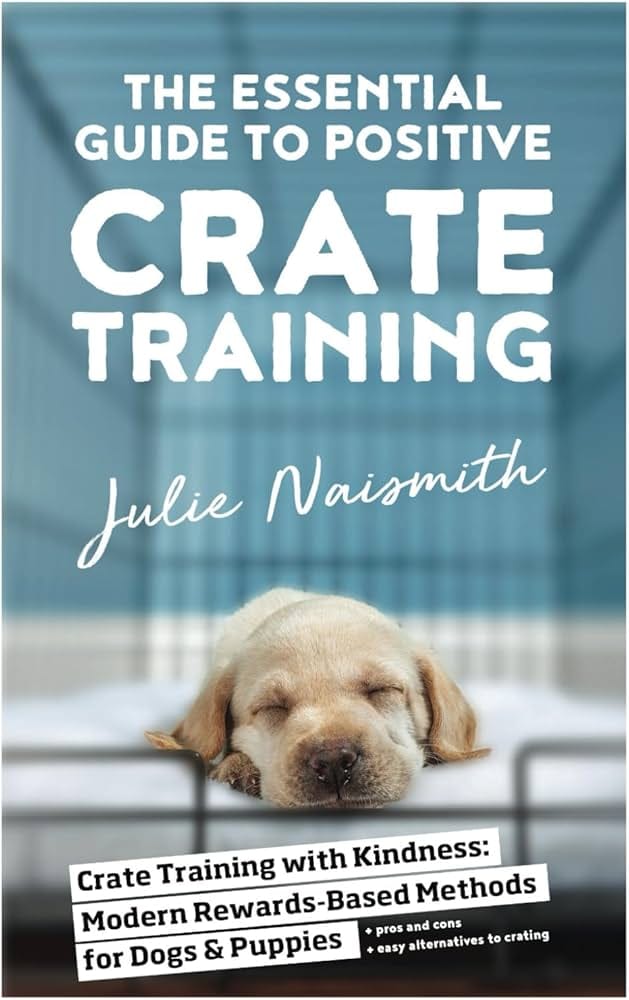
Welcome to the world of dog ownership, a journey filled with wagging tails, sloppy kisses, and the occasional chewed slipper. But beneath the adorable chaos lies a fundamental aspect of responsible pet parenting: crate training. It’s not about punishment; it’s about providing your furry friend with a safe haven, a den of their own that fosters security and aids in training. Whether you’re bringing home a rambunctious puppy or adopting a mature dog, understanding the nuances of crate training your dog is paramount. This comprehensive guide will walk you through every step, from choosing the right crate to conquering common challenges, ensuring your dog sees their crate as a place of comfort, not confinement.
Why Crate Training is Essential for Your Dog’s Well-being
At its core, crate training taps into a dog’s natural instinct to seek a den-like space for safety and rest. Think of it as their personal sanctuary. This safe space offers numerous benefits that extend far beyond simple containment. For puppies, it’s an invaluable tool for house training, preventing accidents and teaching them to hold their bladder. For adult dogs, especially those adjusting to a new home, a crate can alleviate separation anxiety, providing a predictable and secure environment when you’re away. It also plays a crucial role in preventing destructive behaviors that often stem from boredom or stress. By offering a designated spot, you’re not just managing your dog’s behavior; you’re actively contributing to their mental and emotional health. Understanding the basics of crate training a puppy early on can set the foundation for a lifetime of good habits.
Choosing the Right Crate: A Foundation for Success
The market offers a variety of crates, each with its pros and cons. Wire crates, often the most popular choice, provide excellent ventilation and visibility, allowing your dog to see their surroundings while feeling enclosed. They are also highly customizable with dividers, making them suitable for growing puppies. Plastic crates, on the other hand, offer a more den-like feel, which can be particularly comforting for anxious dogs. They are lightweight and easy to clean, making them a practical option. Metal crates are sturdy and durable, often favored for larger or more energetic breeds.
Regardless of the material, size is perhaps the most critical factor. Your dog should be able to stand up, turn around, and lie down comfortably within the crate. Too small, and it’s uncomfortable; too large, and they might be tempted to use one end as a bathroom. Consider a crate with a divider if you’re training a puppy, allowing you to adjust the space as they grow. This ensures the crate remains appropriately sized throughout their development.
Introducing Your Dog to the Crate: Making it a Positive Experience
The key to successful crate training lies in positive association. The crate should never be used as a punishment. Instead, introduce it gradually and associate it with pleasant experiences.
Step-by-Step Introduction:
- Initial Exposure: Leave the crate door open in a common area. Toss a few high-value treats or a favorite toy inside, allowing your dog to explore it at their own pace. Resist the urge to force them in.
- Mealtime Association: Start feeding your dog their meals inside the crate with the door open. Gradually, you can close the door for short periods while they eat, increasing the duration as they become more comfortable.
- Short Durations: Once your dog is comfortable eating in the crate, start leaving them inside for short intervals, perhaps while you’re home but in another room. Gradually increase the time.
- Overnight Stays: When your dog is consistently relaxed during daytime naps, you can try overnight stays. Ensure the crate is in your bedroom initially so they feel connected to you.
Remember, patience is crucial. Some dogs take to crates immediately, while others may require weeks of consistent, positive reinforcement. If your dog shows signs of distress, such as excessive barking or destructive behavior, you may need to backtrack and shorten the duration or increase the positive reinforcement. For specific challenges, resources on dog crate training 101 can offer tailored strategies.
Mastering Crate Training for Puppies: Early Habits for Lifelong Benefits
Puppies are bundles of energy and curiosity, and the crate serves as an invaluable tool in guiding their early development. House training is often the primary goal, and the crate significantly aids in this process. Puppies naturally avoid soiling their sleeping area, so by confining them to the crate when unsupervised, you minimize the chances of accidents in the house.
Key Considerations for Puppies:
- Potty Breaks: Puppies have small bladders. Frequent trips outside, especially after waking up, after meals, and before bedtime, are essential. Take them directly from the crate to their designated potty spot.
- Playtime: Integrate crate time with playtime. A tired puppy is more likely to settle in their crate.
- Chewing Instincts: Puppies explore the world with their mouths. Ensure safe chew toys are available in the crate, but always supervise initial introductions to prevent them from ingesting something harmful. Resources on basics of crate training a puppy can provide more in-depth guidance.
Advanced Crate Training: Addressing Specific Needs
Crate Training for Separation Anxiety
Separation anxiety is a common issue where dogs experience distress when left alone. Crate training can be a powerful tool, but it must be approached with extra care. The goal is to make the crate a place of extreme comfort and security, so the dog associates it with positive feelings, not abandonment.
- Desensitization: Gradually acclimate your dog to your departure cues (picking up keys, putting on shoes) without actually leaving.
- Short Departures: Start with very short absences, returning before your dog becomes anxious.
- Positive Reinforcement: Reward calm behavior in the crate, both when you are home and when you return.
- Never Use as Punishment: This is critical. Punishing a dog with separation anxiety by forcing them into a crate will only exacerbate their fear. Exploring options for dog crate training for separation anxiety is vital for success.
Crate Training for Older Dogs
Older dogs, particularly rescues, may have no prior positive experience with crates. Their training requires patience and understanding, focusing on their unique needs and potential past traumas.
- Gentle Introduction: Avoid any forceful methods. Make the crate inviting with soft bedding and familiar scents.
- Comfort is Key: Ensure the crate is easily accessible and comfortable for older joints.
- Patience and Consistency: Older dogs may take longer to adjust. Celebrate small victories and maintain a consistent routine. For guidance on adapting techniques, crate training for older dogs offers valuable insights.
Common Crate Training Challenges and Solutions
While crate training is highly effective, challenges can arise. Here are some common issues and how to address them:
- Excessive Barking or Whining: This often indicates the dog is not yet comfortable or needs to go potty. Ensure the crate is the right size, introduce it positively, and gradually increase durations. Rule out medical issues or basic needs first.
- Destructive Behavior Inside the Crate: This could be due to boredom, anxiety, or the dog trying to escape. Remove anything that could be ingested. Ensure adequate exercise and mental stimulation before crate time. If anxiety is suspected, consult resources for dog crate training for separation anxiety.
- Refusal to Enter the Crate: Go back to basics. Make the crate incredibly appealing with treats, toys, and praise. Never force the dog inside. Break down the process into smaller, more manageable steps.
Integrating Crate Training with Other Training Methods
Crate training is not a standalone solution; it complements other training efforts. It supports house training, reduces destructive behaviors, and aids in managing anxiety, all of which are foundational for advanced training like dog crate training 101. When your dog is calm and secure in their crate, they are more receptive to learning commands and understanding boundaries.
Frequently Asked Questions About Crate Training
Q1: How long should my dog be in the crate?
A: For puppies, the general rule is their age in months plus one, in hours (e.g., a 3-month-old puppy can typically stay for 4 hours). Adult dogs can generally stay for up to 8 hours, but it’s best to provide breaks and opportunities for potty and exercise. Avoid leaving any dog crated for extended periods without supervision.
Q2: My dog cries when I leave them in the crate. What should I do?
A: Ensure the crate is a positive space. Rule out basic needs (potty, hunger, thirst). Gradually increase duration, starting with very short periods. Avoid responding to every cry, as this can reinforce the behavior. If persistent, consider if your dog is ready for that duration or if anxiety is a factor.
Q3: Can I leave my dog in the crate overnight?
A: Yes, many dogs do well sleeping in their crates overnight, especially if introduced positively. Placing the crate in your bedroom initially can provide comfort.
Q4: What should I put inside the crate?
A: A comfortable, washable bed or blanket is essential. Include safe chew toys to keep them occupied and prevent boredom. Avoid toys that can be easily destroyed and ingested.
Q5: My dog seems scared of the crate. How can I help?
A: Go back to positive introductions. Leave the door open, toss treats inside, and never force them. Associate the crate with good things like meals and praise. Patience is key.
Conclusion: A Safe Space for a Happier Dog
Crate training is a powerful tool that, when implemented with patience and positive reinforcement, can significantly enhance your dog’s life and your relationship with them. It provides a sense of security, aids in training, and prevents behavioral issues. By understanding your dog’s needs and following these guidelines, you can transform the crate into a beloved den, a sanctuary where your dog can rest, feel safe, and dream of their next adventure. Embrace the journey of crate training your dog, and you’ll be rewarded with a well-adjusted, happy companion.
