
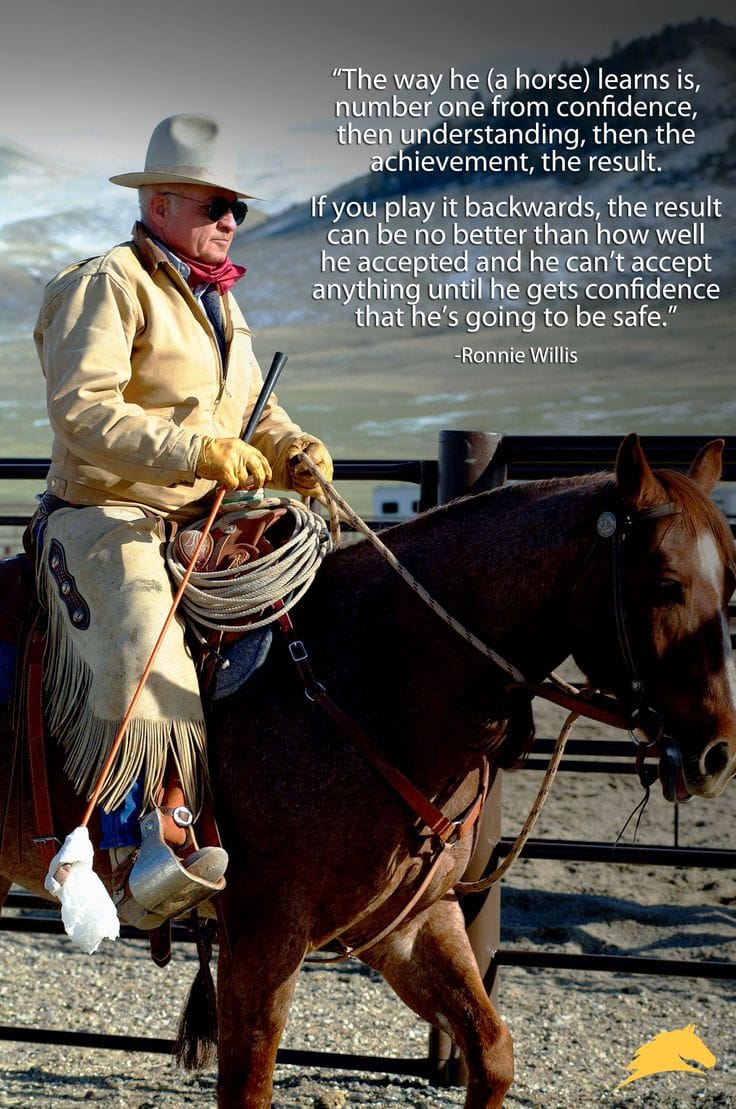
Embarking on a journey to master horse training is a rewarding endeavor, and understanding the nuances of effective techniques is paramount. When we talk about horse training, especially in the context of natural horsemanship, the name Craig Cameron often surfaces as a significant influence. His approach, deeply rooted in understanding equine behavior and fostering a strong partnership between horse and rider, has shaped how many approach training. This article delves into the world of horse training, with a particular focus on the philosophies and methods championed by Craig Cameron, aiming to equip you with the knowledge to build a more harmonious and successful relationship with your equine partner.
The Craig Cameron Philosophy: Partnership Through Understanding
Craig Cameron’s training philosophy is built upon the foundation of mutual respect and understanding between horse and human. Unlike traditional methods that might rely heavily on force or intimidation, Cameron emphasizes working with the horse’s natural instincts and communication methods. His approach is often described as “natural horsemanship,” a term that signifies a move towards more intuitive and less confrontational training techniques.
At its core, Cameron’s method is about clear communication. He believes that horses are constantly communicating with us through their body language, and it’s our responsibility as trainers to learn to “listen” and respond appropriately. This involves understanding their herd dynamics, their flight response, and their desire for a confident leader. By establishing oneself as that calm, consistent, and fair leader, trainers can build trust and encourage the horse to willingly participate in the training process.
Key Principles in Craig Cameron’s Training
Several key principles underpin Craig Cameron’s approach to horse training:
- Respect: This is the cornerstone. It involves respecting the horse as an individual with its own feelings, fears, and motivations. It’s about earning their trust, not demanding it.
- Consistency: Horses thrive on routine and predictability. Cameron’s methods stress the importance of consistent cues, responses, and expectations. This helps the horse understand what is being asked of them and reduces anxiety.
- Timing: The ability to apply pressure and release at the precise moment is crucial. This teaches the horse cause and effect, allowing them to learn quickly what is desired and what is not.
- Patience: Training takes time, and setbacks are part of the process. Cameron advocates for a patient approach, understanding that each horse learns at its own pace. Rushing the process can lead to frustration for both horse and rider.
- Clear Communication: Using a language the horse understands – primarily through body language, feel, and consistent pressure/release – is vital. This often involves using the rope, the stick, and the reins as extensions of the trainer’s will, but always with the goal of clear communication, not coercion.
Essential Tools and Techniques in Natural Horsemanship
While the philosophy is key, the practical application involves specific tools and techniques that are central to natural horsemanship, as taught by instructors like Craig Cameron. These tools are not about force, but about facilitating clear communication.
The Rope Halter and Lead Rope
The rope halter is a fundamental tool, designed to apply pressure directly to the horse’s face in a way that mimics natural herd pressure. When used correctly, with gentle and timely release, it can be incredibly effective in guiding the horse’s head and body. The lead rope becomes an extension of the trainer’s arm, allowing for subtle cues and directional guidance. It’s about asking the horse to move away from pressure, a natural instinct that, when understood and applied correctly, forms the basis for many training exercises.
The Training Stick and String
The training stick, often used with a long string or “popper,” serves as an extension of the trainer’s arm, allowing them to create a larger “personal space” around the horse. This is particularly useful for encouraging the horse to move forward, move away from the handler, or to practice yielding from a safe distance. The string, when snapped, creates a sound that can mimic a herd vocalization or simply get the horse’s attention. The key is to use the stick and string to communicate, not to punish. The goal is to ask the horse to move, and to release the pressure (both physical and auditory) as soon as they respond correctly. This is a core element you might see in rfd tv horse training segments.
Understanding Pressure and Release
The concept of pressure and release is central to natural horsemanship. Pressure is applied to get the horse’s attention and ask for a specific response. The instant the horse offers the correct response, the pressure is immediately released. This release is the reward; it’s the communication that says, “Yes, that’s what I wanted.” This immediate positive reinforcement is far more effective than delayed rewards or punishment. It teaches the horse to seek the release by offering the correct behavior.
Groundwork: The Foundation of a Strong Partnership
Before a rider even considers mounting, a solid foundation of groundwork is essential. This is where the horse learns to trust the handler, understand basic cues, and respond willingly to direction. Craig Cameron places immense importance on groundwork as the bedrock of all successful horse training.
Desensitization and Softness Exercises
Part of groundwork involves desensitizing the horse to various objects, sounds, and sensations they might encounter. This can include flapping a saddle pad, dangling a rope near them, or introducing them to the feel of reins. The goal is to create a horse that is calm and unafraid, rather than reactive. Softness exercises, such as yielding to pressure on the halter, moving their feet in specific directions, and flexing their neck, are also crucial. These exercises build suppleness and responsiveness, making the horse more amenable to ridden work later on.
Leading and Respecting Personal Space
Proper leading is more than just walking beside the horse. It involves establishing leadership, where the horse walks behind or beside the handler at a respectful distance, yielding to the handler’s direction. This teaches the horse to pay attention to the handler and to move when asked. It’s about establishing boundaries and ensuring the horse respects the human’s space, which is vital for safety and effective communication.
Ridden Work: Applying Groundwork Principles
Once a horse is responsive and respectful from the ground, ridden work can begin. The principles learned during groundwork are directly translated to the saddle. The rider’s body language, the feel of the reins, and the use of leg cues all become extensions of the groundwork techniques.
Developing a Soft Feel and Responsive Mouth
In the saddle, the rider works on developing a “soft feel” through the reins. This means maintaining a light, consistent contact that allows the horse to feel the rider’s intentions without being constantly pulled or corrected. The goal is a horse that responds to the slightest cue, understanding the rider’s desire to turn, stop, or change gait through subtle shifts in weight, leg pressure, and rein contact. This is a hallmark of advanced training and is a direct result of patient, consistent work.
Incorporating Advanced Techniques and Disciplines
As the horse and rider progress, they can begin to incorporate more advanced techniques and disciplines. This might include preparing for specific riding disciplines like reining, trail riding, or even more specialized areas. The beauty of natural horsemanship is that the foundational principles are applicable across various equestrian pursuits. Whether you’re aiming for the show ring or simply want a reliable trail companion, the emphasis on partnership and clear communication remains the same. For those interested in specific styles, resources like craig cameron horse training videos offer visual guides to these methods.
Overcoming Common Challenges in Horse Training
No horse training journey is without its challenges. Understanding common issues and how to address them with a natural horsemanship approach is key to sustained progress.
Fear and Reactivity
Horses are prey animals, and fear is a natural response. When a horse becomes fearful or reactive, it’s essential to remain calm and consistent. Instead of forcing the horse through their fear, the goal is to help them overcome it by gradually introducing them to the frightening stimulus in a controlled manner, always allowing them to retreat if needed, and rewarding any sign of bravery or calm. Building trust is the antidote to ingrained fear.
Lack of Responsiveness or “Hardness”
Sometimes, a horse may seem unresponsive or “hard” to cues. This can be due to a number of factors: the horse hasn’t truly understood the cue, the cue is inconsistent, or the horse has learned to tune out the rider. Re-evaluating the clarity and timing of your cues, ensuring consistent pressure and release, and sometimes going back to more fundamental groundwork exercises can help re-establish responsiveness.
The Importance of Continued Learning
Horse training is a continuous learning process. Even experienced trainers recognize that there’s always more to learn and refine. Attending clinics, watching experienced trainers, and consistently seeking to improve one’s understanding of equine behavior are vital for long-term success. The journey of building a partnership with a horse is ongoing, and embracing that process with dedication and a willingness to learn is what makes it so fulfilling.
Conclusion: Building a Lasting Equine Partnership
Mastering horse training is a lifelong pursuit that rewards patience, consistency, and a deep understanding of equine nature. The methods championed by Craig Cameron and natural horsemanship offer a profound way to build a partnership based on trust, respect, and clear communication. By focusing on groundwork, understanding the principles of pressure and release, and always striving to communicate effectively, you can unlock the full potential of your relationship with your horse. The journey is as important as the destination, and with the right approach, you can create a bond that is both rewarding and enduring.
