
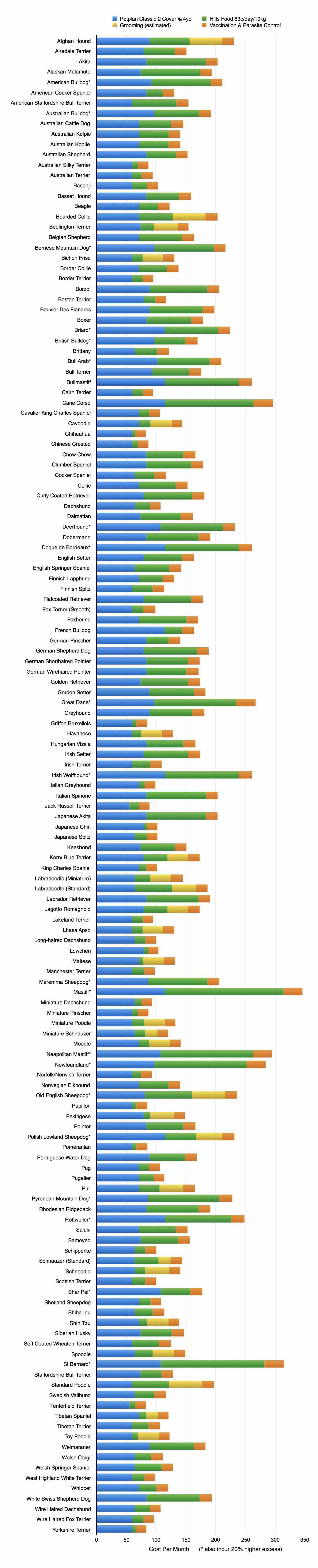
Bringing a dog into your life is an incredibly rewarding experience, but it’s also a significant financial commitment. Many prospective owners underestimate the expenses involved, focusing only on the basics like food and a few toys. However, the reality of dog ownership, as discovered by one owner over two months, reveals a much higher cost, with Australians spending an average of $3,200 annually on their canine companions.
Initial Outlays: Overcoming the Upfront Costs
The initial phase of dog ownership is often marked by substantial upfront expenses that don’t necessarily reflect ongoing costs. For a new puppy, these can include adoption fees, initial veterinary care, and essential supplies.
Adopting a nine-week-old Staffy puppy named Ruby from a rescue organization cost $800. This fee conveniently covered crucial services such as desexing, microchipping, her first vaccination, and initial worm and flea treatments. Sarah Zito, a senior scientific officer at RSPCA Australia, notes that this is a reasonable price, especially considering that purchasing from a breeder can significantly increase the cost, with some breeds exceeding $10,000. Adopting from shelters or pounds generally presents a different financial picture compared to buying from breeders.
If these services aren’t included in the initial adoption or purchase price, owners can expect to pay additional fees. Vaccinations typically range from $170 to $250, microchipping costs between $60 and $80, and desexing can run into several hundred dollars. Regular flea and worm treatments are also a recurring necessity, costing between $120 and $300 annually.
Beyond essential medical care, a significant portion of the upfront budget goes towards equipping your home for a new pet. This includes purchasing a comfortable bed ($90), blankets ($30), and a selection of toys ($30). As the puppy settles in, the list of necessities expands to include a crate for training ($32) with a comfortable mat ($9), an outdoor bed ($20), and multiple water bowls ($30). Additional purchases like initial food supplies ($29), treats ($25), a collar, harness, and lead set ($85), and cleaning products for accidents ($19) quickly add to the total. For those seeking to manage costs, becoming a member of a local pet supply store can offer savings.
Medical Expenses: Preparing for the Unexpected
Veterinary care can represent one of the most substantial and unpredictable costs of dog ownership. Many owners are unprepared for significant healthcare expenses, particularly when acquiring a young, seemingly healthy animal. However, unexpected illnesses and injuries are common, necessitating prompt and often costly veterinary intervention.
A stark reminder of this came when Ruby ingested a clove of garlic on her fifth day at home. An emergency vet visit to induce vomiting incurred a cost of $205. Shortly after, a hip issue was identified, requiring an X-ray under sedation ($650). The subsequent diagnosis of hip dysplasia led to a minor surgery ($1,460) to manage the condition. During this period, Ruby also underwent routine check-ups and her second round of vaccinations. While a vet membership program covered some of these costs, the annual fee of $455 still contributed to the overall medical expenses.
Cristy Secombe, head of veterinary and public affairs at the Australian Veterinary Association, strongly recommends considering pet insurance, especially for owners with limited financial flexibility or those with breeds predisposed to serious health issues. Pet insurance can act as a financial safety net, providing peace of mind and ensuring that necessary treatments are accessible. The cost of premiums can vary significantly, ranging from $200 to $4,000 annually, and it’s crucial to understand policy limits and exclusions. Dr. Zito advises obtaining pet insurance as early as possible, as pre-existing conditions diagnosed before coverage begins will not be covered for the pet’s lifetime. This was a lesson learned with Ruby’s hip condition, which was diagnosed before any potential insurance policy could have been effective.
Ongoing Expenditures: The Recurring Needs of Your Canine Companion
Beyond the initial setup and unexpected medical events, dog ownership involves a consistent stream of recurring costs. These include regular purchases of food and treats, as well as annual registration fees.
Ruby’s monthly food expenses amount to approximately $59, totaling $118 within the first two months. Treats added another $32 to the recurring budget. Local council registration, while free for the first year, incurs an annual fee of $62 thereafter.
The two-month period also saw the need to replace items that succumbed to puppy exuberance. A new crate mat was required ($30) after the original was destroyed, and several inferior feeding toys ($40) were rendered unusable. Additional cleaning products ($19) were necessary to address lingering “pee problems.”
The list of recurring purchases also included puppy shampoo ($23), a toothbrush and toothpaste set ($31), more toys ($50), and a repellent spray ($29) to deter chewing on furniture. A bandana ($10) was also purchased, purely for aesthetic reasons.
Some breeds necessitate regular professional grooming and clipping, adding to these ongoing costs. Furthermore, expenses related to puppy socialization classes, behavioral training, and doggy daycare or walking services can arise, particularly if owners are not working from home. Pet sitting or boarding fees when traveling are also significant considerations. Affordable pet sitting options can be explored to manage these costs.
The Comprehensive Financial Picture: A Two-Month Snapshot
In just two months, the total expenditure on Ruby reached an astounding $4,001. While a significant portion of this total was attributed to her unexpected hip surgery, it represents a genuine cost of responsible pet ownership.
For those contemplating dog ownership, it’s essential to budget realistically. Dr. Secombe suggests allocating at least $3,000 for the initial six to twelve months of ongoing costs, in addition to the initial purchase price of the pet. Dr. Zito recommends a buffer of $5,000 for the first year. For individuals on a tighter budget, prioritizing preventative healthcare—such as regular check-ups, vaccinations, parasite control, and dental care—along with quality dog food, is more crucial than extravagant toys or treats. Ultimately, a dog values your time and attention far more than material possessions. While upfront and ongoing costs can be substantial, the joy and companionship a dog brings are immeasurable. Consider services like in home overnight dog sitting or paws pet sitting when planning travel. It’s also worth noting that opportunities for dog walking jobs near me for 11 year olds or finding an overnight pet sitter near me exist for those looking to earn income related to pet care.
