
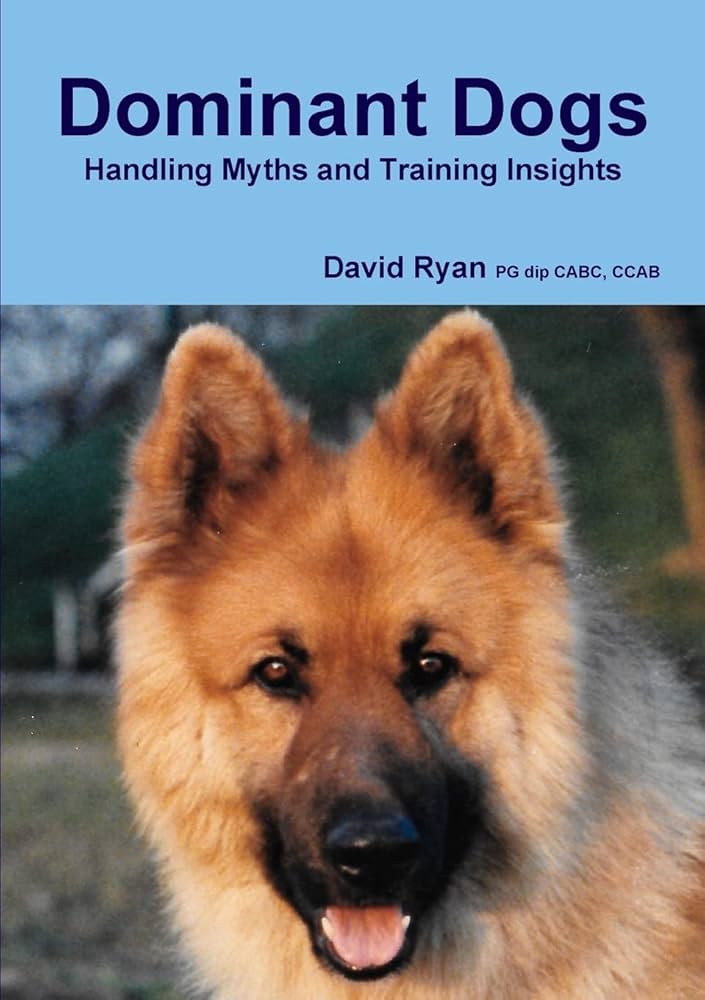
The internet is awash with advice on dog training, but not all of it is accurate or safe. This article aims to provide a clear understanding of dog dominance, common owner mistakes, and effective strategies for managing challenging behaviors. With extensive experience in breeding, training, and handling working dogs, the author offers insights grounded in practical application and a deep understanding of canine social structures.
Dogs are inherently social animals, thriving within a hierarchical structure. This innate pack instinct means every social group, including a dog’s family, has a pecking order. Lower-ranking members naturally defer to those higher in the hierarchy. When a clear leader isn’t established, one member will naturally step up. This rank is communicated through subtle behaviors, and leaders set rules with consequences for infractions. Dog owners must embrace the role of leader, establishing clear rules and enforcing them consistently. Inconsistency is a primary driver of behavioral issues, as dogs learn to pick and choose when to obey.
The Evolution of Handler Mistakes
Many well-intentioned pet owners believe obedience classes alone will suffice. However, these classes often focus narrowly on commands like “sit” and “stay,” neglecting crucial lessons in politeness around strangers, appropriate interactions with children, and respecting household rules. Owners need to understand the importance of consistency and varied consequences for rule-breaking.
Growling: A Warning, Not Necessarily a Malice
A dog growling at its owner over food, a favorite spot, or a toy can indicate a lack of respect for the owner’s social standing or past mistreatment. Instead of viewing growling as inherently bad, it should be seen as a vital warning signal. Dogs that don’t growl may bite with minimal warning, making a growling dog preferable in many cases. Addressing the root cause – whether it’s resource guarding or territoriality – is key. Solutions often involve environmental management, such as feeding a dog in a crate or preventing access to certain areas, rather than direct confrontation.
When Dominance or Dog Aggression Manifests
While true dominant handler aggression is rare in puppies under 10 months, it typically emerges as a dog matures, between 15 and 36 months old. This is when hormonal changes can drive a dog to assert its rank, especially if training has been inconsistent or rank-related behaviors have been permitted.
Puppy Playfulness vs. Dominance
New owners often mistake a puppy’s natural play and prey drive for dominance. Chewing on hands or pant legs, even with growls, is typical puppy behavior learned from littermates. It is the owner’s responsibility to redirect this behavior using toys or treats and to teach human rules. Failure to manage this drive can lead to owners mistakenly believing they have a dominant puppy when, in reality, the drive has simply not been managed correctly.
Obedience Training: A Piece of the Puzzle
While obedience training is essential, it’s often insufficient for truly dominant dogs. Reward-based training can be effective and non-confrontational, using the absence of a reward as a consequence. However, for dominant dogs, a correction phase is also necessary. Many large pet store classes omit this crucial step, inadvertently contributing to dominance problems.
When a Dog Refuses to Obey
A dog that doesn’t mind is effectively stating a lack of respect for the handler and the consequences of past disobedience. Consistent corrections, at a level the dog remembers, are vital. Inconsistent handlers empower dogs to ignore commands they dislike, potentially leading to nipping, growling, or even aggression. This often escalates around 12 to 18 months as hormones influence their drive to establish rank.
Controlling Your Dog’s Environment
For dominant dogs, managing their environment is crucial. This includes controlling where they sleep, eat, and play. The pack leader’s sleeping space, typically the bedroom, should be off-limits to a dominant dog, with a crate being the preferred sleeping arrangement. Furniture access should be on invitation only, and dogs must be taught to yield on command.
Toys: Yours to Share
The attitude should be that all toys belong to the owner, and the dog is permitted to play with them. While some believe tug games create dominance issues, when played correctly, they are a valuable training tool that establishes a reward system. The key is teaching the dog that toys are owned by the human and are put away after play. For adult dogs exhibiting strong dominance, limiting access to toys altogether might be necessary.
Mealtime Management
Dominant dogs should not be present in the kitchen or dining room during family meals. Feeding them separately, perhaps in a crate, helps reinforce the owner’s leadership. Feeding a dog from the table is strongly discouraged, as it disrupts the natural pack order where the leader eats first.
Food Bowl Aggression
Aggression around the food bowl can be managed by feeding the dog in a secluded crate. Rather than repeatedly taking food away, which can create anxiety and possessiveness, building trust by ensuring fair treatment and requiring a “sit” command before feeding can be more effective. Dogs should have a set time to eat; if they leave food, it’s removed until the next meal.
Interacting with a Dominant Dog
Building a strong bond on the owner’s terms is essential. A dog that aggressively demands attention is displaying dominance. Making the dog lie down or perform a command before offering affection helps establish leadership. Always require a command like “sit” or “down” before petting, reinforcing that attention is earned.
Navigating Doors and Stairs
Traditionally, dogs were taught to wait for their owners at doors and stairs to assert leadership. While the significance of this specific behavior for aggression may be debated, consistency is key. Requiring a “sit” at the door and using a “wait” command on stairs can prevent dangerous rushing and reinforce owner control. Using a long leash or dragline indoors can help manage movement.
Aggression Towards Visitors
Aggression towards visitors is a dominance assertion that must be controlled. Crating the dog or placing it in another room when guests arrive establishes that the owner dictates interactions. True protection dogs are trained to obey specific rules of engagement, not to act independently. Teaching a dog that children are not to be aggressed towards, and that they should maintain distance, is an obedience matter, with children also needing to learn appropriate behavior around dogs.
Aggression Towards Other Dogs
Dominant dogs should not be taken to dog parks. For leash aggression towards other dogs, specific training protocols are necessary, which may involve the use of remote collars.
The Dangers of Alpha Rolls
Alpha rolls, a technique where a dog is forced onto its back to submit, are extremely dangerous and strongly discouraged. Experienced trainers may get away with it due to their skill, but novice owners attempting this can face severe injury.
Pick Your Battles Wisely
When dealing with a dominant dog, it’s crucial to “pick a fight you can win.” Often, subtle body language and voice commands are more effective than direct confrontation, preserving the bond with the dog. Importing tough working dogs often involves a period of aloofness, focusing on control and fair treatment rather than immediate friendship. Engagement work, where the dog is rewarded for seeking interaction, is key. A dog may need to spend significant time in a crate during this process, reinforcing that the owner is the leader. While dominance issues can be managed, they are rarely completely eliminated; consistent handling is vital.
Conclusion
Managing dominant dog behavior requires understanding canine social structures, consistent rule enforcement, and environmental control. Avoiding unnecessary confrontations, thinking through the cause and solution to problems, and establishing clear leadership are paramount. A dog that relinquishes pack order to a fair and consistent leader is ultimately a happier and more well-adjusted companion.
