
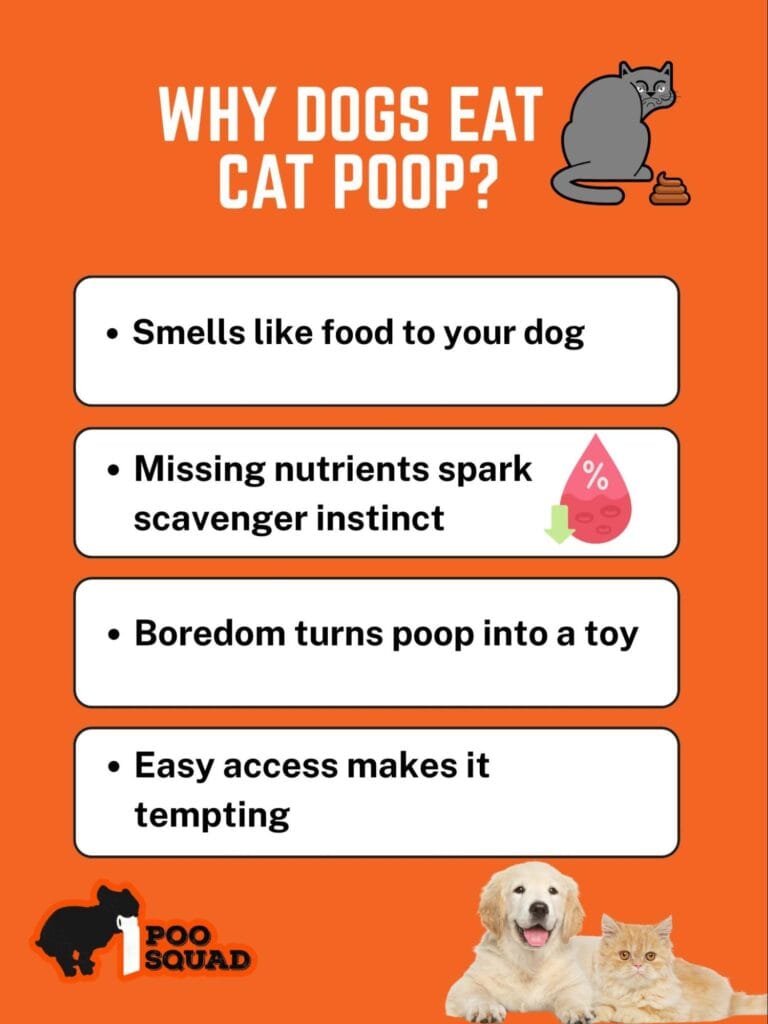
Coprophagia, the act of eating feces, is a behavior that deeply troubles many pet owners. Whether it’s their own pet’s droppings or those of another animal, the practice is often viewed as unacceptable and even disgusting. This article explores the common reasons behind this behavior and provides practical solutions for pet owners.
The Biological Basis of Coprophagia
At certain life stages, consuming feces can be a normal and beneficial instinct. Nursing mothers, especially those with large litters, frequently lick their offspring to keep them clean and stimulate elimination. This is generally not associated with health issues for the mother. Young dogs and cats may also exhibit coprophagia, potentially influenced by their mother’s grooming habits.
Veterinary scientists suggest that this behavior might be an innate drive crucial for the proper development of the gastrointestinal tract. Puppies and kittens are born without gut bacteria, and consuming feces can help them establish a healthy population of intestinal flora. While natural, this behavior can become a challenging habit to break, with some young animals continuing it into adulthood.
Medical Contributors to Coprophagia
Medical conditions can trigger coprophagia even in pets that have never exhibited this behavior before. Poor diet, malnutrition, or insufficient caloric intake can lead a pet to seek nutrients from feces. While nutritional deficiencies are less common with commercially prepared foods formulated to meet general dietary requirements, homemade diets pose a higher risk if not carefully balanced by a veterinary nutritionist.
Intestinal parasites (worms) and issues affecting nutrient absorption and digestion, such as chronic diarrhea or pancreatic problems, are other common medical causes. In some instances, pets may eat feces due to a false sense of hunger, a condition known as polyphagia. Diseases like thyroid issues, Cushing’s disease, and diabetes mellitus can induce polyphagia. Coprophagia can also fall under the broader category of pica, which involves eating non-food items and can be linked to medical problems like liver disease or anemia. Cognitive dysfunction, a form of dementia in older pets, may also lead to this behavior.
A veterinarian can diagnose medical causes through a comprehensive examination, detailed history, and diagnostic tests like blood work and fecal analyses.
Behavioral Triggers for Coprophagia
Behavioral issues are frequently the underlying cause of coprophagia, often more so than medical problems. Even if the behavior started as a normal developmental stage, it can escalate into a habit or compulsive disorder. Some pets may develop a genuine preference for the taste of feces, making the habit particularly difficult to modify.
Common behavioral triggers include anxiety, such as separation anxiety, and stress stemming from changes in routine, like the introduction of a new pet or moving to a new home. Boredom and a lack of sufficient playtime can also contribute, especially in young puppies confined for extended periods during their critical socialization phase. Insufficient social interaction during this period has been linked to future behavioral problems, including coprophagia.
An unexpected behavioral cause involves pets ingesting feces to avoid punishment after eliminating in inappropriate areas. This can arise from accidental soiling due to an upset stomach, which then develops into a coprophagic habit. Older pets with arthritis or cognitive dysfunction might also engage in this behavior if they struggle to reach the outdoors in time. They may consume feces to prevent owner displeasure.
Strategies for Managing Coprophagia
Immediate Cleanup and Behavioral Monitoring
The most effective way to prevent coprophagia is to remove the temptation by promptly cleaning up feces in the yard or litter box. Automatic litter boxes that immediately scoop waste can be beneficial for cat owners. Some owners have tried deterrents like hot sauce on feces, but many pets are unfazed, and it can cause digestive upset.
Constant supervision is key when pets are eliminating. Using a leash and harness when pets are outdoors allows for quick intervention to prevent them from accessing feces. Training cues such as “sit” or “here” can redirect pets away from fecal matter. If housetraining is inconsistent, reinforcing appropriate elimination with positive reinforcement is crucial.
Nutritional Adjustments, Exercise, and Diet
Slowing down a pet’s eating pace with chew toys, slow-release food dispensers, or specially designed bowls may aid digestion and improve stool consistency. Establishing regular feeding times can help predict elimination patterns and facilitate monitoring.
Increasing exercise and play offers mental and physical stimulation, which is particularly helpful for pets experiencing anxiety or boredom-related coprophagia. In some cases, veterinary-prescribed medications for anxiety or compulsive disorders may be beneficial.
If your pet’s current diet is of poor quality, switching to a higher-fiber food might help. If a pet consumes the feces of another animal, a dietary change for the defecating pet may also be considered. Any dietary modifications should be discussed with a veterinarian to ensure safety and appropriateness.
Preventive Measures and Behavioral Aids
Flavor-altering food additives and preventive medications can deter some pets from eating feces. These should be administered to the pet producing the feces. Products like For-bid®, probiotics, charcoal treats (for dogs), canned spinach, and fresh or canned pineapple are anecdotal options that some owners report success with. Pineapple, in particular, is frequently cited, with varying recommendations for fresh versus canned. Some owners have also found success with Adolph’s Meat Tenderizer, though it carries a risk of stomach upset.
For persistent cases, a basket muzzle can be a helpful tool, though pets may still attempt to eat feces while wearing one, and owners must ensure the muzzle does not pose a safety hazard.
Crucially, avoid harsh punishment or scolding when a pet eats feces, as this can exacerbate anxiety and may even reinforce the behavior if it’s done to avoid punishment. Consistently reward your pet when they have the opportunity to eat feces but refrain from doing so.
Potential Consequences of Coprophagia
While not a major medical concern in itself, coprophagia carries risks. Pets may ingest medications present in the feces of other animals, potentially leading to adverse reactions, as has been documented with pain and thyroid medications. There is also an increased risk of infection with bacteria like E. coli or Salmonella, and parasitic infestations. Pet owners also face a slightly elevated risk of zoonotic disease transmission; therefore, avoiding direct contact with a dog’s mouth after they’ve eaten feces and frequent handwashing are important precautions.
Breaking the habit of coprophagia requires patience and a multi-faceted approach. Consulting with your veterinarian for tailored advice and support throughout the process is highly recommended. Do not hesitate to contact your veterinarian with any questions or concerns.
