
Is your feline friend meowing more than usual? While a certain level of vocalization is normal for cats, a sudden increase or persistent meowing can indicate that something needs attention. Cats use their voices to communicate with us, and excessive meowing is often their way of signaling an important message, whether it’s a simple request, a response to stress, or a sign of an underlying medical condition. This article delves into the common reasons behind your cat’s frequent meowing and guides you on when it’s time to seek professional veterinary advice.
What Causes Excessive Meowing in Cats?
Cats meow for a variety of reasons, some straightforward and others more serious. Understanding these causes is the first step in addressing the issue. Common triggers for excessive vocalization include:
- Hunger or a need for attention: Cats are intelligent and learn quickly what behaviors yield rewards, like food or interaction.
- Medical issues or pain: Discomfort from various health problems can lead to increased vocalization.
- Hyperthyroidism or age-related cognitive dysfunction: These conditions, particularly in older cats, can manifest as increased meowing.
- Stress, anxiety, or environmental changes: Disruptions to a cat’s routine or surroundings can cause distress, which they may express vocally.
- Breed tendencies: Some cat breeds are naturally more vocal than others.
If your cat’s meowing seems out of character or is becoming more frequent, it’s advisable to schedule a veterinary exam. Early diagnosis can help rule out health concerns and provide a clear path forward.
Understanding Cat Vocalizations: Decoding Their Sounds
It’s interesting to note that adult cats rarely meow at each other; this form of vocalization is primarily reserved for communicating with humans. The meaning of a meow can vary significantly. Here’s a general guide to understanding different cat sounds:
| Sound | Possible Meaning |
|---|---|
| Short, soft meow | Greeting or a mild request |
| Loud, drawn-out meow | Demanding food, attention, or indicating distress |
| Chirps and trills | Excitement or a conversational tone with humans or pets |
| Yowling or howling | Distress, pain, or a sign of mating behavior (if intact) |
For those interested in deeper insights into feline communication, exploring resources on The Secret Feline Language: 5 Reasons Why Your Cat Purrs can be enlightening.
Common Reasons Cats Meow Excessively
1. Hunger or Attention-Seeking Behavior
Cats are quick to associate specific actions with outcomes. If meowing consistently results in receiving food, play, or affection, they will likely repeat this behavior.
Strategies to help manage this:
- Maintain a consistent schedule for feeding and playtime.
- Avoid reinforcing meowing by responding only when your cat is calm and quiet.
- Utilize puzzle feeders to encourage slower eating and provide mental stimulation.
- Consider using automatic timed feeders to decouple your presence from meal delivery.
2. Medical Conditions
Excessive meowing can indeed be a symptom of illness, and medical causes should always be the first consideration, particularly in older cats or when the behavior is new.
Common medical conditions associated with increased vocalization include:
- Hyperthyroidism: An overactive thyroid gland speeds up metabolism, leading to restlessness and frequent, loud meowing. The AAHA’s Feline Hyperthyroidism Guidelines offer detailed information on this condition.
- Cognitive dysfunction (feline dementia): Older cats may experience disorientation, especially at night, which can result in loud vocalizations. The ASPCA site provides valuable information on behavior changes in senior cats.
- Pain or discomfort: Conditions such as dental disease, arthritis, or urinary tract problems can cause cats to vocalize more than usual.
If your cat’s vocalizations are accompanied by other symptoms like weight loss, pacing, or changes in appetite, it’s crucial to schedule a veterinary exam promptly.
3. Stress or Anxiety
Cats thrive on routine, and any disruption to their environment or daily schedule can trigger stress, with meowing being a common expression of this anxiety.
Potential triggers for stress include:
- Relocating to a new home.
- The introduction of a new baby or pet.
- A dirty or inconveniently located litter box.
- Separation anxiety.
For households with multiple cats, understanding and addressing tension among cats is essential for their well-being.
4. Breed-Specific Behavior
Some cat breeds are inherently more talkative than others.
Vocal breeds often include:
- Siamese
- Bengal
- Oriental Shorthair
These breeds typically have louder and more persistent voices, often requiring additional stimulation and interaction to ensure they remain content.
How to Reduce Excessive Meowing
Meet Your Cat’s Daily Needs Consistently
- Consistency is crucial. Adhere to a regular schedule for feeding, playtime, and periods of rest.
- Environmental enrichment is key. Provide engaging toys, scratching posts, climbing structures, and window perches.
- A calm and clean environment significantly contributes to a cat’s well-being. Ensure litter boxes are cleaned daily and situated in quiet, accessible locations.
- Avoid inadvertently training your cat to meow excessively. If you always respond to demanding meows, your cat will learn that this behavior gets results. Instead, ignore persistent noise and reward quiet behavior.
The Ohio State University Indoor Pet Initiative offers excellent guidance on how to build an enriching indoor environment for your feline companions.
When to Ignore vs. When to Investigate
It’s often appropriate to ignore:
- Persistent meowing for food outside of scheduled mealtimes, provided the cat is not underweight.
- Attention-seeking behavior when all the cat’s fundamental needs have been met.
It’s important to respond to:
- Sudden or unusual changes in vocalization.
- Any signs of illness or distress.
- Noticeable changes in energy levels, appetite, or overall behavior.
Addressing Nighttime Meowing
Nighttime vocalization is a common issue, particularly among senior cats.
Potential solutions include:
- Offering a small, easily digestible snack before bedtime.
- Engaging in interactive play in the evening to help expend energy.
- Considering night lights or calming pheromone diffusers for senior cats experiencing disorientation.
- Consulting your veterinarian about supplements that may help with cognitive dysfunction in cats, as several options are available.
Further insights and solutions can be found in articles like How Can I Fix My Cat’s Behavior Problems?
When to Call the Vet
Consult your veterinarian if your cat exhibits any of the following:
- A sudden or persistent increase in meowing.
- Signs of confusion, restlessness, or disorientation.
- Unexplained weight loss, changes in litter box habits, or increased aggression.
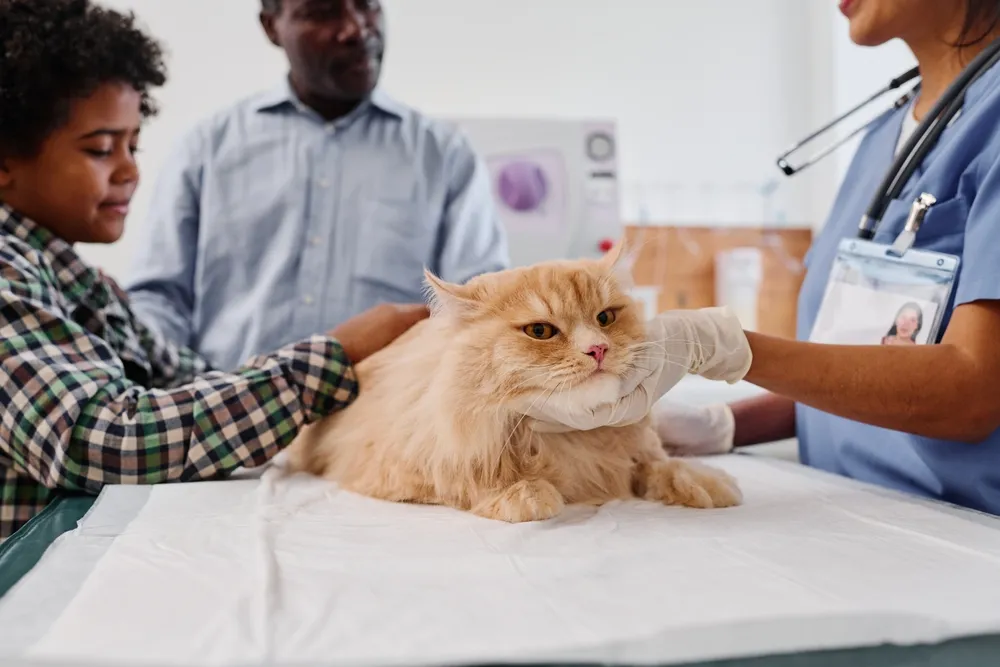
Do not dismiss excessive meowing as just a temporary phase. It is one of the most direct ways your cat can communicate that something is wrong.
To ensure your cat is healthy, happy, and understood, schedule an exam at Carolina Virginia Animal Hospital.
Excessive meowing in cats can stem from a range of issues, from simple hunger to significant health problems. While some level of vocalization is normal, especially in certain breeds, persistent meowing warrants careful attention. By understanding your cat’s behavior and partnering with your veterinarian, you can pinpoint the root cause and effectively support your cat’s comfort and overall well-being.
Concerned about your cat’s meowing? We are here to assist you. Contact Carolina Virginia Animal Hospital today to book an examination or a behavioral consultation.
