
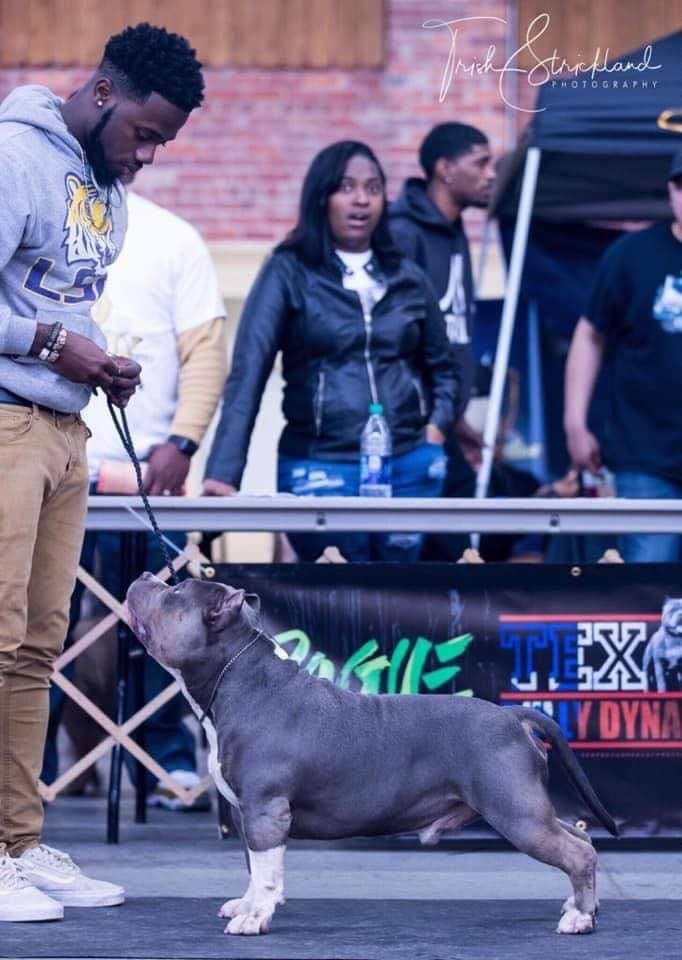
Have you ever watched a prestigious dog show on television and marveled at the flawless poise of the dogs as they glide around the ring? It’s a picture of elegance and perfect partnership. That seamless performance is the result of countless hours of dedicated work, and the journey for almost every show dog begins in Conformation Dog Training Classes. These classes are the essential training ground for any aspiring show dog and its owner, providing the foundational skills needed to compete and shine.
Conformation, in the dog show world, isn’t a beauty pageant. Rather, it is the act of evaluating a dog’s structure and appearance against the official standard for its breed. These classes teach you and your canine partner how to present those qualities to a judge in a formal show environment. Whether you’re a complete beginner with a promising puppy or an experienced enthusiast looking to refine your skills, understanding what these classes offer is your first step toward the champion’s circle. Learning the ropes from experienced trainers is crucial, and you can often find excellent programs by searching for [akc dog training classes near me](https://dogcarestory.com/akc-dog-training-classes-near-me/).
What Exactly Are Conformation Dog Training Classes?
Unlike basic obedience or puppy socialization, conformation classes are highly specialized. Their singular focus is to prepare a dog and its handler for the specific demands of the conformation ring. The goal is to train the dog to showcase its physical attributes—such as its bone structure, coat, movement, and temperament—in the best possible light.
In these classes, you’re not teaching “sit,” “stay,” or “roll over.” Instead, you are conditioning your dog to perform a set of specific actions with confidence and style. This is about building a team that can enter a competitive environment and demonstrate that your dog is a superior example of its breed, worthy of earning championship points and contributing to the breed’s future.
The Core Skills You and Your Dog Will Master
Conformation training revolves around a few key skills that are practiced relentlessly. A great class will break down these components, helping you build a confident and polished performance piece by piece.
The Art of the “Stack”
The “stack” is the signature pose of a show dog. It’s a carefully structured stance where the dog’s legs are positioned perfectly to display its angles, topline, and overall balance. Depending on the breed, this can be a “hand stack,” where the handler physically places the dog’s feet, or a “free stack,” where the dog is baited into the correct position. In class, you’ll learn the proper foot placement for your specific breed and train your dog to hold this position calmly while the judge conducts a hands-on examination.
Perfecting the “Gait”
“Gaiting” is the term for moving the dog around the ring, typically at a trot. The purpose is to allow the judge to evaluate the dog’s movement—its reach, drive, and efficiency. A smooth, ground-covering gait is a hallmark of a well-structured dog. Classes will teach you how to control your dog’s speed to find the perfect pace that highlights its strengths. You will also practice various ring patterns, such as the “down and back” and the “triangle,” which give the judge a view of the dog’s movement from all sides.
Acing the Judge’s Examination
A critical part of any dog show is the judge’s physical examination. Your dog must learn to confidently accept a stranger touching its body, checking its teeth, feeling its structure, and, for males, verifying testicles. Conformation classes simulate this experience in a controlled way, desensitizing the dog and teaching it to stand stoically and without fear during the inspection. A calm demeanor during this process is essential for success.
Understanding Ring Procedure
There’s a distinct flow and etiquette to a dog show. Knowing the proper ring procedure is just as important as your dog’s performance. Instructors will guide you on how to enter the ring, where to stand, how to follow a judge’s instructions, and how to exhibit good sportsmanship. Learning these protocols helps reduce handler anxiety and ensures a smooth, professional performance. Many local organizations, such as the [mt nittany dog training club](https://dogcarestory.com/mt-nittany-dog-training-club/), offer run-throughs that mimic real show conditions.
Finding the Right Class for Your Future Champion
The best way to find conformation classes is by connecting with local breed clubs or all-breed kennel clubs. These organizations are dedicated to the sport and are often staffed by experienced breeders and professional handlers. An ideal instructor is someone who has years of experience in the ring, and many are even licensed judges themselves. They can provide invaluable feedback tailored to you and your dog. Facilities like the [indian river dog training club](https://dogcarestory.com/indian-river-dog-training-club/) are excellent examples of club-based training resources that serve the dog show community.
When you’re looking for a class, seek out an environment that is supportive and encouraging, especially for newcomers. The world of dog shows can seem intimidating at first, but the right class will make it feel accessible and fun. For those aiming for the highest levels of competition, seeking out an intensive program can be like enrolling in a [master class dog training](https://dogcarestory.com/master-class-dog-training/) for the show ring, offering advanced techniques and handling strategies.
What to Expect in Your First Conformation Class
Most conformation classes operate on a “drop-in” basis, allowing you to pay per session. This format is convenient and lets you see handlers and dogs at all levels of experience. When you arrive, you’ll need a few key items:
- A Show Lead: This is typically a thin leash and collar combination designed to be unobtrusive.
- Bait: Small, high-value treats that your dog loves, used to keep their attention and reward them.
- A Positive Attitude: Training should be fun for both you and your dog.
The class will likely involve practicing stacking on tables or on the ground, gaiting in patterns around the room, and having the instructor (acting as a judge) examine your dog. Don’t be shy about asking questions—everyone in that room was a beginner once.
The Benefits Beyond the Blue Ribbon
While the ultimate goal might be a championship title, the advantages of attending conformation dog training classes extend far beyond winning ribbons. The focused training builds an incredibly strong bond between you and your dog. You learn to communicate with subtle cues, and your dog learns to trust you implicitly in a new and stimulating environment.
These classes also provide excellent socialization, teaching your dog to remain calm and focused around other dogs and people. The confidence your dog gains will translate to all areas of its life. Above all, participating in [dog conformation training classes](https://dogcarestory.com/dog-conformation-training-classes/) opens the door to a vibrant community of people who are just as passionate about dogs as you are. It’s a rewarding hobby that celebrates the history, beauty, and function of our beloved canine companions.
Frequently Asked Questions (FAQ)
1. Can any dog join a conformation class?
Generally, conformation is for purebred dogs that are registered with a kennel club like the AKC and are not spayed or neutered, as the ultimate purpose of conformation is to evaluate breeding stock.
2. At what age can my puppy start conformation training?
Puppies can start as early as 3-4 months old. Starting early helps with socialization and gets them accustomed to the sights, sounds, and procedures of a show environment from a young age.
3. What kind of equipment do I need?
At a minimum, you will need a show lead (also called a “slip lead” or “show set”) and some high-value treats for bait. The type of lead may vary slightly by breed, so it’s a good idea to ask the instructor for a recommendation.
4. Is the atmosphere in these classes very competitive?
While the sport itself is competitive, training classes are typically very supportive. Most handlers are happy to help newcomers, share tips, and celebrate each other’s progress. It’s a place for learning and practice.
5. Do I have to be a professional handler to show my dog?
Absolutely not! Many people showing their dogs are owner-handlers. Conformation classes are specifically designed to empower owners with the skills and confidence they need to compete successfully on their own.
Your Journey to the Ring Starts Now
Stepping into the world of dog shows is an exciting adventure that deepens the connection you share with your dog. Through the focused work of stacking, gaiting, and presentation, you’ll discover a new level of teamwork and pride. Conformation dog training classes provide the roadmap for this journey, guiding you from a curious novice to a confident team in the ring. The pursuit is not just about the ribbons won, but about the partnership built and the celebration of your remarkable dog.
